


July breaks heat record in US: Protection guide and alerts
July 2026 was the hottest month recorded in the 48 contiguous United States, with an average temperature of 76.9 °F according to the National Oceanic and Atmospheric…


July 2026 was the hottest month recorded in the 48 contiguous United States. This was reported by the National Oceanic and Atmospheric Administration (NOAA) on Monday. The announcement confirms a trend of extreme heat that battered the country for weeks.
The average temperature for the month in these states was 76.9 °F (24.9 °C). This figure makes July the warmest in the agency’s 132 years of records. The data represents an average temperature 3.3 °F above the historical 20th-century average.
This new record surpassed that of July 1936, established during the Dust Bowl era. The difference was just 0.1 to 0.2 °F between the two months. July 2012 and 2022 round out the list of hottest months, confirming the growing influence of climate change.

Record-breaking maximum temperatures
According to the NOAA study, maximum temperatures for the month were 89.5 °F. This figure is 2.9 °F above the historical average recorded for July. The data reflects particularly intense days across much of the continental territory.
Minimum nighttime temperatures also marked a concerning milestone. The average was 64.2 °F, another 2.9 °F above the usual average. With this figure, July 2026 even surpassed July 2022 in nighttime temperatures.
According to the agency, July was the hottest month in 132 years of national records. The state of Wyoming, for example, experienced its hottest July on record. Above-average temperatures concentrated in the West, Southwest and Rocky Mountains, as well as in the Northern Plains and Upper Midwest.
A phenomenon not limited to the United States
High temperatures did not only affect the United States during these weeks. Europe and Africa also recorded intense heat waves, with June being their hottest month in several regions. This global pattern reinforces warnings from scientists about advancing planetary warming.
In fact, July 2026 tied with July 2024 as the hottest month recorded for the planet since 1850, according to NOAA data. Ocean temperatures also reached historic figures, with an average of 69.73 °F at the ocean surface outside polar zones. These numbers confirm that the phenomenon transcends borders.
For Hispanic communities in the United States, many of whom work in outdoor sectors like construction, agriculture, or landscaping, this record is not just a statistic. It represents a direct health risk during summer work days. That is why it is critical to know the protection measures recommended by health authorities.

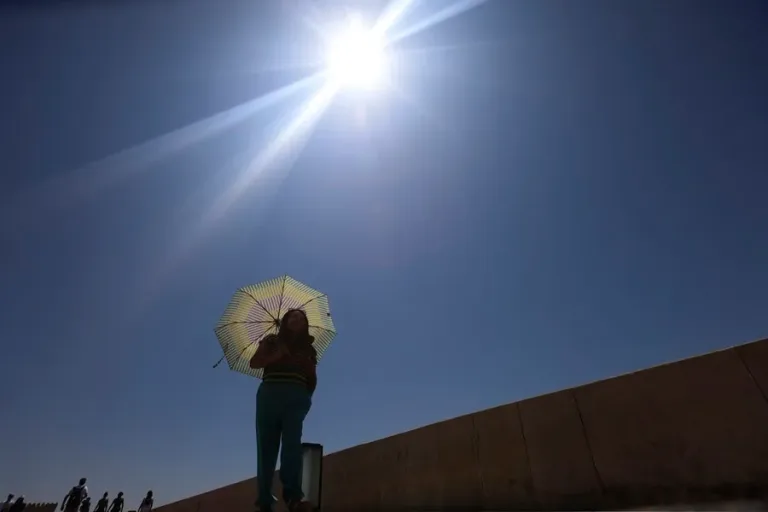
Practical guide to protecting yourself from extreme heat
The Centers for Disease Control and Prevention (CDC) recommend several concrete actions when facing dangerous temperatures. Staying in air-conditioned spaces for as much time as possible significantly reduces the risk of heat stroke. Drinking fluids frequently, even without feeling thirsty, helps keep the body hydrated throughout the day.
Scheduling outdoor activities during times of lower sun intensity is also fundamental. Wearing light, loose-fitting clothing in bright colors, along with sunscreen, reduces direct heat exposure. Taking cool showers or baths allows you to lower body temperature when conditions become unbearable.
The CDC also insists on checking the condition of family members, neighbors, or elderly people during heat waves. Never leaving children or pets inside closed vehicles can prevent avoidable tragedies. Additionally, it is recommended to stay informed through official channels about health and safety alerts in each locality.
These recommendations take on special relevance for agricultural and construction workers, sectors where the Hispanic presence is significant throughout the country. Slowing the pace of work, seeking shade regularly, and recognizing the first symptoms of heat exhaustion can make the difference between a safe workday and a medical emergency. Prevention remains the most effective tool against a phenomenon that, according to experts, will continue to intensify in the coming summers.
Canal oficial
Únete a nuestro canal de WhatsApp
Recibe las noticias más importantes al instante, sin spam. Solo lo que importa, cuando importa.

Comentarios
Inicia sesión para comentar
Es gratis y toma un minuto. Con tu cuenta también podés:
- Comentar y participar en la conversación
- Guardar notas para leer después
- Ver tu historial de lectura
- Recibir el boletín con tus temas favoritos