



Heat Alert in Florida: What Doctors Recommend
Southern Florida is facing an intense heat wave with maximum temperatures approaching 37°C and heat index exceeding 44°C, while medical authorities urge strict precautions to prevent severe dehydration and heat stroke.

Anthony Astonitas
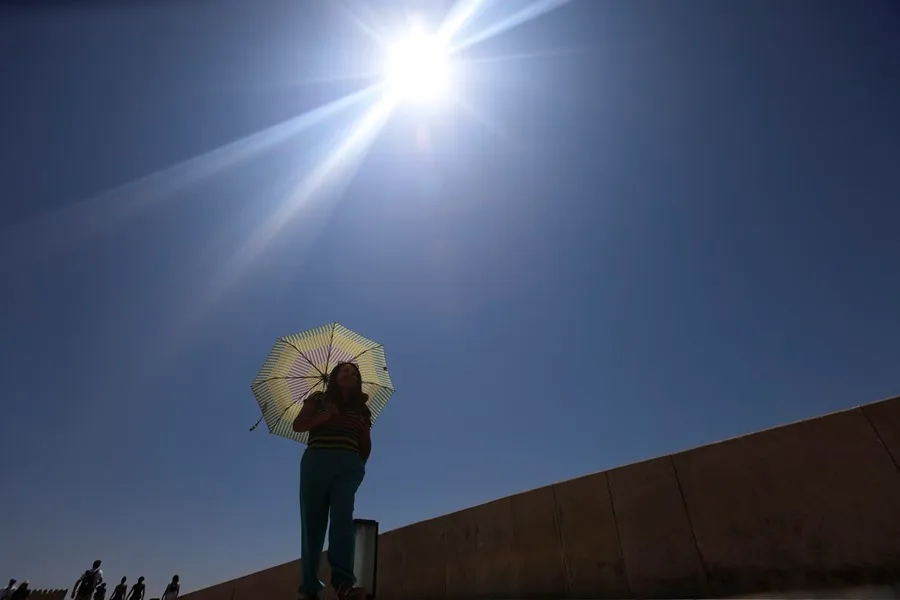
Southern Florida is facing an intense heat wave that has kept preventive warnings in effect for Miami-Dade and Broward counties. Maximum temperatures are approaching 37 ℃, while the heat index exceeds 44 ℃ due to high humidity levels.
The presence of a layer of Saharan dust inhibits the formation of afternoon thunderstorms and extends the oppressive heat into the evening. Medical authorities urge the population to take strict precautions to avoid severe dehydration and heat stroke.
What factors are causing this extreme weather alert?
The warning issued by the National Weather Service (NWS) is in effect for the metropolitan area due to heat indices of 105 to 112 degrees Fahrenheit. Westerly winds weaken the coastal sea breeze, allowing urban temperatures to reach record highs of 35 ℃ to 37 ℃. Additionally, dry air laden with Saharan particles creates a hazy sky that traps solar radiation throughout the day.

Various reports highlight that current environmental conditions increase the risk of medical emergencies outdoors. Sustained heat without nighttime relief prevents homes without air conditioning from cooling adequately. Consequently, doctors recommend limiting intense physical activities and staying in enclosed spaces with constant air conditioning.
How to distinguish between heat exhaustion and heat stroke?
Recognizing the symptoms of a heat-related illness in time can make the difference between quick recovery and emergency hospitalization. Heat exhaustion manifests with profuse sweating, pale skin, rapid pulse, dizziness, physical weakness, headache, and nausea. In contrast, heat stroke is a critical emergency in which the body loses the ability to regulate its internal temperature.

During heat stroke, body temperature exceeds 40 ℃ (104 ℉) and the skin becomes hot, red, and dry. When heat stroke is suspected, specialists advise calling emergency medical services immediately. While waiting for the ambulance, the affected person should be placed in a cool location and cool compresses should be applied.
Canal oficial
Únete a nuestro canal de WhatsApp
Recibe las noticias más importantes al instante, sin spam. Solo lo que importa, cuando importa.

Autor
Anthony AstonitasDesarrollador de Software 12 años de experiencia
Comentarios
Inicia sesión para comentar
Es gratis y toma un minuto. Con tu cuenta también podés:
- Comentar y participar en la conversación
- Guardar notas para leer después
- Ver tu historial de lectura
- Recibir el boletín con tus temas favoritos