



Complete Guide to Places Where ICE Cannot Arrest You in 2026
In 2026, there is no absolute federal prohibition against ICE arrests in churches, hospitals, or schools following the cancellation of the DHS sensitive sites policy, though federal courts maintain certain protections including restrictions on private home entry without a judge-signed warrant. The Fourth Amendment requires officers to obtain proper court authorization rather than administrative orders to enter residences.

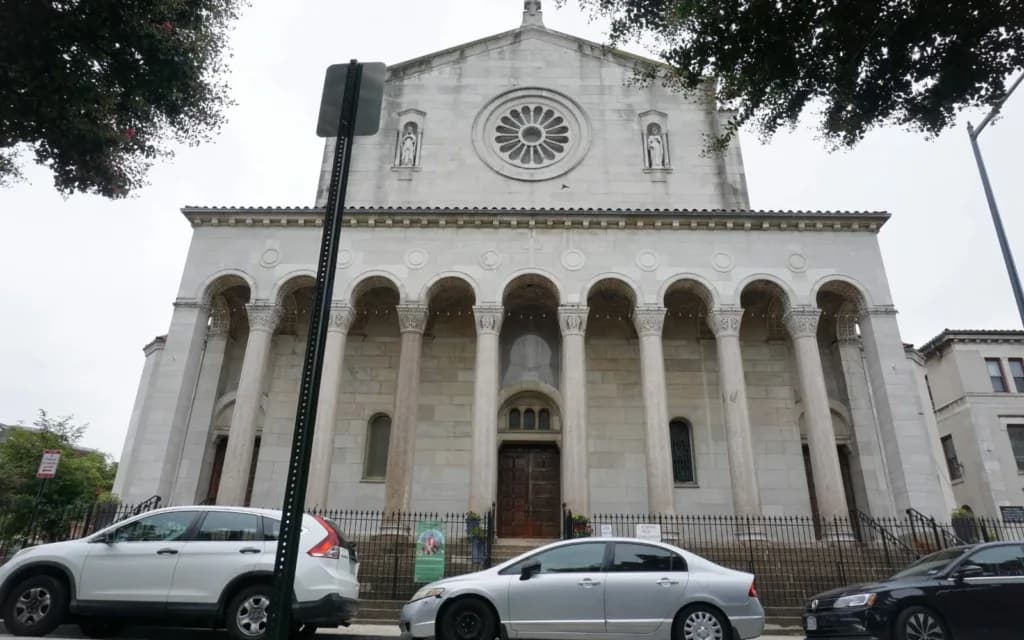
In 2026 there is no absolute federal prohibition in churches, hospitals or schools, following the cancellation of the sensitive sites guide by the DHS. However, a federal court ruling prohibits civil arrests within immigration courts nationwide, and a Fourth Circuit order protects 8 specific places of worship.
Additionally, the Fourth Amendment prevents agents from entering homes or private spaces without a court order signed by a judge. This situation creates doubts in the immigrant community amid an increase in operations in public and transit areas. Therefore, understanding the differences between public spaces, private spaces, and federal court decisions is essential.
What Changed With DHS’s Sensitive Sites Policy?
In January 2025, the DHS eliminated the federal directive that classified schools, hospitals and religious temples as «protected sites.» Since then, there is no general administrative rule that prevents ICE from conducting arrests in those facilities solely because of their social or community nature.

However, the absence of that guide does not grant absolute authority to federal officers. Immigration law specialist attorney Héctor Quiroga, of Quiroga Law Office, explained in an interview with Univision that agents’ actions continue to be subject to federal law and the U.S. Constitution.
Interventions in public spaces are permitted under certain legal conditions. Nevertheless, authorities must respect orders issued by federal courts that restrict specific actions in different jurisdictions across the country.
Can an Agent Enter a Home or Private Property?
The U.S. Constitution imposes clear restrictions through the Fourth Amendment, which protects against unreasonable searches and seizures in homes. For this reason, immigration officers cannot enter a house without the voluntary consent of an adult or a corresponding court order.
There is a determinative legal distinction between an administrative order and a court order. An administrative removal order, issued by DHS or ICE, authorizes the arrest of a person but does not authorize agents to forcibly enter a private residence, according to the rights guides of the American Civil Liberties Union.
To enter a residence without resident authorization, officers need
Canal oficial
Únete a nuestro canal de WhatsApp
Recibe las noticias más importantes al instante, sin spam. Solo lo que importa, cuando importa.

Comentarios
Inicia sesión para comentar
Es gratis y toma un minuto. Con tu cuenta también podés:
- Comentar y participar en la conversación
- Guardar notas para leer después
- Ver tu historial de lectura
- Recibir el boletín con tus temas favoritos