



EPA Intervenes in California to Lower Gas Prices
California drivers will receive temporary relief from high fuel costs as the EPA approved an emergency waiver to increase fuel supply, with the measure taking effect September 1, 2026, to reduce prices in one of the nation’s most expensive gas markets.

Anthony Astonitas
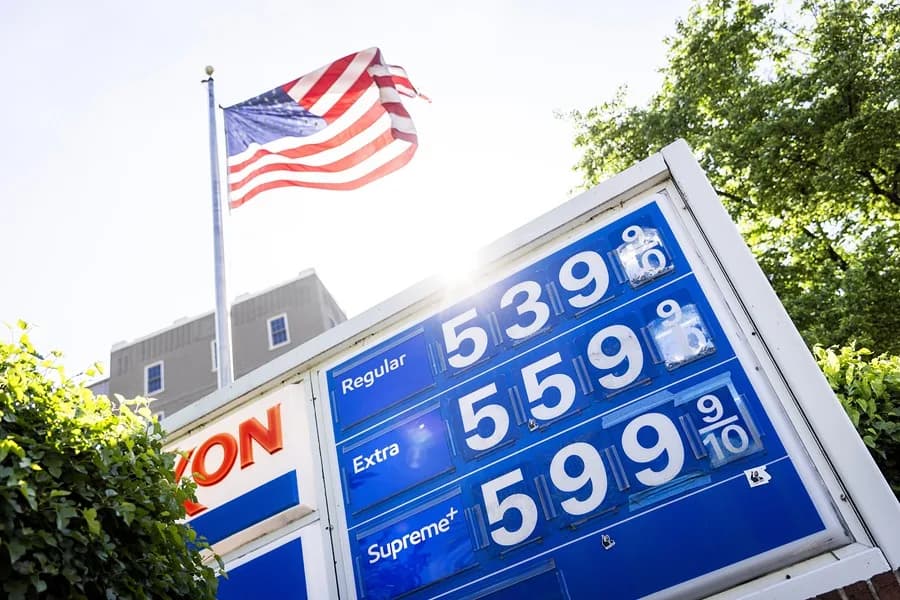
California drivers will receive temporary relief from high fuel costs at gas stations. The U.S. Environmental Protection Agency (EPA) approved an emergency waiver to increase fuel supply.
The measure will take effect on September 1, 2026 and will advance the end of summer restrictions by two weeks. This federal intervention seeks to reduce gas prices per gallon in one of the states with the most expensive energy rates in the country.
What does the EPA emergency waiver consist of?
The regulation authorizes the early sale of E10 fuel with a volatility limit higher than normally permitted in summer. This blend contains 10% ethanol and will begin formal distribution starting September 1. The provision will end on September 15, the date when the formal summer environmental control period concludes. Energy Secretary Chris Wright stated in a joint EPA statement that increasing supply reduces the cost of living for families.

«Increasing gasoline supply means lower prices for American families,» Wright emphasized. EPA Administrator Lee Zeldin stated that the agency will use all available tools to reduce prices at the pump. Additionally, the agency suspended additional state environmental requirements for renewable periods of up to 20 days in Texas, Arizona, and California.
Why is gasoline so expensive in California?
State motorists pay the highest rates in the country due to an isolated refining market and strict environmental regulations. The state average price was $5.59 per gallon of regular gasoline, according to data from the American Automobile Association (AAA). That figure exceeds the average recorded in the rest of U.S. territory by more than $1.50.
The gradual closure of local refineries forces the state to import specialty fuels from other distant international markets. Any technical failure in facilities or delays in tanker ships causes immediate increases at local gas stations. The EPA questioned California’s energy policies for delaying the adoption of more flexible federal regulations. However, state authorities maintain that their rules protect air quality in dense metropolitan areas.
Canal oficial
Únete a nuestro canal de WhatsApp
Recibe las noticias más importantes al instante, sin spam. Solo lo que importa, cuando importa.

Autor
Anthony AstonitasDesarrollador de Software 12 años de experiencia
Comentarios
Inicia sesión para comentar
Es gratis y toma un minuto. Con tu cuenta también podés:
- Comentar y participar en la conversación
- Guardar notas para leer después
- Ver tu historial de lectura
- Recibir el boletín con tus temas favoritos