



U.S. Allies with 18 Countries in Americas Against Organized Crime
The United States announced the creation of the Western Hemisphere Joint Task Force, bringing together 18 countries in the Americas to combat transnational criminal networks and increase pressure against cartels, drug trafficking, and human trafficking. The initiative replaces Operation Southern Lance and represents a more comprehensive approach combining security operations with multinational cooperation.

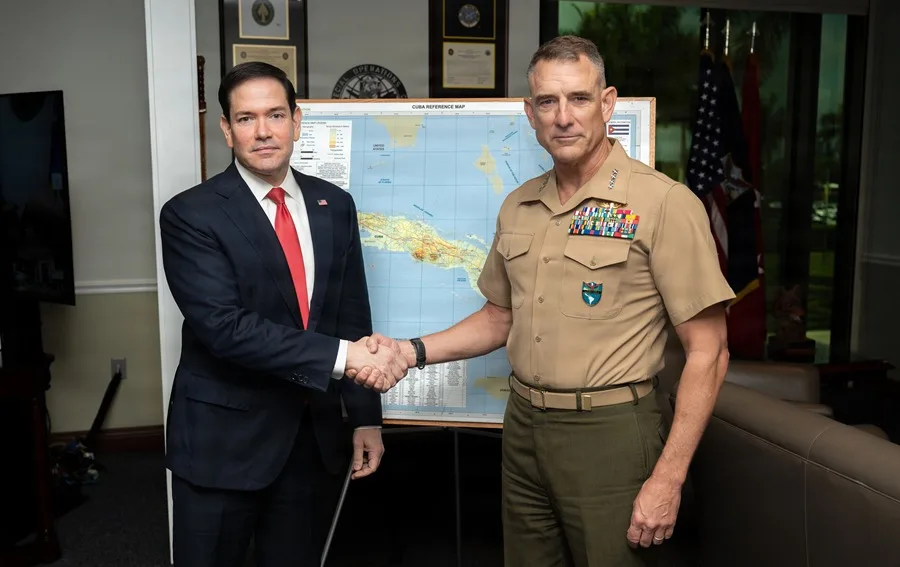
The United States announced the creation of the Western Hemisphere Joint Task Force. The initiative brings together 18 countries in the Americas to combat transnational criminal networks. The plan seeks to increase pressure against cartels, drug trafficking, and human trafficking.
The announcement was made by Southern Command (Southcom), headquartered in Miami. The new structure gradually replaces Operation Southern Lance, active since 2025. That operation included actions against suspicious vessels in the Caribbean and Pacific.
According to the official statement from Southern Command (U.S. Southern Command), the alliance aims to «increase operational effectiveness» and strengthen crisis response. It also seeks to improve regional coordination in the face of humanitarian emergencies.
What is the New Joint Task Force?
The group will function as the operational arm of Southern Command throughout the region. It will integrate intelligence, surveillance, and joint planning among allied countries. Its objective is to generate sustained pressure on criminal organizations.
General Francis Donovan stated that the group will increase the «operational tempo» against common threats. In statements reported by the U.S. Department of Defense, he noted that cooperation «strengthens the security of the United States and its partners.»
The initiative also includes coordination with civilian agencies. This encompasses entities such as the Department of Homeland Security (DHS) and Border Patrol (CBP). According to DHS, regional cooperation is key to curbing illicit trafficking and irregular migration.
Countries in the Coalition
- South America: Argentina, Bolivia, Chile, Ecuador, Paraguay, Peru
- Central America: El Salvador, Guatemala, Honduras, Costa Rica, Panama
- Caribbean: Dominican Republic, Bahamas, Belize, Jamaica, Trinidad and Tobago
- Other: Guyana
Leadership of the group will fall to General Kevin Jarrard. His experience includes coordinating disaster response and regional crisis management. This suggests the approach will combine security and humanitarian assistance.
How Does This Relate to Operation Southern Lance?
The new coalition represents a strategic transition. Operation Southern Lance focused on direct military actions. It included attacks against more than 60 suspicious vessels. According to the Washington Office on Latin American Affairs (WOLA), these operations resulted in 221 deaths. The figure has generated criticism from human rights organizations. Experts warn of risks of military escalation in the region.
The new group seeks a more comprehensive approach. It combines security operations with multinational cooperation. According to analysis by Reuters, this change responds to the need for greater regional legitimacy. The change also responds to political criticism. Legislators and analysts have called for more transparency. Additionally, it aims to reduce collateral impacts on coastal communities.
How Does This Alliance Impact Migration and Security?
Organized crime and irregular migration are closely linked. Criminal networks control human trafficking routes. This directly affects migrants attempting to reach the United States.
According to the Migration Policy Institute, cartels diversify their income through migrant trafficking. Therefore, attacking these networks could reduce irregular flows.
However, experts warn that the impact will not be immediate. Structural causes of migration persist. Factors such as poverty, violence, and climate change continue to push thousands of people.
Learn more at Nueva News
Canal oficial
Únete a nuestro canal de WhatsApp
Recibe las noticias más importantes al instante, sin spam. Solo lo que importa, cuando importa.

Comentarios
Inicia sesión para comentar
Es gratis y toma un minuto. Con tu cuenta también podés:
- Comentar y participar en la conversación
- Guardar notas para leer después
- Ver tu historial de lectura
- Recibir el boletín con tus temas favoritos