



Trump Alleges SNAP Fraud: Here’s What Would Change
President Trump alleges fraud in SNAP and prepares changes that could shift more costs to states, while enrollment declines and experts dispute whether errors represent intentional fraud or administrative failures. New regulations would require states to maintain error rates below 6% or face significant cost-sharing obligations, and expand work requirements for able-bodied adults up to age 64.

Anthony Astonitas
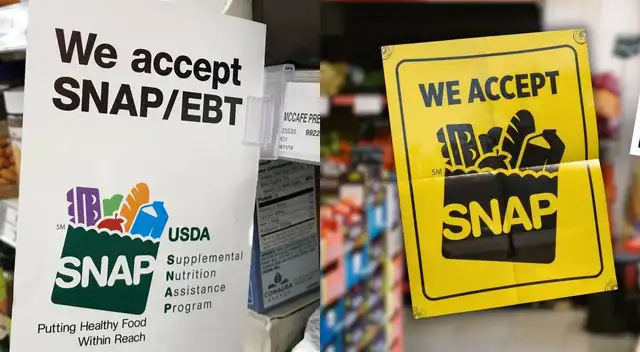
President Donald Trump alleges fraud in SNAP and is preparing changes that could shift more costs to the states. The discussion comes as enrollment declines and pressure grows on food benefits for millions of families.
The government insists that the program loses billions due to errors and abuse. But experts argue that most incorrect payments stem from administrative failures, not intentional fraud.
What Did the USDA Find?
The U.S. Department of Agriculture reported that SNAP’s error rate reached 10.6% in fiscal year 2025. That figure equates to more than $10 billion in improper payments. In total, SNAP distributed $95.7 billion in benefits during that period. The data alone does not prove widespread fraud, but it does open a debate about the administration of the USDA program.
Gina Plata-Nino, of the Food Research & Action Center, warned CBS News that an error is not the same as fraud. According to her explanation, errors typically arise from complex rules, scheduling changes, missing documentation, or system failures. Brian Jones, of the American Public Human Services Association, agreed with that assessment. He said errors are usually unintentional because the rules are very complex.
What Would Change for the States?
The new law known as OBBBA requires states to maintain an error rate below 6%. If they fail to do so, they must cover between 5% and 15% of SNAP costs beginning October 2027. The Center on Budget and Policy Priorities estimates that this measure could cost states an additional $9 billion. The impact would be greatest in jurisdictions with higher error rates and less fiscal flexibility.
Katie Bergh, SNAP specialist at CBPP, said states have never had to assume a portion of these benefits. She also warned that nearly half could face cost-sharing obligations of $100 million or more in the first year. This does not mean beneficiaries will lose money immediately. But it could push states to reorganize their budgets, strengthen audits, or cut other services.
Will There Be More Requirements to Receive Assistance?
Yes. The law also expands work requirements for able-bodied adults up to age 64. Previously, that threshold was lower in most cases.
Adults in that group must meet at least 80 hours per month of work, training, or volunteering to maintain benefits beyond the allowed period. This requirement could complicate program participation for people with unstable employment
Canal oficial
Únete a nuestro canal de WhatsApp
Recibe las noticias más importantes al instante, sin spam. Solo lo que importa, cuando importa.

Autor
Anthony AstonitasDesarrollador de Software 12 años de experiencia
Comentarios
Inicia sesión para comentar
Es gratis y toma un minuto. Con tu cuenta también podés:
- Comentar y participar en la conversación
- Guardar notas para leer después
- Ver tu historial de lectura
- Recibir el boletín con tus temas favoritos