



Supreme Court Grants Trump Power Over Green Card Immigrants
The Supreme Court backed the Trump administration in a case expanding official discretion over permanent residents with green cards, affecting how immigration officials treat those returning after brief trips while facing criminal suspicions. The ruling comes amid stricter immigration enforcement and growing legal uncertainty for migrant families.

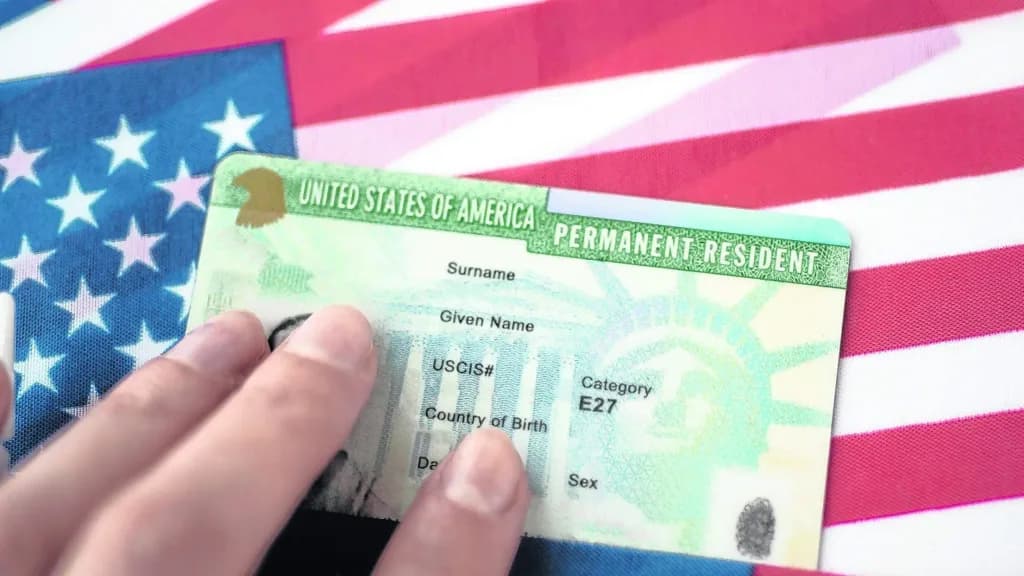
The Supreme Court backed the Donald Trump administration in a case that expands official discretion over permanent residents with green cards. The ruling affects how immigration officials treat those who return to the country after brief trips and face criminal suspicions.
The decision comes at a time of stricter immigration enforcement. It also occurs while the court analyzes other cases linked to birthright citizenship, asylum, and temporary protections. For migrant families, the message is clear: legal uncertainty continues to grow.
What Did the Supreme Court Decide?
The case centered on Muk Choi Lau, a permanent resident who had temporarily left the United States. Upon returning in 2012, immigration officials placed him under immigration parole due to a forgery charge.
Lau argued that this measure was excessive. He claimed the government used parole to expedite a deportation process before a final conviction. But the 6-3 majority did not accept his argument.
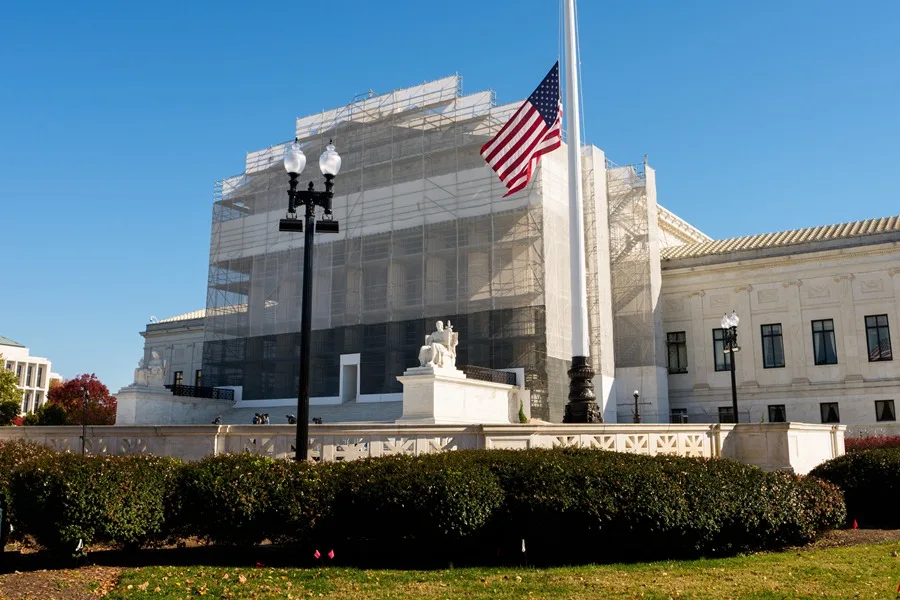
According to the ruling, border officials did not have to present «clear and convincing evidence» to justify that decision, wrote Justice Clarence Thomas. The Supreme Court thus gave immigration authorities more leeway to decide how to receive certain permanent residents.
The case did not resolve the entire criminal matter. It did strengthen the government’s position on how to treat a green card holder under suspicion. That could influence similar future cases.
Why Are Advocates Concerned?
Justice Ketanji Brown Jackson wrote a strong dissent. She said the use of parole placed Lau in a «immigration limbo» before a conviction. For her, the court gave the government too much leeway.
That criticism matters because parole does not amount to normal admission to the country. In practice, it can change the legal status of a person who already lived as a permanent resident. For immigration attorneys, that distinction is enormous.
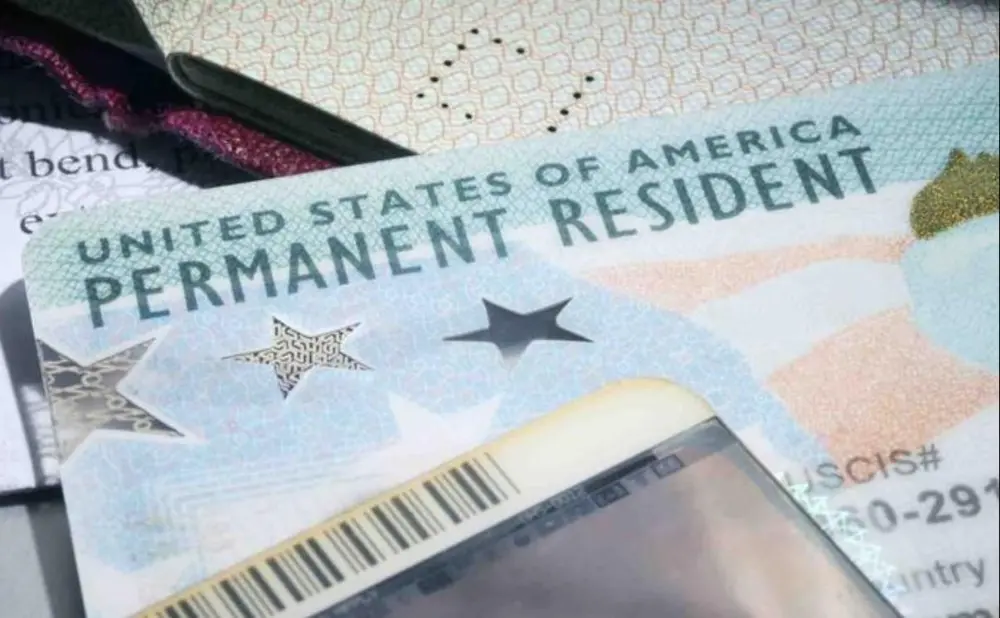
The dissent also warns of the risk of punishing first and reviewing later. That order can affect people who still have not been declared guilty. In immigration, that tension between security and due process appears again and again.
DHS and immigration officials now have expanded authority over green card holders facing accusations.
Canal oficial
Únete a nuestro canal de WhatsApp
Recibe las noticias más importantes al instante, sin spam. Solo lo que importa, cuando importa.

Comentarios
Inicia sesión para comentar
Es gratis y toma un minuto. Con tu cuenta también podés:
- Comentar y participar en la conversación
- Guardar notas para leer después
- Ver tu historial de lectura
- Recibir el boletín con tus temas favoritos