



Visa-Free Border Crossing: What You Need to Know About the DSP-150
The Border Crossing Card (BCC or DSP-150) permits certain Mexican citizens to enter U.S. border zones without a visa stamp on their passport, though the card can function as a B1/B2 visa when presented with a valid passport. The card is valid for up to 10 years but comes with strict distance and duration limits that vary by state, and exceeding these limits can result in legal problems.

Anthony Astonitas
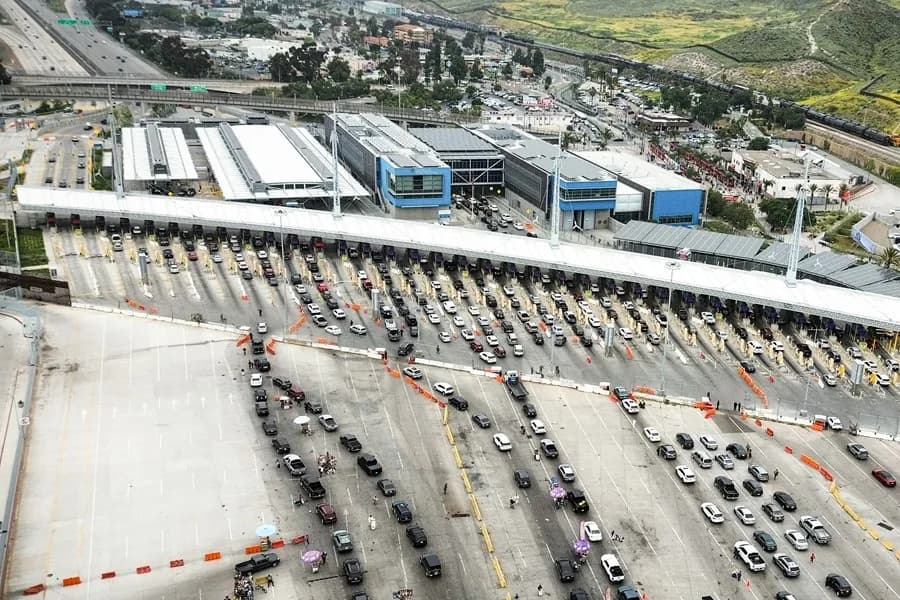
The Border Crossing Card, known as BCC or DSP-150, allows certain Mexican citizens to enter U.S. border zones. The document is not an open authorization for any foreigner. Only Mexican citizens living in Mexico can request it.
The BCC can be used without a passport for limited land or maritime travel. When presented with a valid passport, it can function as a B1/B2 visa. People must know the distance and duration limits before crossing. Exceeding them can cause problems with the Customs and Border Protection (CBP) Office.
What Is the DSP-150 Form?
The DSP-150 is the document associated with the Border Crossing Card. The card incorporates security elements and biometric data. The BCC is valid for up to 10 years. The exact date appears on the approved document.

The card allows legal entry without a U.S. visa stamped in the passport. However, it still must be presented to CBP. The consular information from the State Department specifies that the card is intended for eligible Mexican visitors.
The card does not allow working in the United States. It also does not authorize studying, permanent residence, or receiving public benefits. The traveler must demonstrate that their visit is temporary. CBP may ask about destination, purpose, and duration. Having the BCC does not guarantee admission. The border officer decides whether to allow entry after inspection.
What Places Can Be Visited Without a Passport?
The BCC without a passport allows entry only to authorized border zones. Limits depend on the state visited. In California, travelers can travel up to 25 miles from the border. Texas has the same general limit. In New Mexico, the limit is 55 miles or up to Interstate 10, whichever is farther north. In Arizona, travelers can advance up to 75 miles from the border.
Distances are not calculated from any point. CBP may apply specific rules depending on the port of entry and route. The traveler must confirm the zone before leaving the border area. A family visit can become a violation if limits are exceeded. The Customs and Border Protection Office publishes information about official ports of entry. The card can be used for tourism, family visits, and unpaid business. It cannot be used to accept employment or receive a salary.
What Happens When Presented With a Passport?
Canal oficial
Únete a nuestro canal de WhatsApp
Recibe las noticias más importantes al instante, sin spam. Solo lo que importa, cuando importa.

Autor
Anthony AstonitasDesarrollador de Software 12 años de experiencia
Comentarios
Inicia sesión para comentar
Es gratis y toma un minuto. Con tu cuenta también podés:
- Comentar y participar en la conversación
- Guardar notas para leer después
- Ver tu historial de lectura
- Recibir el boletín con tus temas favoritos