



U.S. Loses 23,000 Jobs in July: How Does It Affect Latinos?
The U.S. labor market experienced an unexpected slowdown in July 2026, with employers eliminating 23,000 jobs instead of the projected 100,000 new positions. Latino workers face particular hardship as job losses concentrated in restaurants, retail, and services sectors where they have high participation.


The labor market in the United States experienced an unexpected slowdown in July 2026. Employers eliminated 23,000 jobs, a result that contradicts analysts’ projections who expected the creation of around 100,000 jobs.
The report released by the Department of Labor confirms a labor market with less momentum. Although the unemployment rate dropped to 4.1%, the reduction is because 264,000 people stopped looking for work and were removed from official statistics. For the Latino workforce, the report brings bad news in specific sectors. Job losses were concentrated in industries where Hispanic workers have high participation.
Which Sectors Lost the Most Jobs?
The main impact occurred in services, retail, and local schools. The decline in these sectors suggests that the slowdown affects both public employment and everyday services. The report highlights the following losses during July:
- Local public schools: 50,000 fewer jobs.
- Restaurants and bars: 26,000 fewer jobs.
- Retail trade: 19,000 fewer jobs.
The decline in restaurants, bars, and retail is particularly sensitive for Latinos. Many families depend on those wages as their first step in the U.S. labor market. However, other sectors did report growth. Construction added 22,000 jobs, while manufacturing added 5,000. Both industries also have a high percentage of Hispanic workers.
The net job creation in construction helped cushion the overall decline. But not all restaurant workers can quickly jump to construction or manufacturing positions. That imbalance means some groups face more pressure than others. Those seeking work in sales, customer service, and hospitality will have fewer options available.
Why Is the Market Weakening?
The July result is not an isolated event. So far in 2026, employers have created an average of 61,000 jobs per month. That figure is far below the 166,000 jobs per month recorded between 2023 and 2024. Specialists link the decline to several factors. Researchers from the Federal Reserve Bank of San Francisco noted that job searching is now more difficult, even for people ages 25 to 54 with university degrees.
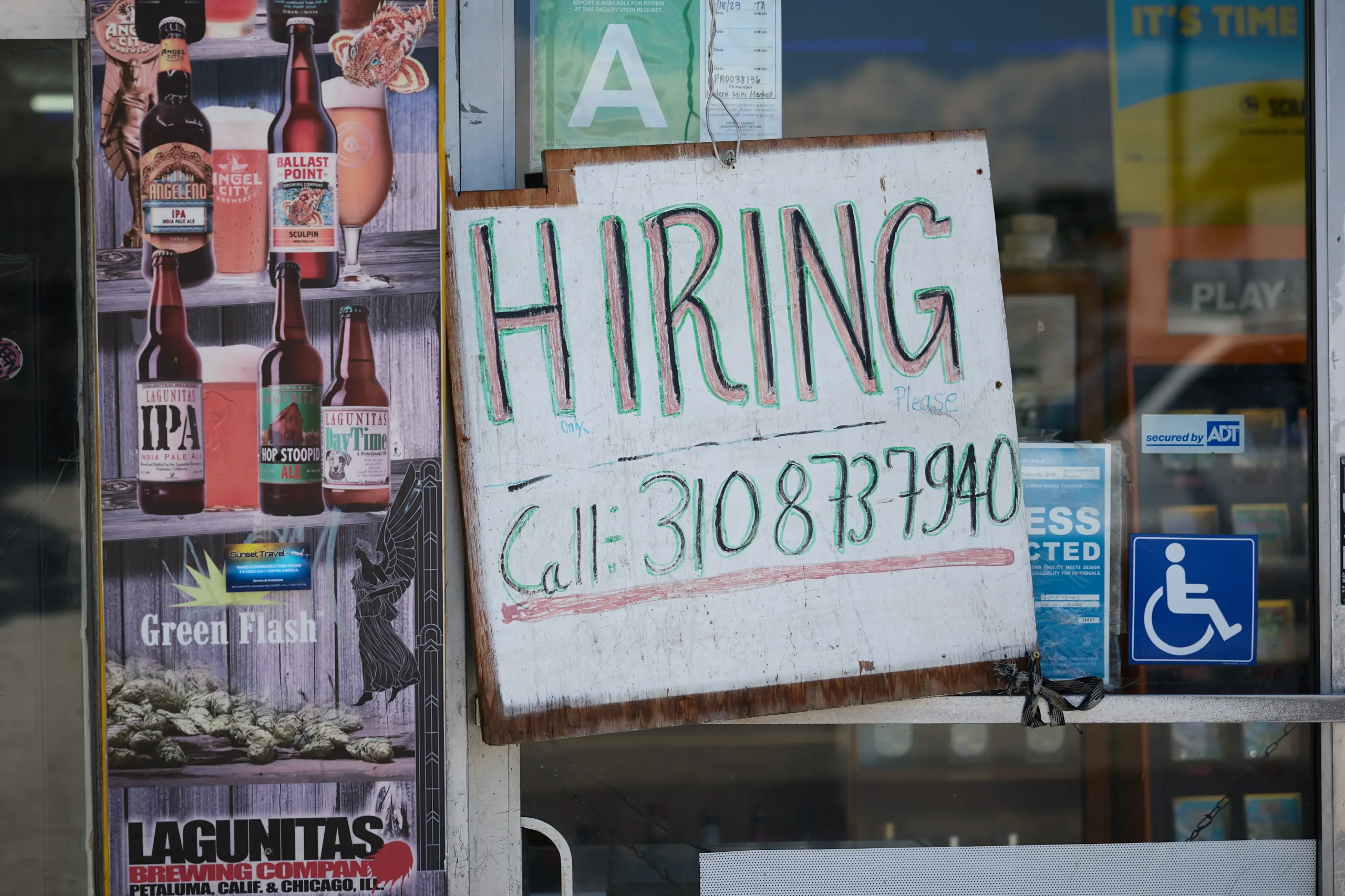
A major cause is economic uncertainty. Companies are more cautious about hiring due to inflation, high cost of living, and trade policy. Some analyses also point to the effect of migration policy and tariffs from the Donald Trump administration. Those measures have generated concern about labor availability and material costs.
Additionally, technology companies and contractors
Canal oficial
Únete a nuestro canal de WhatsApp
Recibe las noticias más importantes al instante, sin spam. Solo lo que importa, cuando importa.

Comentarios
Inicia sesión para comentar
Es gratis y toma un minuto. Con tu cuenta también podés:
- Comentar y participar en la conversación
- Guardar notas para leer después
- Ver tu historial de lectura
- Recibir el boletín con tus temas favoritos