



U.S. Halts Travel for Omitted Passport Signature Requirement
The U.S. Department of State warned that every U.S. passport holder must hand-sign their passport for it to have legal validity for travel. Ignoring this requirement can result in immediate denial of boarding by airlines and rejection at border crossings.

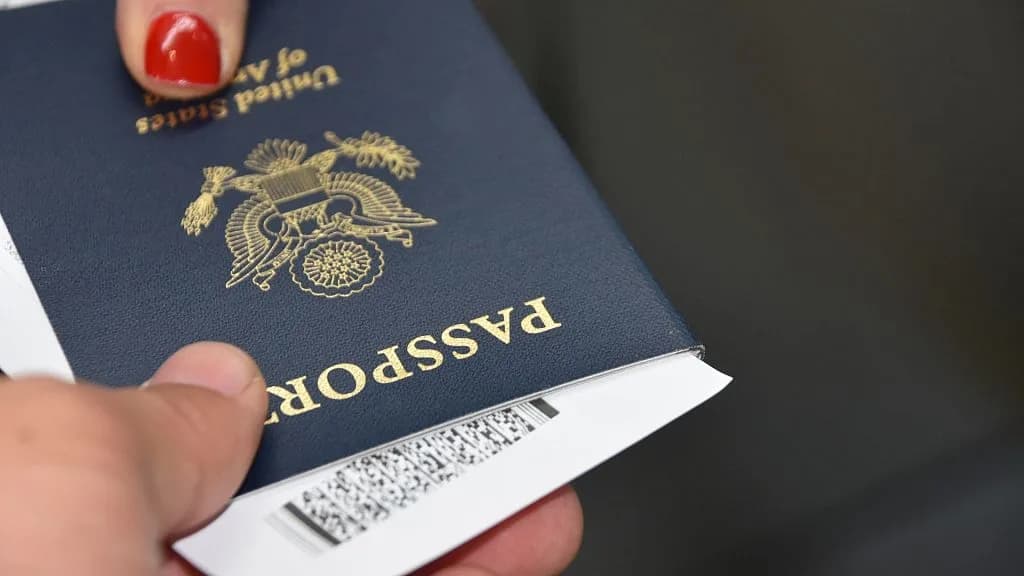
The U.S. Department of State issued a warning about a detail many travelers forget. Every holder of a U.S. passport must sign it by hand for the document to have legal validity and permit travel.
The reminder was shared on July 29, 2026 on the official @TravelGov account. The message clarified that the signature is not an optional step, but a strict requirement for crossing borders or boarding an international flight.
Ignoring this rule can ruin a trip before it starts. Airlines and border agents have been ordered to reject any passport that does not comply with this requirement.
What Does Federal Regulation Require?
The rule that defines the legal validity of the document is federal regulation 22 CFR 51.4. That text expressly establishes that a passport without a signature is not valid, even if it has a photo, stamps, and correct biometric data. There is an important exception. The passport book—the classic blue format—requires a mandatory signature. However, the passport card is exempt from that condition.

But that card has clear limitations. It only works for land or sea travel between the United States, Canada, Mexico, the Caribbean, and Bermuda. For any international flight, the traveler needs the passport book and, therefore, their signature. The Department of State established precise rules on how to sign. The signature must be made with blue or black ink on the designated line within the booklet. Digital signatures, stamps, or typewritten names are not accepted.
How Must Minors Sign?
The procedure changes based on the age of the holder. For adults and young people ages 16 and 17, the rule is straightforward: they must sign with their full name. The government recommends that young people use a signature they can maintain over time, since minors’ passports are valid for five years.
For children under 16 years old, the process is different. A parent or legal guardian must first write the child’s full name in printed letters on the designated line. Then, on that same line, the adult must add their own signature. Finally, they must specify their relationship by writing «mother,» «father,» or «legal guardian» next to the signature. That double step is essential for families. If the adult only signs or only writes the child’s name, the document can be rejected at the airport or border.
What Happens If the Passport Is Not Signed?
The consequences are immediate. If a traveler arrives at the airport with a blank document, the airline can deny boarding. Airlines assume financial responsibility if they transport passengers with invalid documents, so they are very strict in their review. If the traveler manages to board the plane, the problem can emerge in the destination country. A foreign border control can send the passenger for secondary inspection.
Canal oficial
Únete a nuestro canal de WhatsApp
Recibe las noticias más importantes al instante, sin spam. Solo lo que importa, cuando importa.

Comentarios
Inicia sesión para comentar
Es gratis y toma un minuto. Con tu cuenta también podés:
- Comentar y participar en la conversación
- Guardar notas para leer después
- Ver tu historial de lectura
- Recibir el boletín con tus temas favoritos