


ICE to Implement Body Cameras for Agents
ICE agents will begin using body cameras before the end of August under interim director David Venturella, accelerating an original September deadline following public outcry and congressional pressure over immigrant deaths. The new policy requires cameras during routine operations but allows ICE leadership broad discretion to restrict public release of footage involving serious incidents.

Anthony Astonitas
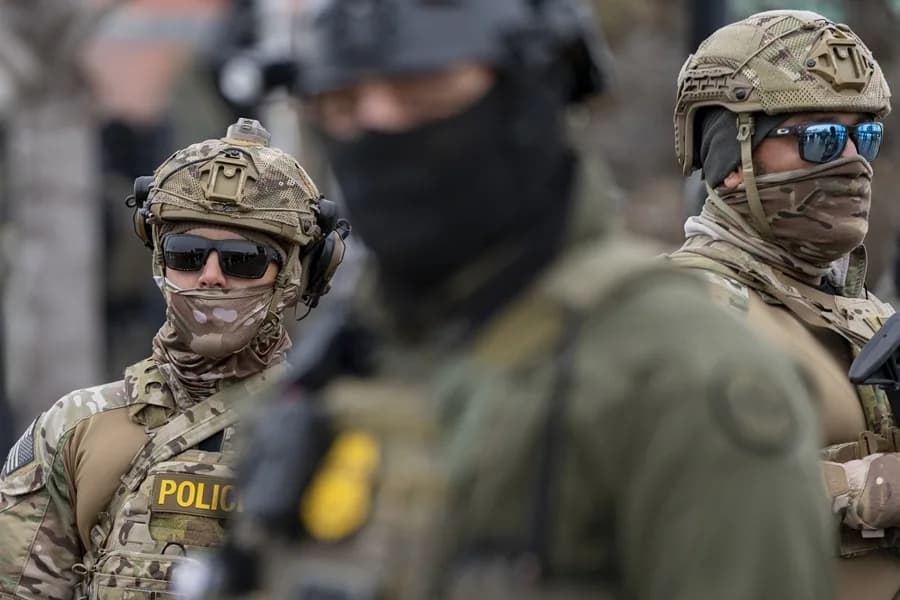
Agents from the Immigration and Customs Enforcement (ICE) will use body cameras before the end of August. This was confirmed by David Venturella, interim director of the agency under the Donald Trump administration, after months of intense public demands and Congressional pressure.
The original plan set the end of September as the deadline, but ICE accelerated the delivery of the devices. The urgency stems from strong criticism following the deaths of immigrants Lorenzo Salgado Araujo, in Houston, and Johan Sebastián Durán Guerrero, in July, where the agents involved were not wearing cameras that would have documented the operations.
For the Latino community and human rights advocates, the measure represents a necessary step to monitor migration police conduct. However, the policy governing how and when videos will be made public has raised doubts about the true transparency of the program.
What does ICE’s new policy say?
The internal regulation requires agents to activate their cameras during routine activities. This includes immigration detentions, execution of arrest warrants or searches, and intervention in potential emergencies. However, it prohibits recording individuals who participate exclusively in activities protected by the First Amendment, such as peaceful protests.
The most controversial point of the policy concerns the release of recordings. According to The Associated Press, ICE established that videos of shootings or incidents involving serious injuries will only be released if the director determines that doing so serves the «best interests of the agency.»
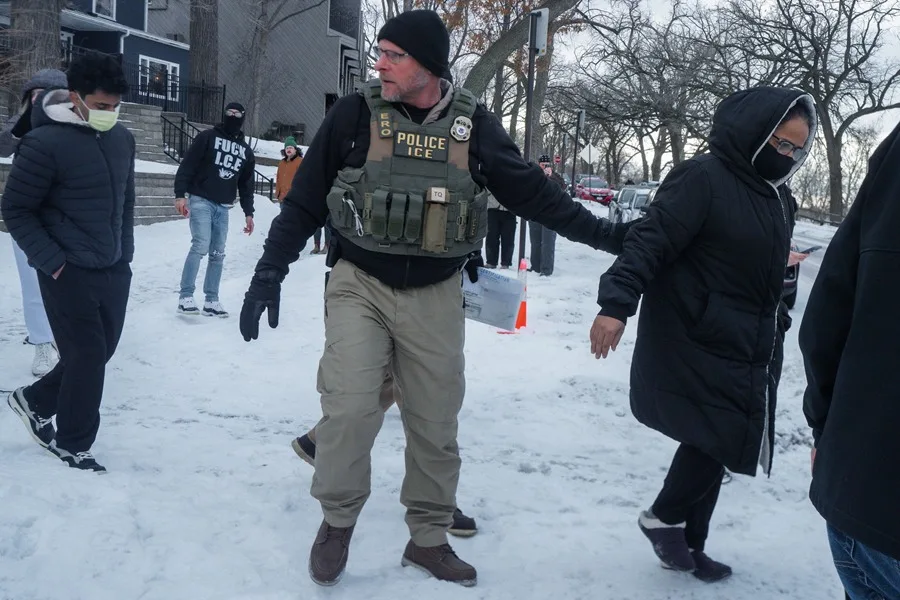
The protocol dictates that following a serious incident, a committee of ICE leaders and attorneys will review the footage to recommend its release. If the decision is favorable, the video could be released within 72 hours. However, the director has absolute authority to block or indefinitely delay publication by invoking «specific and compelling circumstances.»
Even when recordings come to light, ICE will censor visual information that allows identification of its agents. This includes blurring faces, names, and badge numbers, citing privacy and safety reasons for its personnel.
Why the change in government stance?
The implementation of these cameras has a long history of political back-and-forth. The Joe Biden administration had issued an executive order in 2022 requiring federal agencies, including the Department of Homeland Security (DHS), to adopt the use of body cameras.
But when Donald Trump returned to power, he temporarily halted that process. In the early weeks of his administration, several reports indicated that Border Patrol and ICE agents had received instructions to suspend camera use for alleged «risk mitigation» reasons.

Canal oficial
Únete a nuestro canal de WhatsApp
Recibe las noticias más importantes al instante, sin spam. Solo lo que importa, cuando importa.

Autor
Anthony AstonitasDesarrollador de Software 12 años de experiencia