



Deportation of Mexicans to Central America: What’s Happening?
The Trump administration reportedly sends deported Mexican citizens to Guatemala and Honduras against Mexico’s objections, with CBS News reporting that hundreds have been transferred in recent months based on statements from two DHS officials. Mexico’s government has rejected the practice and denied authorizing any agreement to receive its nationals in third countries.

Anthony Astonitas
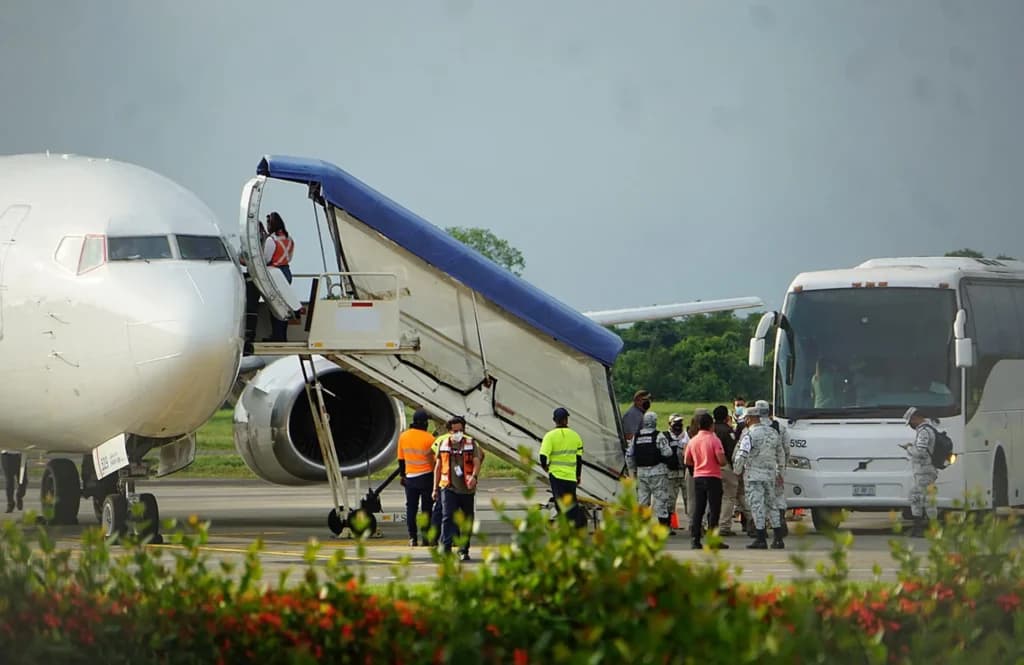
The Donald Trump administration would be sending deported Mexican citizens to Guatemala and Honduras, despite Mexico’s opposition. The information was revealed by CBS News, based on statements from 2 DHS officials.
The flights would have transferred hundreds of Mexicans over recent months, although no official public figures exist yet. The Mexican government rejected the practice and asserted that it did not authorize any agreement to receive its nationals in third countries.
How does the transfer of Mexicans to third countries work?
According to CBS News, U.S. authorities have transferred Mexicans to Guatemala and Honduras via flights that avoid Mexican territory. The operation has not been formally announced by the U.S. Government, according to the cited sources. Officials indicated that one of the objectives is to keep deportees away from the border between Mexico and the United States.
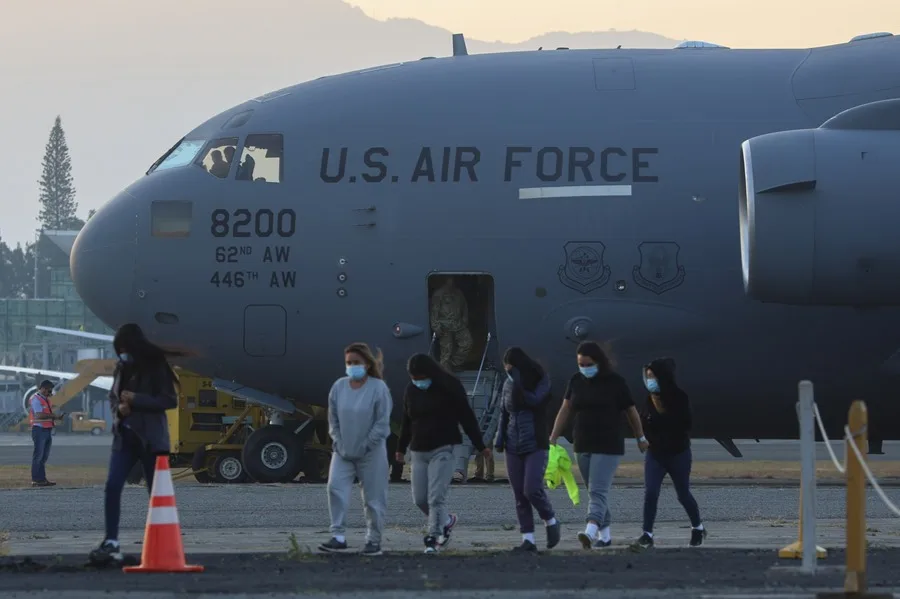
The strategy aims to prevent new attempts at irregular entry following an expulsion. The practice is known as third-country deportation because the person is not sent to their country of nationality. This deterrent purpose distinguishes these flights from traditional deportations to Mexico. However, available information does not specify how many people were transferred or under what individual procedures.
What was Mexico’s response to the deportations?
Mexico’s Ministry of Foreign Affairs rejected the sending of its citizens to Guatemala or Honduras. «The Mexican Government accepts the return of all its nationals,» the agency stated in a declaration cited by CBS News. The Foreign Ministry added that there is no current agreement to deport Mexicans to third countries.
It also noted that Mexico implements measures to ensure safe and dignified return of its citizens. Mexico’s stance introduces a diplomatic dispute over how the United States carries out its expulsions. The lack of official information limits the possibility of knowing the arrival conditions of deportees. It also remains unclear whether Guatemala and Honduras formally accepted those transfers.
Why is the United States applying this migration strategy?
DHS officials said that sending Mexicans farther from the border aims to discourage new entry attempts. Adam Isacson, researcher at the Washington Office on Latin America, described the measure as primarily punitive. «This is almost entirely punitive,» Isacson told the U.S. media outlet.

The expert explained that distance makes it difficult to return quickly to the border after an expulsion. The DHS asserted that the administration uses «all legal options» to fulfill its promise to expand deportations. The strategy could also affect people who have family members, property, or pending cases in Mexico. Therefore, each deportation must be analyzed according to the immigration order and the person’s circumstances.
What rights can deported Mexicans have?
A person detained by immigration authorities must receive information about the process they face. They can also request communication with a lawyer, although the U.S. government generally does not guarantee public defense in immigration proceedings.
Those who fear persecution or torture in the destination country can raise those concerns with the appropriate authorities. People should request copies of the deportation order and any documents indicating the destination country.
Furthermore, it is advisable to inform family members and the Mexican consulate before any transfer, when possible. People with a final order should consult an attorney before signing documents they do not understand. Similarly, no one should pay intermediaries who promise to stop a transfer without legal authority.
What does this case imply for the Mexican community?
The measure increases uncertainty among Mexicans living in the United States without regular migration status. It also concerns families that depend on direct deportation to Mexico to maintain contact and organize their return. Family members should keep copies of passports, birth certificates, consular contacts, and legal documents.
Additionally, it is advisable to establish a safety plan for minors and dependent persons in case of possible immigration detention. The situation could change if Mexico requests formal explanations or if U.S. courts review the legality of the transfers.
Learn more at Nueva News
Canal oficial
Únete a nuestro canal de WhatsApp
Recibe las noticias más importantes al instante, sin spam. Solo lo que importa, cuando importa.

Autor
Anthony AstonitasDesarrollador de Software 12 años de experiencia
Comentarios
Inicia sesión para comentar
Es gratis y toma un minuto. Con tu cuenta también podés:
- Comentar y participar en la conversación
- Guardar notas para leer después
- Ver tu historial de lectura
- Recibir el boletín con tus temas favoritos