



Birthright citizenship: How common is ‘birth tourism’ in the U.S.?
Birthright citizenship returned to the center of U.S. immigration debate as Donald Trump signed two executive orders to limit it and combat so-called birth tourism. Available evidence indicates the phenomenon exists but represents a small fraction of national births.

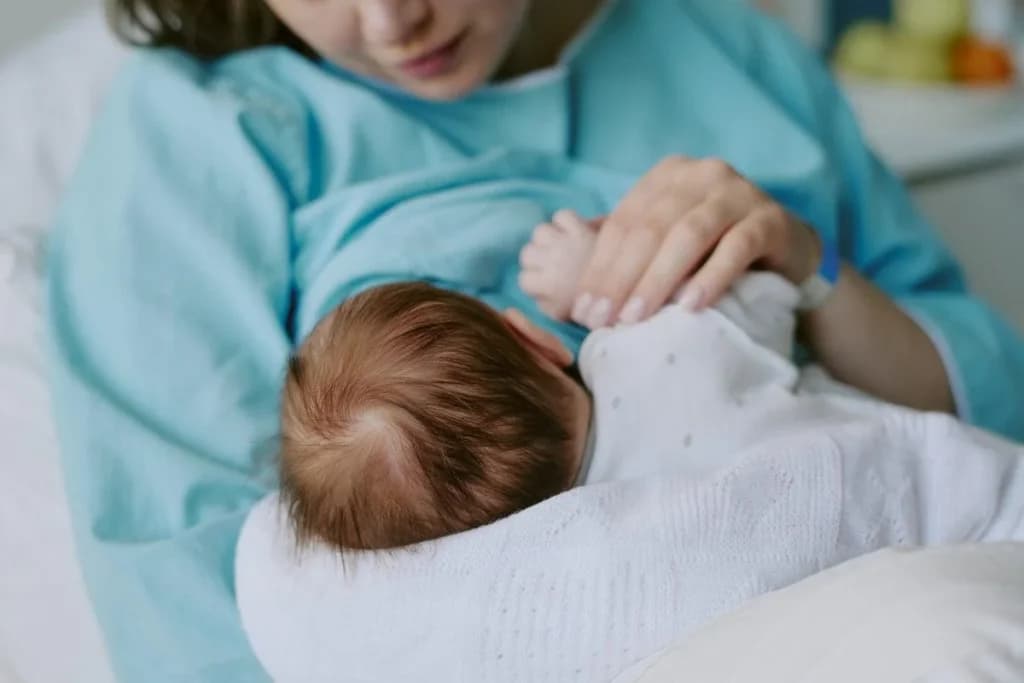
Birthright citizenship returned to the center of the U.S. immigration debate. Donald Trump signed 2 executive orders to limit it and combat so-called birth tourism. The measures were announced on August 6. They came just weeks after the Supreme Court rejected his initial attempt.
The discussion mixes a constitutional right, visa controls and incomplete data. That’s why it’s important to separate birth tourism from birthright citizenship. Available evidence indicates the phenomenon exists, but represents a small fraction of national births. The figures also don’t support the presidential claim about «hundreds of thousands» of babies.
What is birthright citizenship?
Birthright citizenship is based on the 14th Amendment to the Constitution. That provision was ratified in 1868, after the Civil War. Its text recognizes as citizens those born or naturalized in the United States. It also requires that those persons be subject to U.S. jurisdiction. In practice, nearly all children born on U.S. territory receive automatic citizenship. The immigration status of their parents typically doesn’t change that outcome.
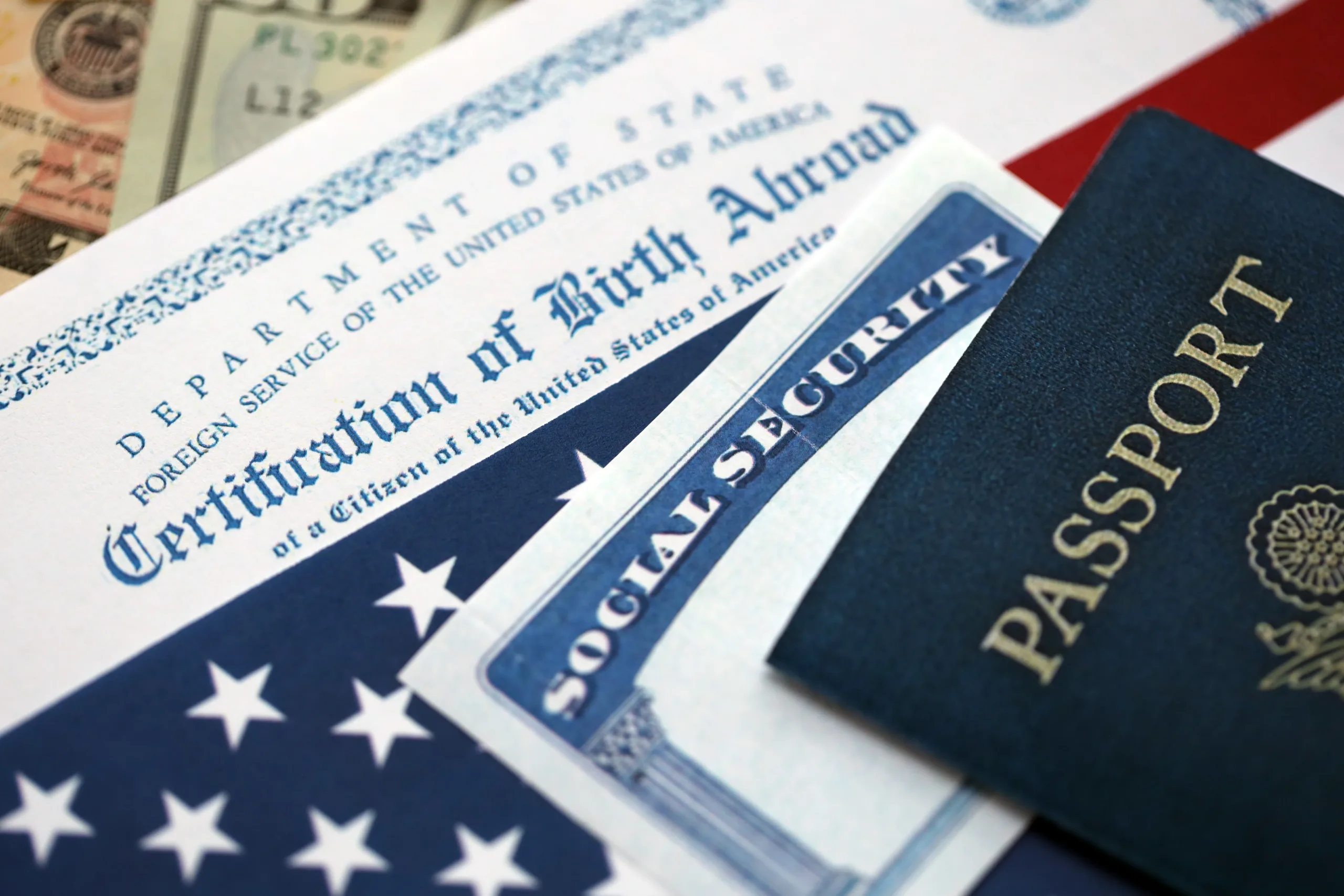
The amendment emerged after a historic decision. In Dred Scott v. Sandford, the Supreme Court had denied citizenship to Black people descended from slaves. Congress later approved a broader constitutional guarantee. Its goal was to fully recognize former slaves and their children. Birthright citizenship is legally known as jus soli. The term means «right of the soil» and exists in different countries.
However, the principle has limited exceptions. It includes mainly children of foreign diplomats accredited to the United States. Specific rules also exist for U.S. territories. Puerto Rico, Guam and the U.S. Virgin Islands grant citizenship by federal law. American Samoa maintains a different situation. There, people born are U.S. nationals, but not automatic citizens.
The Supreme Court reaffirmed this principle on June 30, 2026. In the case Trump v. Barbara, 6 justices rejected the initial presidential order. The court’s chief, John Roberts, summarized the conflict with a phrase. «It is a new world. It is the same Constitution,» he stated according to case reports.
What do Trump’s new orders change?
The first order creates new categories of children who could be excluded from automatic citizenship. The measure focuses on cases where neither parent is a U.S. citizen. The text mentions situations linked with foreign governments and designated terrorist organizations. It also includes certain trade agreements to ensure birth in the United States. The order initially targets children of diplomatic personnel. But its critics fear the administration will try to expand restrictions later.
The second order focuses on birth tourism. It instructs the State Department and DHS to strengthen controls on visas and entries. Authorities could revoke visas if they conclude a person traveled primarily to give birth. They could also prevent their future entry to the United States. The practice is not automatically a crime simply by fact of
Canal oficial
Únete a nuestro canal de WhatsApp
Recibe las noticias más importantes al instante, sin spam. Solo lo que importa, cuando importa.

Comentarios
Inicia sesión para comentar
Es gratis y toma un minuto. Con tu cuenta también podés:
- Comentar y participar en la conversación
- Guardar notas para leer después
- Ver tu historial de lectura
- Recibir el boletín con tus temas favoritos