



License Plate Readers: Are They Monitoring You Without Your Knowledge?
License plate reader cameras have expanded across the United States, and Flock Safety announced new controls after investigations revealed thousands of searches related to immigration enforcement by ICE through local police departments, raising civil rights concerns.

Anthony Astonitas
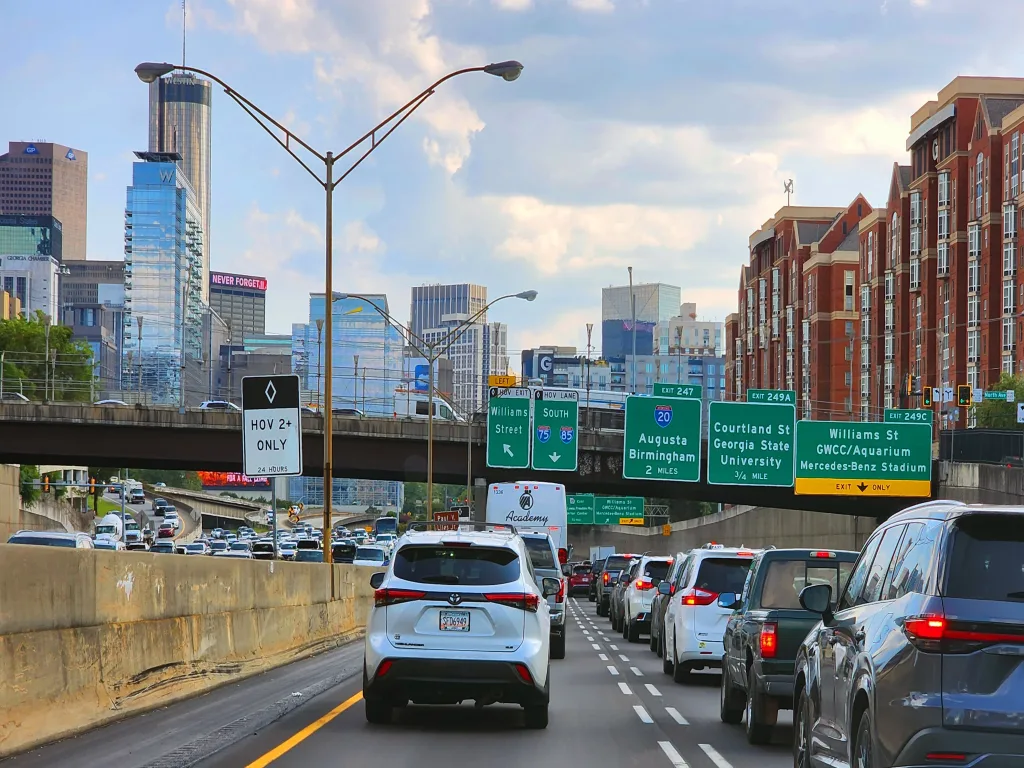
License plate reader cameras have expanded across streets, parking lots, and neighborhoods throughout the United States. The technology can record a license plate, the approximate location, and the time a vehicle passed. Flock Safety announced new controls following investigations into police searches related to ICE and immigration. The company claims that ICE does not have direct access to its system. However, local police departments can conduct searches for federal agents.
How Do These Cameras Work?
Automatic license plate readers capture images of vehicles on public roads. Afterward, they convert the license plate into searchable data. The system can show when a vehicle appeared in a specific area. It can also identify travel patterns that may assist a police investigation.

Flock maintains that its clients control the data. Each city decides how long to retain the information and who can access it. The network processes approximately 20 billion scans monthly. The company also operates more than 120,000 cameras across the country.
The camera does not automatically identify all people inside the vehicle. However, the information can reveal family routines. This risk is significant for immigrants. A travel pattern can show home, work, school, church, or clinic. Authorities need to confirm the information. A license plate match does not prove the vehicle owner was driving.
Was This Data Used for Immigration?
Journalistic investigations found thousands of searches with terms related to immigration. Records analyzed by 404 Media showed more than 4,000 searches between June 2024 and May 2025. Some queries included «ICE,» «ERO,» «immigration,» and «ICE warrant.» The Immigration Service had no direct contract with Flock.
In Virginia, nearly 3,000 migration control-related searches were documented over 12 months. Colorado Newsline reported more than 1,400 accesses in Denver. The indirect collaboration generated criticism from civil rights organizations. Groups question whether a federal agency accesses data through local police.
The debate also involves state privacy laws. Some states limit cooperation between local and federal authorities. Access can vary based on each city’s contract. Therefore, not all communities have the same rules.
What Changes Did Flock Announce?
Flock recommended reducing default data retention from 30 days to 7 days. Information related to an active investigation can be retained longer. For this, it must be linked to a case number. The company will also make monitoring for unusual searches mandatory. A system can temporarily block a user and alert an administrator.
Additionally, each police search must include a case code. Emergency exceptions will be marked for subsequent review. Cities will be able to block searches
Canal oficial
Únete a nuestro canal de WhatsApp
Recibe las noticias más importantes al instante, sin spam. Solo lo que importa, cuando importa.

Autor
Anthony AstonitasDesarrollador de Software 12 años de experiencia
Comentarios
Inicia sesión para comentar
Es gratis y toma un minuto. Con tu cuenta también podés:
- Comentar y participar en la conversación
- Guardar notas para leer después
- Ver tu historial de lectura
- Recibir el boletín con tus temas favoritos