

Kelvin Wave in California: How It Will Affect the West Coast
A Kelvin wave associated with El Niño approached the California coast in late September and early October 2026, with specialists warning it will temporarily raise sea levels and…

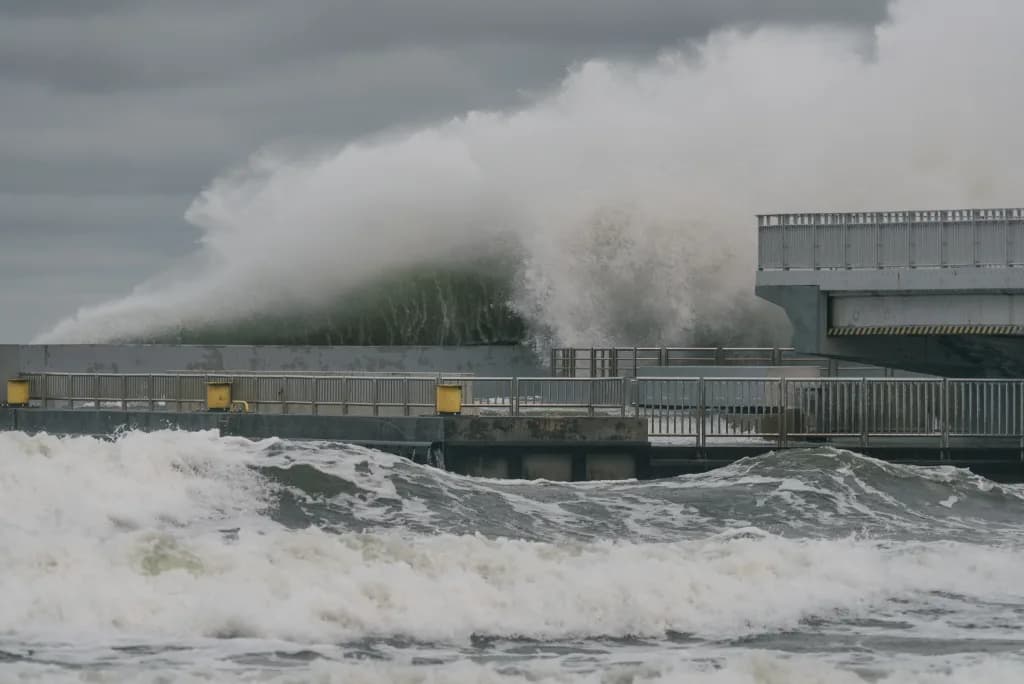
A Kelvin wave associated with El Niño began approaching the California coast between late September and early October 2026. Specialists predict it will temporarily raise sea levels and increase the risk of flooding and erosion, especially if it coincides with high tides or intense waves.
What Is a Kelvin Wave in California?
A Kelvin wave is a large-scale disturbance that displaces energy and warm water across the ocean. It does not resemble a wave that suddenly breaks onto the beach or a tsunami. As it propagates along the coast, it can maintain sea levels higher than usual for weeks or months.
According to AccuWeather, the process can begin when the winds that normally push surface water toward the western Pacific weaken. Part of that energy moves toward South America and continues northward along the coast. The phenomenon is related to El Niño, the periodic warming of the equatorial Pacific that alters weather patterns.


When and Where Are Effects Expected?
The ocean pulse was expected to first reach Southern California and advance toward the San Francisco Bay in early October. An analysis published by The New York Times estimated an initial rise of at least half a foot—about 6 inches—off the southern part of the state. Other forecasts, cited by AccuWeather, anticipate increases close to 1 foot in certain areas.
These figures describe possible increases in water level, not the height of a wave that will simultaneously hit all beaches. Nor do they equate to a prediction that every coastal home will flood. The impact will depend on terrain elevation, tides, waves, and weather conditions in each locality.
In the bay area, the National Weather Service warned about possible flooding of up to 1.2 feet above ground in low-lying areas near the coast and tidal channels. The alert included areas of San Francisco, San Pablo, and Monterey Bays. This measure of local flooding should not be confused with the general rise attributed to the Kelvin wave.
Why Does Flood Risk Increase?
The Kelvin wave adds to a sea level that has already risen over the long term. The National Oceanic and Atmospheric Administration (NOAA) calculates that the global average has risen between 8 and 9 inches since 1880. This global figure does not represent exactly what has occurred in each section of the California coast.
Canal oficial
Únete a nuestro canal de WhatsApp
Recibe las noticias más importantes al instante, sin spam. Solo lo que importa, cuando importa.

Comentarios
Inicia sesión para comentar
Es gratis y toma un minuto. Con tu cuenta también podés:
- Comentar y participar en la conversación
- Guardar notas para leer después
- Ver tu historial de lectura
- Recibir el boletín con tus temas favoritos