



How to Obtain Social Security Disability Benefits: Required Documents
Applying for Social Security disability benefits requires preparing medical, employment, personal, and financial documents. The SSA generally analyzes jobs performed during the previous 5 years, with an organized application reducing delays and errors during evaluation.

Anthony Astonitas
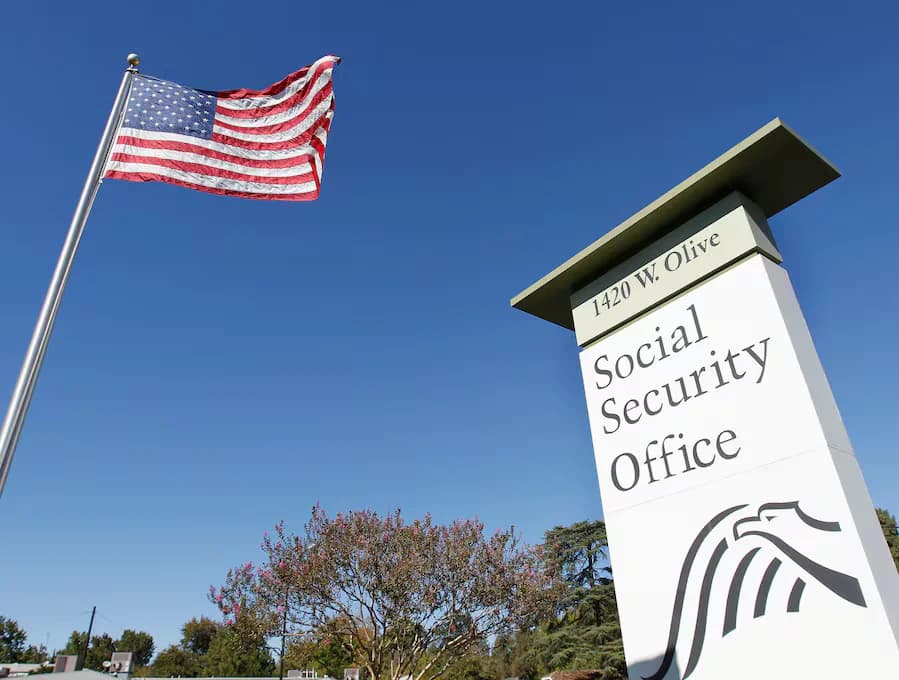
Applying for Social Security disability benefits requires preparing medical, employment, personal, and financial documents. The Social Security Administration (SSA) reviews this information to determine if the condition prevents work. In 2026, the agency generally analyzes jobs performed during the previous 5 years. An organized application does not guarantee approval, but it reduces delays and errors during evaluation.
What personal documents does the applicant need?
The SSA may request documents that confirm identity, birth, and immigration status. The applicant must gather their birth certificate or equivalent proof. They also need their Social Security number and evidence of U.S. citizenship or legal status. The SSA may request information about spouses, former spouses, and children.
This information helps review possible family benefits related to work history. People born outside the United States must submit documents proving their legal status. The SSA may accept certain immigration documents, depending on the applicant’s individual situation. It is advisable to keep originals and copies in a secure folder.
What medical information must be provided?
Medical evidence is an essential part of a disability application. The applicant must provide names, addresses, and phone numbers of doctors, hospitals, and clinics. They must also include dates of consultations, diagnoses, treatments, and medications used. The SSA generally develops a medical history of at least the previous 12 months. The agency may request earlier periods if they are relevant to evaluating the disability.
The person must explain how the condition affects their daily activities. They must also describe how much they can walk, lift, sit, concentrate, or communicate. Medical reports must explain functional limitations, not merely mention diagnoses. The SSA may request authorization to obtain records directly from providers.
What changed in work history?
For years, many people believed they had to report jobs from the last 15 years. The SSA modified that approach and generally requests jobs performed during the previous 5 years. The applicant must include the most recent position and continue backward chronologically.
The agency also asks for an explanation of the physical and mental tasks of each occupation. The SSA recommends including jobs of at least 30 days, unless instructed otherwise. The applicant must describe whether they used machinery, carried objects, or stood for long periods. They must also note when the condition began to limit their work capacity.
What income documents must you prepare?
The agency may request W-2 forms, tax returns, and pay stubs. Self-employed workers must gather their self-employment tax returns. They must also report work compensation, temporary benefits, and other payments related to a disability.
In 2026, Substantial Gainful Activity allows monthly income up to $1,690 for non-blind individuals. The monthly limit for legally blind individuals is $2,830. Exceeding these amounts can generally affect the disability evaluation. However, there are special rules for self-employed workers and particular employment situations.
What is the difference between SSDI and SSI?
Social Security Disability Insurance (SSDI) depends primarily on work history and accumulated credits. Supplemental Security Income (SSI) is directed at people with disabilities who have limited income and resources. SSI does not depend on work history in the same way as SSDI. A person may qualify for one program, both, or neither. Applicants must identify the correct program before completing forms.
What happens if a document is missing?
The SSA recommends not delaying the application simply because a document is missing. Some proof can be sent later or requested with the agency’s assistance. However, the applicant must inform which documents are missing and when they expect to provide them. They must also keep proof of submission, case numbers, and letters received. If the SSA rejects the application, the person
Canal oficial
Únete a nuestro canal de WhatsApp
Recibe las noticias más importantes al instante, sin spam. Solo lo que importa, cuando importa.

Autor
Anthony AstonitasDesarrollador de Software 12 años de experiencia
Comentarios
Inicia sesión para comentar
Es gratis y toma un minuto. Con tu cuenta también podés:
- Comentar y participar en la conversación
- Guardar notas para leer después
- Ver tu historial de lectura
- Recibir el boletín con tus temas favoritos