



Extreme Heat in Florida: What Agricultural Workers Need to Know
Agricultural work in Florida’s extreme heat and humidity increases the danger of pesticide poisoning, with scientists warning that high temperatures alter how chemicals are absorbed through skin and respiratory pathways. The combination of intense physical labor, dehydration, and agrochemical exposure poses both acute and chronic health risks to the state’s 150,000 farmworkers.

Anthony Astonitas
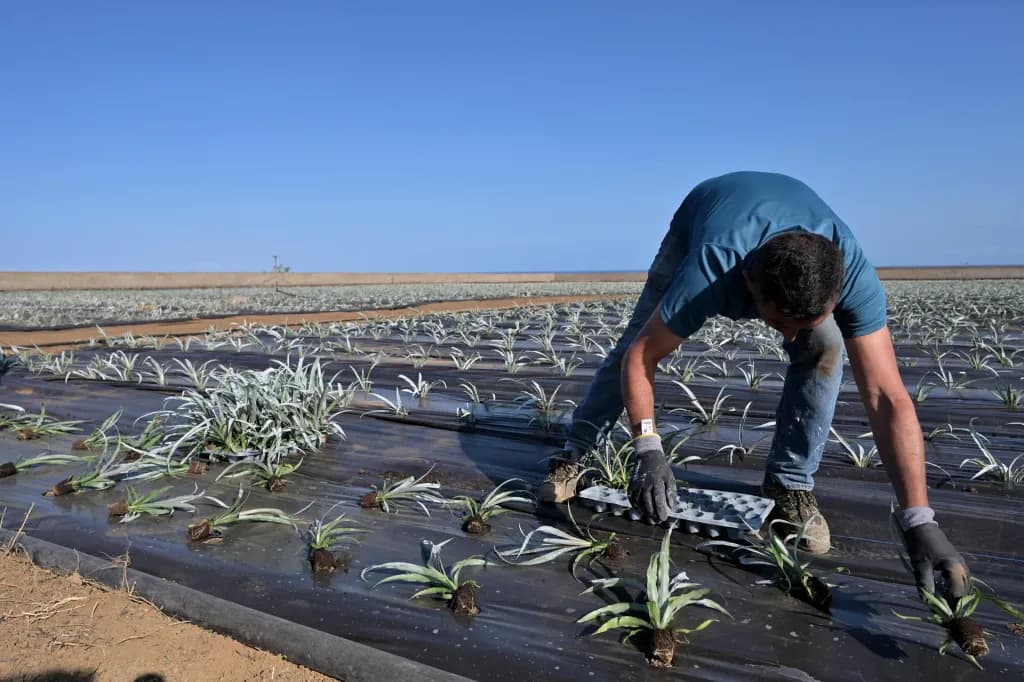
Agricultural work under high temperatures and humidity in Florida increases the danger of pesticide poisoning. Scientists and labor advocates warn that extreme heat alters the absorption of chemical substances through the skin and respiratory pathways.
The combination of intense physical effort, dehydration, and contact with agrochemicals raises the risk of acute emergencies and chronic damage to vital organs. Understanding medical prevention guidelines and basic labor rights is essential to protect more than 150,000 farmworkers in the state.
Why does heat increase the danger of pesticides?
High temperatures cause chemicals applied to crops to evaporate more rapidly, remaining suspended in the surrounding air. At the same time, the constant sweating caused by strenuous work dilates skin pores, facilitating the direct absorption of toxins.

Omanjana Goswami, researcher at the Union of Concerned Scientists (UCS), explained to WUSF radio that day laborers inhale toxic vapors while their skin absorbs additional residues. Additionally, heavy protective clothing reduces surface chemical contact but drastically increases thermal load on the body.
This situation creates a daily dilemma between protecting oneself from pesticides or tolerating oppressive environmental heat. The situation worsens because many crews work on piece rate and avoid breaks to avoid reducing their wage income. Walking long distances to drinking water containers also discourages timely hydration during morning and afternoon shifts.
What are the acute symptoms and long-term effects?
Combined exposure to heat and pesticides produces discomfort that can easily be confused with routine work fatigue. Among the most frequent acute signals are dizziness, muscle cramps, blurred vision, nausea, vomiting, headaches, and excessive sweating.

Jeannie Economos, coordinator of the Florida Farmworkers Association, warned in statements to Inside Climate News that dehydration affects the functioning of all body organs. Long-term, scientific studies link chronic pesticide contact to reproductive health problems, including miscarriages and low birth weight.
Additionally, researchers observe higher rates of neurodegenerative diseases such as Parkinson’s disease, diabetes, and certain types of cancer. Identifying these signals promptly allows the farmworker to be transferred to a medical facility before suffering permanent kidney failure. Crew members should be alert to disoriented behavior or sudden fainting spells by their colleagues in the field.
What labor and safety regulations exist?
In the regulatory sphere, the Occupational Safety and Health Administration (OSHA)
Canal oficial
Únete a nuestro canal de WhatsApp
Recibe las noticias más importantes al instante, sin spam. Solo lo que importa, cuando importa.

Autor
Anthony AstonitasDesarrollador de Software 12 años de experiencia
Comentarios
Inicia sesión para comentar
Es gratis y toma un minuto. Con tu cuenta también podés:
- Comentar y participar en la conversación
- Guardar notas para leer después
- Ver tu historial de lectura
- Recibir el boletín con tus temas favoritos