


Supreme Court Allows Trump to Veto Asylum Applications
The U.S. Supreme Court ruled 6-3 that the Trump Administration can reject asylum applications at the Mexico border, enabling stricter immigration enforcement. The decision fundamentally changes how asylum seekers can access the U.S. system by requiring them to physically arrive on U.S. soil rather than presenting at a border crossing.

Anthony Astonitas
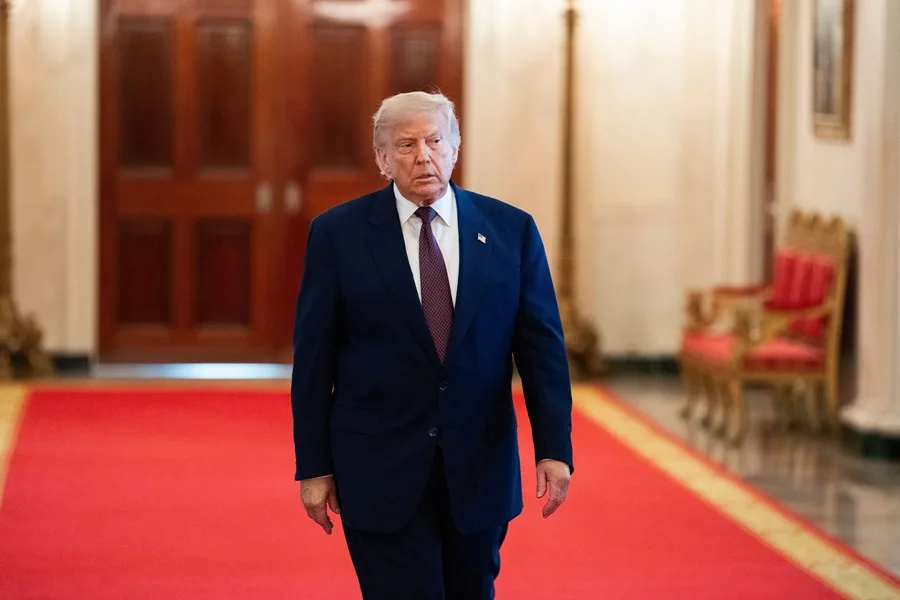
The U.S. Supreme Court allowed the Trump Administration to reject asylum applications at the border with Mexico. The decision opens the door to reinstate a tough immigration policy and once again intensifies the debate over who can seek refuge in U.S. territory.
The ruling was 6 votes against 3 and included the dissenting vote of the progressive justices. For the White House, it represents support for its strategy of reducing the number of migrants that must be processed at the southern border.
What Did the Supreme Court Decide?
The Court ruled that a person who remains in Mexico does not «arrive» in the United States simply by attempting to cross unsuccessfully. This interpretation allows border agents to prevent asylum seekers from gaining access before they set foot on U.S. soil.
For decades, federal law was understood differently. According to that historical interpretation, a person could seek asylum by presenting themselves at a border crossing if they feared persecution based on race, religion, nationality, or political views. The new standard changes that balance.
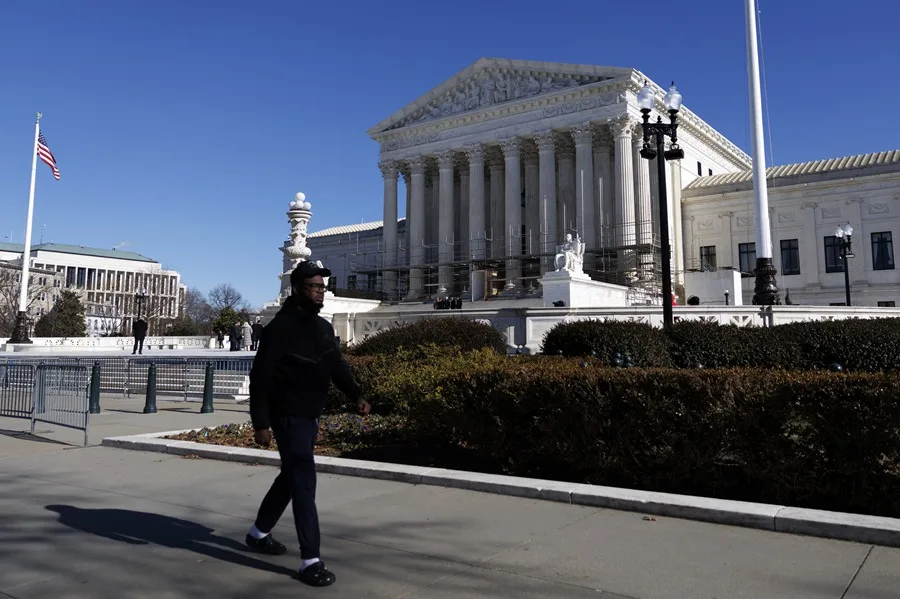
The ruling favors the Trump Administration, which requested reinstatement of a policy used for the first time in 2016. That measure, known as Title 42 expulsion, had halted the entry of applicants at southern border crossings, according to reports from AP and Reuters.
The U.S. Citizenship and Immigration Services explains that asylum protects people who are already in the U.S. or who seek access in accordance with applicable immigration law. The ruling, however, narrows the practical path to request it at the border.
Why Does It Matter for the Southern Border?
Because it changes the first entry point into the asylum system. If a person fails to cross or is detained on the Mexican side, they may be left out of the initial process. That reduces the number of cases the Government must evaluate.
The decision also places more power in the hands of border agents. They will be able to apply the criterion that there is no sufficient «arrival» if the migrant remains on the Mexican side. That point is the legal center of the case.
Canal oficial
Únete a nuestro canal de WhatsApp
Recibe las noticias más importantes al instante, sin spam. Solo lo que importa, cuando importa.

Autor
Anthony AstonitasDesarrollador de Software 12 años de experiencia