



U.S. Attacks on Iran Expand War in the Region
The war between the United States and Iran entered a new phase Thursday as Iran promised to punish Washington following fresh U.S. airstrikes that have expanded beyond Iran to affect bases, ports and maritime routes across the Middle East, raising concerns among American Latinos about higher gas and transportation costs.

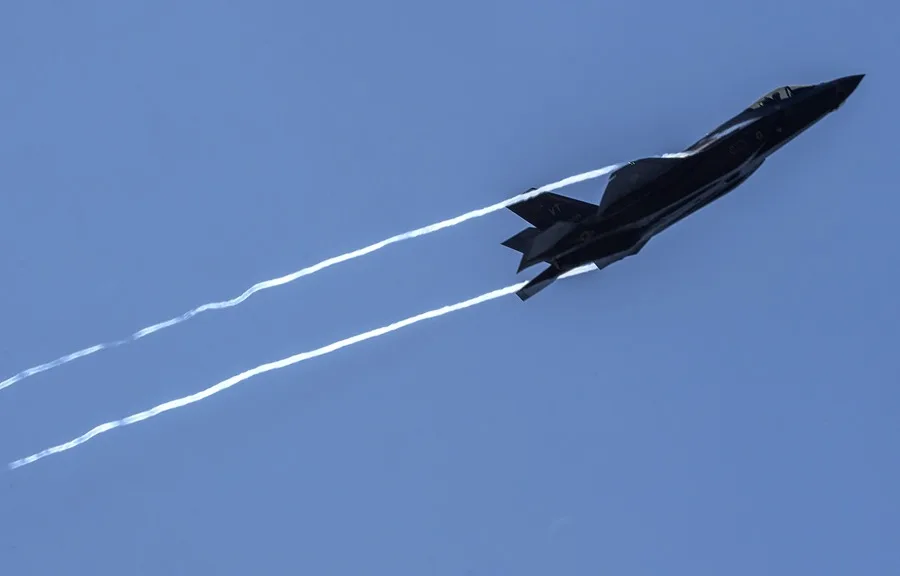
The war between the United States and Iran entered a new phase this Thursday. Iran promised to «punish» Washington after a new wave of U.S. attacks.
The escalation is no longer limited to Iran. It also reached bases, ports and maritime routes in Jordan, Kuwait, Egypt and other points in the Middle East. For Latinos in the United States, the conflict matters for a concrete reason. Each escalation in the war pushes up gasoline, transportation and, by extension, the cost of living.
What Triggered the New Escalation?
The Pentagon resumed airstrikes following Iranian strikes against U.S. bases in the region. The retaliation reignited a conflict that had experienced weeks of relative calm. According to Reuters, U.S. Central Command, known as CENTCOM, attacked dozens of targets belonging to Iran’s Revolutionary Guard.

The targets included military command centers, missile facilities, drone centers, coastal surveillance and maritime defense. Washington described the offensive as a «powerful» response to previous Iranian attacks. Iran responded with a direct threat. The Revolutionary Guard said it would punish the aggressor and that U.S. attacks would not go unanswered.
Tension also rose due to collateral damage in other countries. Jordan said it intercepted new attacks attributed to Iran, while Kuwait reported a bombing against a business building. In Egypt, a drone caused fires on 2 natural gas vessels in the port of Damietta. One of the ships was American and the other Greek.
Why Is the Strait of Hormuz Such a Concern?
The Strait of Hormuz returned to the center of the conflict. That maritime route is one of the most sensitive corridors in global energy trade. Before the war, about 20% of the world’s exported oil passed through that passage. The interruption of that corridor immediately impacted energy markets.

Reuters reported that oil prices had risen above $100 in previous weeks, precisely due to the threat to Hormuz and the Red Sea. The aftermath is already being felt in crude oil prices. Brent traded around $87.30 per barrel and WTI was at $83.70, according to Reuters.
Canal oficial
Únete a nuestro canal de WhatsApp
Recibe las noticias más importantes al instante, sin spam. Solo lo que importa, cuando importa.

Comentarios
Inicia sesión para comentar
Es gratis y toma un minuto. Con tu cuenta también podés:
- Comentar y participar en la conversación
- Guardar notas para leer después
- Ver tu historial de lectura
- Recibir el boletín con tus temas favoritos