



U.S. to Limit International Student Visas
The United States will fundamentally change international student visa rules beginning September 15, 2026, replacing open-ended status with a maximum 4-year admission period. Students will need to request formal extensions through federal immigration authorities rather than having universities simply update their visa documentation.

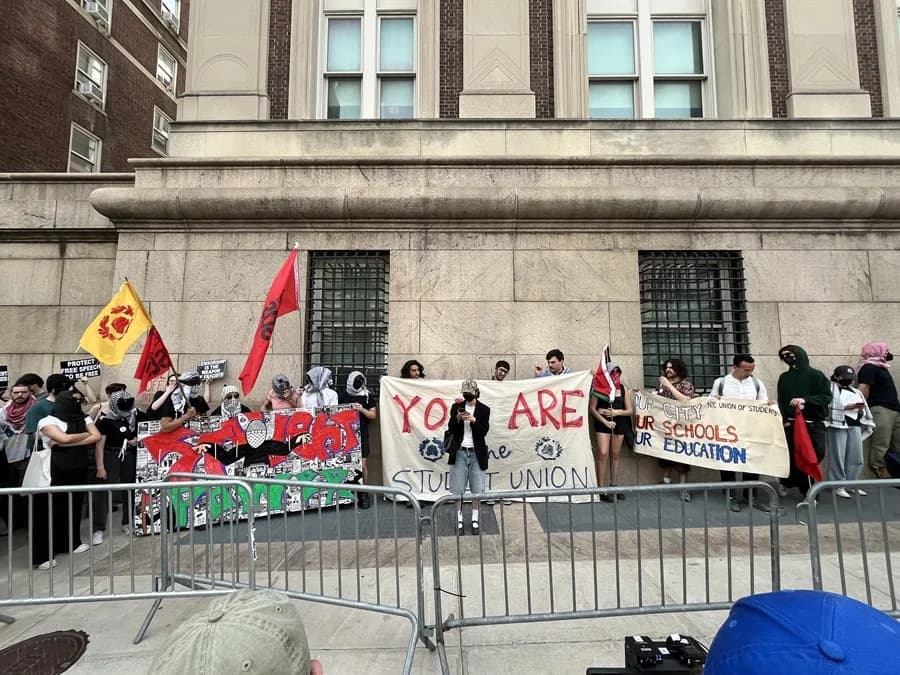
The United States will fundamentally change the rules for international students. Starting September 15, 2026, F visas will no longer be based on open-ended «duration of status.» Instead, a maximum admission period of 4 years will apply, with the option to request extensions from federal immigration authorities.
The final rule was published by the Department of Homeland Security (DHS) in the Federal Register under the title «Establishment of a Fixed Period of Admission and a Procedure for Extension of Stay for Nonimmigrant Academic Students, Exchange Visitors, and Foreign Media Representatives.» The measure will also impact J visa holders and certain media representatives with I visa. The DHS argues that the new model will allow better control over the stay of those studying in the country and combat potential abuses of the previous system.
What Changes in the Length of Stay for F Visa?
Under the new rules, students with F visas will be admitted for the duration of the academic program indicated on their Form I-20, provided that period does not exceed 4 years. Additionally, they will be granted a 30-day grace period before the start of the program and 30 days after its conclusion to leave the country or manage transfers. This scheme replaces the previous model, which allowed students to remain as long as they maintained student status, without a fixed departure date.

The reduction of the grace period is another key change. The DHS shortened the window after the end of the program or Optional Practical Training (OPT) from 60 to 30 days. This means students will have less time to arrange a transfer to another institution, prepare work applications, or manage their departure from the country.
The official justification points to strengthening national security and preventing students from remaining indefinitely by chaining academic programs. Secretary of Homeland Security Markwayne Mullin stated that the «duration of status» system created an environment conducive to fraud and that the new clear limits will allow better monitoring of nonimmigrants. However, university associations warn that the measure increases bureaucracy and uncertainty for those seeking to study at U.S. universities.
How Will Extensions Be Requested and What Happens with OPT?
Under the new scheme, those who need more time to complete their studies, change programs, advance academic levels, or participate in OPT—including the STEM career modality—will need to request a formal extension from the U.S. Citizenship and Immigration Services (USCIS) through Form I-539. It will no longer be enough for the university to update the I-20; a federal immigration review will be necessary with possible biometric revisions and background checks.

Canal oficial
Únete a nuestro canal de WhatsApp
Recibe las noticias más importantes al instante, sin spam. Solo lo que importa, cuando importa.

Comentarios
Inicia sesión para comentar
Es gratis y toma un minuto. Con tu cuenta también podés:
- Comentar y participar en la conversación
- Guardar notas para leer después
- Ver tu historial de lectura
- Recibir el boletín con tus temas favoritos