



San Diego Halts ICE: No Longer Able to Train at Local Shooting Ranges
San Diego County voted 3-2 to terminate contracts allowing ICE and CBP to train with weapons at local facilities, responding to criticism about deportation policies and the use of force during federal operations. However, the measure faces immediate dispute as the sheriff’s chief announced CBP will continue using a specific training center.

Anthony Astonitas
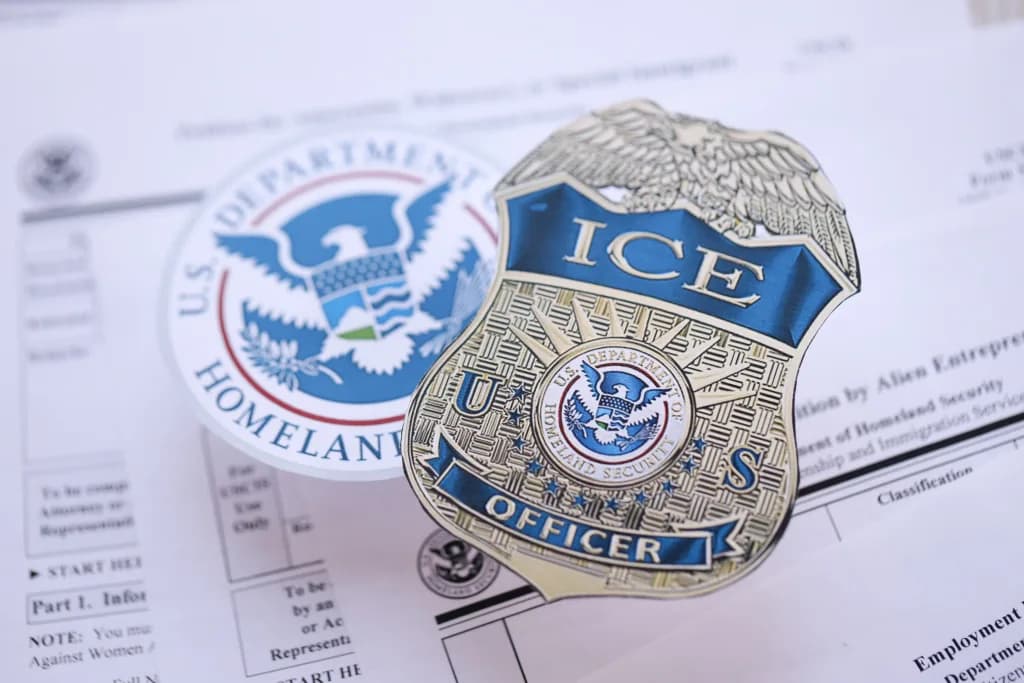
San Diego County decided to terminate contracts that allowed ICE and CBP to train with weapons at local facilities. The Board of Supervisors approved the measure by a vote of 3 to 2, after hearing complaints from residents and immigrant advocacy organizations.
The decision responds to criticism against deportation policy and the use of force during federal operations. However, the measure faces immediate dispute because the sheriff’s chief announced that CBP will continue using a specific shooting range.
What Did the Board of Supervisors Decide?
The Board ordered the county administrator to cancel 3 agreements related to training facilities. One allowed CBP to use the Regional Firearms Training Center since 2017. Another authorized ICE to use that same center since 2021.
The third agreement allowed ICE to train at the Miramar range, a Navy facility leased by the county. The agreements will terminate 10 days after the federal government receives official notification from the county. The vote was promoted by supervisors Terra Lawson-Remer and Paloma Aguirre. Both argued that local resources should not support the federal deportation campaign.
Why Did San Diego Decide to End the Contracts?
Supervisors in favor of the measure said that federal immigration operations eroded the trust of immigrant communities. Monica Montgomery Steppe stated that the county does not want to become complicit in those actions. Residents also questioned federal agents training with weapons at facilities funded and managed locally.
The region has more than 3 million residents and shares a heavily trafficked border with Mexico. Terra Lawson-Remer summarized the position of supporters with one phrase: «Our community is a home, not a target.» Officials supporting the measure also noted that federal training should be paid for with federal funds.
What Does the Sheriff’s Chief Say About CBP?
Kelly Martinez reported that ICE will no longer be able to use the sheriff’s facilities for weapons training or qualifications. The sheriff-elect justified that decision based on concerns expressed for months by the community.
However, she announced that CBP will continue using the Otay Mesa Regional Firearms Training Center. Martinez explained that CBP performs functions related to border security, commerce, and international travel. This position partially contradicts the Board of Supervisors’ directive. The disagreement could generate a legal and administrative dispute over who controls access to the range.
What Impact Could This Have on the Border?
Rodney Scott, director of CBP, stated that the agency relies on the range to train 1,700 agents. According to Scott, relocating that mandatory training could reduce available personnel at ports of entry.
The agency warned that this reduction could increase wait times for workers, students, and families who cross daily. CBP also noted that agents accumulated more than 3,300 training hours at the center since 2024.
Jim Desmond, a supervisor who voted against the measure, argued that joint training strengthens security. «ICE has overstepped, but that’s fixed with more training,» he declared. The contracts represented more than $120,000 annually for the county, according to local reports.
What Does This Measure Mean for Immigrants?
The decision does not eliminate ICE’s federal powers or stop its operations in San Diego. Nor does it make the county a jurisdiction that can completely prevent federal actions. Its direct effect is limited to the use of local facilities for weapons training and certification.
For the Latino community, the change holds mainly political and symbolic value. The supervisors aim to demonstrate that local police are not automatically part of federal immigration enforcement. Immigrant individuals must continue knowing their rights and preparing a family plan in case of possible operations.
Learn more at Nueva News
Canal oficial
Únete a nuestro canal de WhatsApp
Recibe las noticias más importantes al instante, sin spam. Solo lo que importa, cuando importa.
Etiquetas

Autor
Anthony AstonitasDesarrollador de Software 12 años de experiencia
Comentarios
Inicia sesión para comentar
Es gratis y toma un minuto. Con tu cuenta también podés:
- Comentar y participar en la conversación
- Guardar notas para leer después
- Ver tu historial de lectura
- Recibir el boletín con tus temas favoritos