


Key Points in the Supreme Court Ruling on Birthright Citizenship
The U.S. Supreme Court will soon rule on President Donald Trump’s attempt to limit birthright citizenship, a decision that could alter a constitutional interpretation in place for…

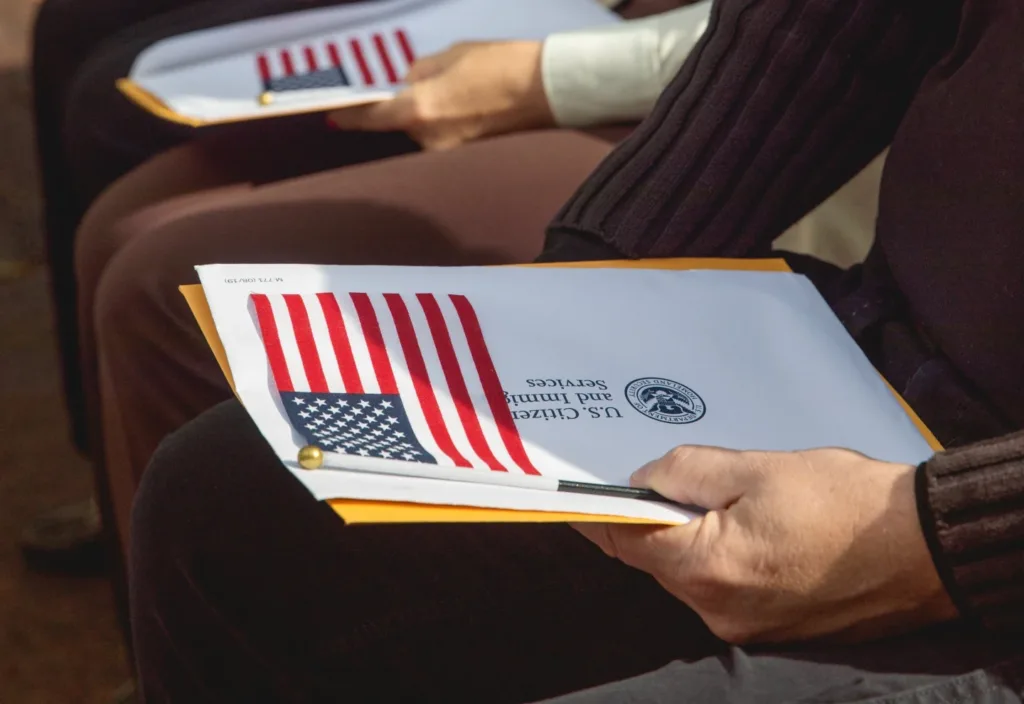
The U.S. Supreme Court will soon issue a ruling on President Donald Trump’s attempt to limit birthright citizenship. This important decision could change a constitutional interpretation that has been in effect for over a century and deeply affect thousands of children born each year.
What is Birthright Citizenship?
Birthright citizenship is directly based on the legal principle of ius soli, or right of the soil. This means a child automatically acquires the nationality of the country where they are born. In the United States, this right applies to all babies born on its vast national territory. The parents’ immigration or legal status has never been a decisive factor.
For the approximately 3.6 million children born each year in U.S. hospitals, a birth certificate is sufficient for everything. That single document serves to obtain a Social Security number, a passport, and various early childhood benefits. Later, it also functions as solid proof of citizenship for working or entering military service.

The opening sentence of the Citizenship Clause of the 14th Amendment clearly establishes the rules. Citizens are «all persons born or naturalized in the United States and subject to its jurisdiction.» According to Associated Press reporting, the traditional interpretation includes the children of unauthorized or temporarily status immigrants.
What Does President Donald Trump Propose?
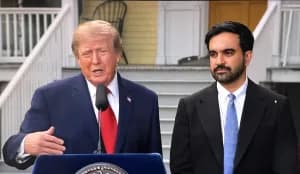
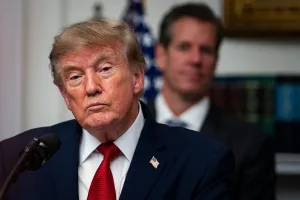
Trump signed a controversial executive order on the first day of his current second term. His main legal argument is that children of non-citizen persons who are in the country illegally or temporarily are not truly «subject to the jurisdiction» of the country. Therefore, he firmly maintains that these babies do not have automatic rights to national citizenship.
The order would restrict this valuable right solely to babies born to U.S. citizens. It would also include children of legal permanent residents who have established provable domicile in the country. According to Associated Press reporting, the strong limitation would also reach legal persons, such as international students or foreign tourists.
Trump vigorously defended his proposal through the popular Truth Social platform in April. He claimed that the United States is the only country in the world that permits birthright citizenship by automatic right of birth. However, data shows that approximately three dozen countries, especially in the Americas, maintain laws quite similar to the U.S. law.
How Would the New Procedure Affect?
If the Court allows the or
Canal oficial
Únete a nuestro canal de WhatsApp
Recibe las noticias más importantes al instante, sin spam. Solo lo que importa, cuando importa.

Comentarios
Inicia sesión para comentar
Es gratis y toma un minuto. Con tu cuenta también podés:
- Comentar y participar en la conversación
- Guardar notas para leer después
- Ver tu historial de lectura
- Recibir el boletín con tus temas favoritos