



Chaos in ICE Operations: What Are the New Tactics?
Community organizations report changes in ICE operations, with large visible deployments being replaced by quick and discreet arrests using unmarked vehicles and surveillance at unexpected times. This strategy makes it harder for community alert networks to respond and increases uncertainty among families unfamiliar with their rights.

Anthony Astonitas
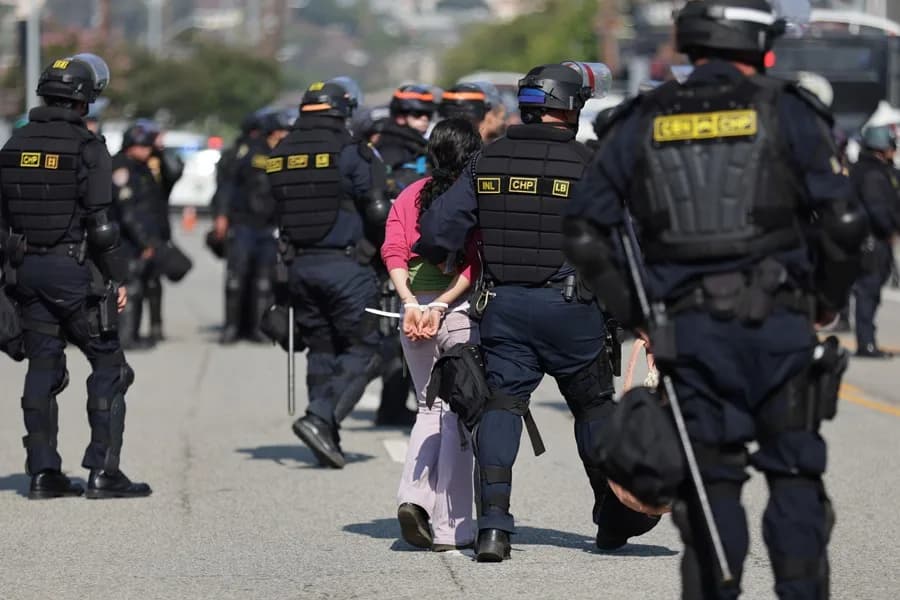
Community organizations report changes in the way ICE operates. Large visible deployments appear to be giving way to quick and discreet arrests. Reports describe agents in barely identifiable clothing, unmarked vehicles, and surveillance at unexpected times.
This strategy makes it difficult for community alert networks to respond. It also increases uncertainty among families who are unaware of their rights. Available information comes from organizations and media outlets. ICE does not publicly confirm each operation or each report circulated on social networks.
What Changed in Recent Arrests?
During 2025 operations, authorities used tactical vehicles and large groups. Visible presence generated protests and immediate alerts. Now, organizations like CHIRLA describe detentions carried out in minutes. Agents arrive, arrest the person, and quickly leave the scene.

Jorge Mario Cabrera, CHIRLA’s director of communications, said that community networks forced ICE to change its strategy. «They were taking too long and making a spectacle,» Cabrera said during an interview distributed by Hispanic media outlets. The organization now prioritizes verified alerts and legal support.
Federal authorities maintain that ICE detains people who violated immigration laws. However, civil organizations question the scope of several operations. Reports do not prove that all operations use the same tactic. Each city may have different procedures. The community must differentiate between confirmed information and rumors. A post without a date, location, or witnesses can cause unnecessary panic.
How Do They Use Discreet Surveillance?
Community organizations reported unknown vehicles near residential areas. They also described patrols at unusual times. We Keep Us Safe alerted about activity in Ontario, California. The group asked people to observe tinted vehicles and document information without putting themselves at risk. Surveillance may seek to identify patterns of routine. Agents could observe work schedules, routes, and frequent locations before attempting an arrest.
Unmarked vehicles alone do not prove they belong to ICE. The community should avoid confronting drivers or pursuing suspicious vehicles. People should document from a safe distance. It is advisable to record the time, location, vehicles, and number of agents.
Social media can help spread alerts. However, messages should protect the identity of affected people. Do not post faces, documents, or addresses without consent. That information can increase the risk of exposure.
What Role Do Traffic Stops Play?
Some reports point to arrests following traffic checkpoints. In those cases, ICE can intervene after a stop initiated by another authority. A traffic violation does not automatically make a person deportable. However, contact can reveal an order
Canal oficial
Únete a nuestro canal de WhatsApp
Recibe las noticias más importantes al instante, sin spam. Solo lo que importa, cuando importa.

Autor
Anthony AstonitasDesarrollador de Software 12 años de experiencia
Comentarios
Inicia sesión para comentar
Es gratis y toma un minuto. Con tu cuenta también podés:
- Comentar y participar en la conversación
- Guardar notas para leer después
- Ver tu historial de lectura
- Recibir el boletín con tus temas favoritos