

Gas at $4: How to Build a Savings Budget?
Gasoline prices have risen to $4 per gallon nationally due to international tensions, placing additional financial strain on families already struggling with high food and housing costs. Financial experts recommend identifying the exact impact on monthly budgets and adjusting non-essential expenses rather than turning to credit cards to cover the difference.

Anthony Astonitas
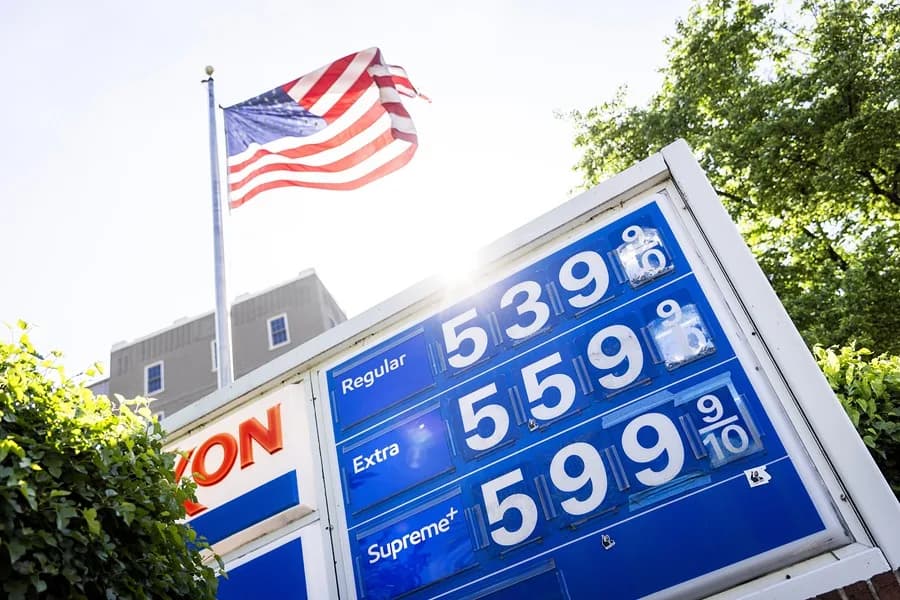
Gasoline prices rose again and reached $4 per gallon on average nationally. The trend responds to international tensions, especially between the United States and Iran, which have pushed oil prices above $100 per barrel.
The increase at service stations represents an additional burden for millions of families already facing high prices for food and rent. The pressure is greater for those who depend on automobiles for work or daily transportation.
For Hispanic households, which allocate a significant portion of their income to transportation and basic services, the challenge is to adjust monthly expenses without accumulating debt. Financial advisors recommend organizing the budget before panic sets in.
Why is the price rising and who is most affected?
The main reason behind the increase is recent geopolitical tensions threatening global oil supply. When the crude oil barrel price rises, refineries pass that cost on to the gallon purchased by drivers at service pumps. The impact is not the same for everyone. Evan Potash, an advisor at TIAA Wealth Management, explained that low-income individuals and those living paycheck to paycheck are the most affected. These families already struggle with housing and daily food costs.
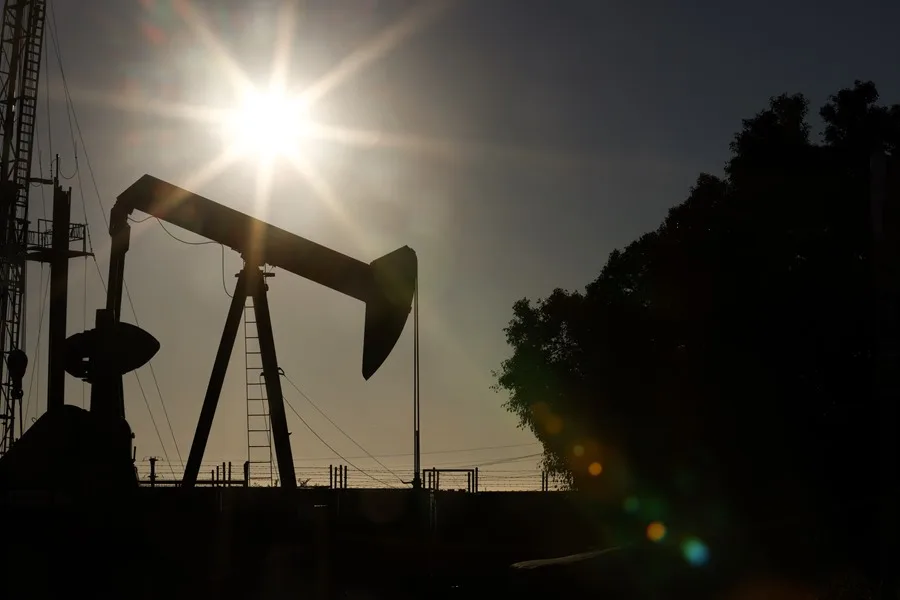
Extra expenses can throw finances off balance if not anticipated. Matt Twiford, financial director at Pegacorn Group, calculated that a sudden increase in fuel typically adds between $40 and $100 per month for a regular driver. Knowing that real figure is key. Twiford stated that identifying the exact impact allows knowing how much to adjust in other areas, rather than cutting expenses excessively out of fear.
How to adjust the budget without using a credit card?
The first step is to record all income and fixed expenses to know how much margin remains available. If gasoline requires $50 more per month, that money should come from a non-essential expense, such as dining out or subscriptions. Experts warn against using credit cards to cover the difference at the pump. Although some cards offer points or cash back, the financial cost can erase those benefits if the full balance is not paid by month’s end.
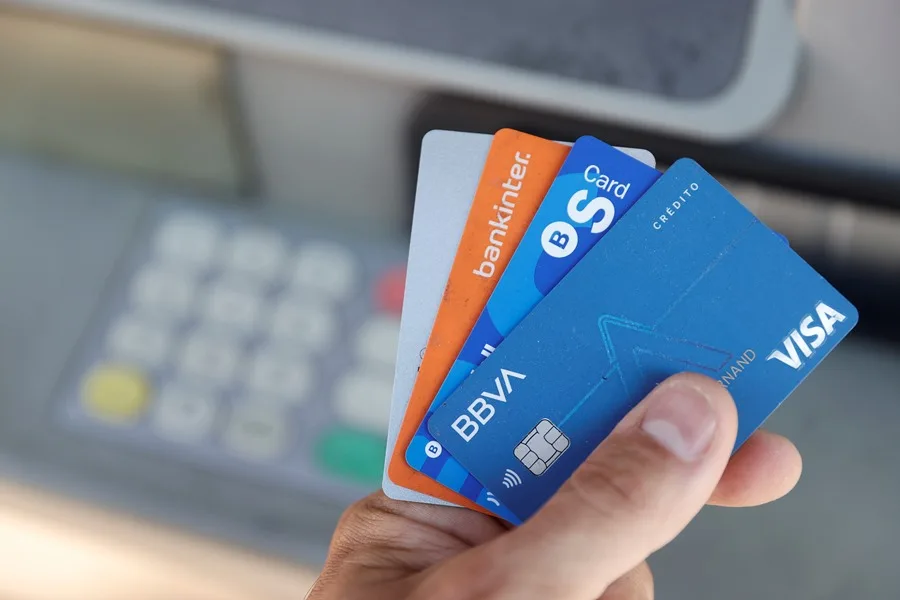
Steven Min, credit director at Credit One Bank, pointed out that if the additional $75 at the pump forces the driver to incur rotating debt, the customer could end up paying interest for much longer than the price increase lasted.
Canal oficial
Únete a nuestro canal de WhatsApp
Recibe las noticias más importantes al instante, sin spam. Solo lo que importa, cuando importa.

Autor
Anthony AstonitasDesarrollador de Software 12 años de experiencia