



China Denies Electoral Interference in U.S.
China’s Foreign Ministry rejected accusations of electoral interference in the United States on Friday, with spokesperson Lin Jian calling President Trump’s claims a «complete falsehood» and urging Washington to stop using China as an electoral campaign topic.

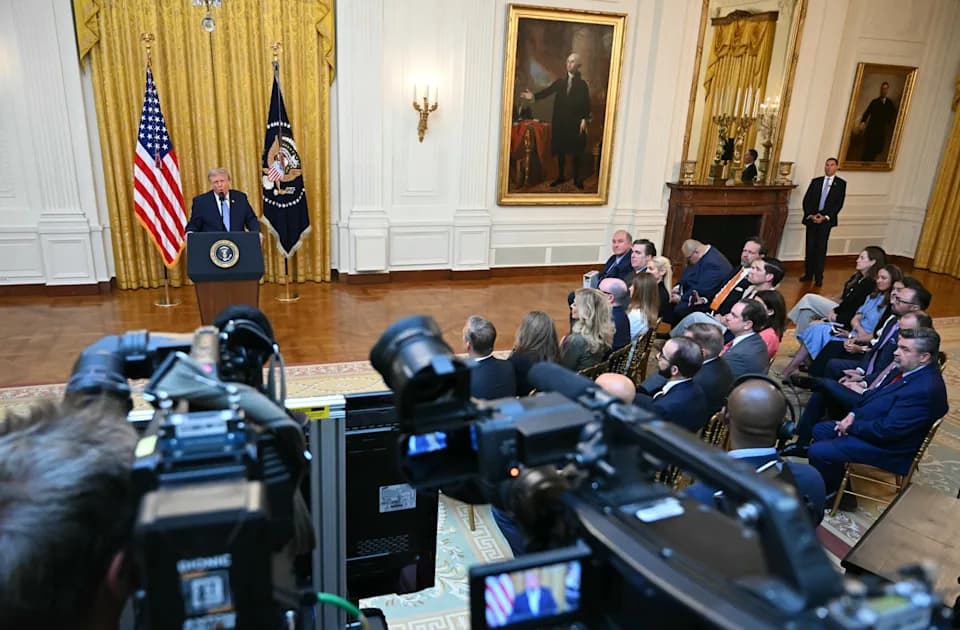
The Chinese Government rejected accusations of electoral interference in the United States on Friday. The allegations were made a day earlier by President Donald Trump. Beijing characterized the statements by the American president as a «complete falsehood.» The response came forcefully during an official press conference. Chinese Foreign Ministry spokesperson Lin Jian was tasked with responding publicly. His statements marked a new episode of tension between the two powers.
Beijing Demands Washington Stop Using China as Electoral Campaign Topic
Lin Jian declared that China «has no interest and has never interfered» in U.S. elections. The statement sought to directly refute Trump’s accusations. The spokesperson urged Washington to contribute to the development of bilateral relations. Instead, he said, the United States prefers to «use China as an electoral campaign topic.» For Lin, the statements by the American president are «pure invention.» He also characterized them as «a malicious defamation campaign» without any foundation.
China Questions U.S. Global Surveillance
The spokesperson went further in his response. He openly questioned who actually intervenes in the internal affairs of other countries. «Who is it that frequently intervenes in the internal affairs of other countries?» Lin asked during the conference. He also questioned who has indiscriminately surveilled governments and citizens worldwide. Through these questions, the spokesperson called on the United States to engage in «self-criticism.» The message sought to reverse the narrative pushed by the White House.
A Call to Improve Bilateral Relations
Lin Jian closed his remarks with a direct appeal. He asked Washington to «stop unfoundedly defaming China.»
The spokesperson also urged the United States to «do more things» that contribute to the development of bilateral relations. His message reflected Beijing’s interest in avoiding further escalation.
However, diplomatic tension between both countries does not appear to be diminishing. Trump’s accusations add to a long list of recent friction between the two nations.
The Shadow of Xi Jinping’s Visit to the United States
The spokesperson avoided answering whether Trump’s statements would affect Xi Jinping’s upcoming visit. The Chinese president is scheduled to travel to the United States in late September. This ambiguity sparked speculation among international analysts. Many wonder whether the meeting between both leaders could be compromised by the current dispute. Xi’s visit had been viewed as an opportunity to ease relations. Now, the episode of electoral accusations could complicate that diplomatic scenario.
Trump Linked China to 2020 Elections
Trump’s statements came Thursday in a message issued from the White House. The speech was broadcast during prime time and generated broad media coverage. The president focused much of his remarks on alleged foreign threats. He claimed that intelligence information showed China’s attempts to influence the 2020 elections. Trump lost that election to Democrat Joe Biden. According to the president, China would have fabricated false documents to facilitate illegal votes during that electoral process.
Unverified Documents Support the Accusations
Nevertheless, the documents cited by the White House do not offer compelling evidence. They describe unverified allegations and internal assessments that questioned the reliability of some sources. Additionally, years earlier U.S. security agencies had ruled out that foreign actors altered electoral results. This precedent directly contradicts the narrative presented by Trump this week. The discrepancy between the new accusations and previous intelligence reports has generated doubt. Several analysts question the solidity of the evidence presented by the current administration.
Trump Also Questioned the Domestic Electoral System
During his remarks, Trump not only pointed at China. He also questioned the reliability of the U.S. electoral system itself. The president attacked mail-in voting, a method he has repeatedly criticized in the past. He also linked irregular immigration to the security of electoral processes. At the same time, he pressured Congress to approve a law that would restrict voting. The initiative seeks to be implemented before the midterm elections scheduled for next November. The episode adds to a series of prior tensions between Washington and Beijing. Both governments will have to define in the coming weeks whether the diplomatic conflict escalates or can be contained before Xi Jinping’s visit.
Canal oficial
Únete a nuestro canal de WhatsApp
Recibe las noticias más importantes al instante, sin spam. Solo lo que importa, cuando importa.

Comentarios
Inicia sesión para comentar
Es gratis y toma un minuto. Con tu cuenta también podés:
- Comentar y participar en la conversación
- Guardar notas para leer después
- Ver tu historial de lectura
- Recibir el boletín con tus temas favoritos