



What document do you need to leave Tijuana, Mexicali or Juárez toward the U.S.?
Mexican and U.S. immigration authorities have tightened controls at border crossings in Tijuana, Mexicali and Ciudad Juárez, requiring travelers to have complete documentation including valid passports, Border Crossing Cards, or appropriate visas to cross into U.S. territory.

Anthony Astonitas
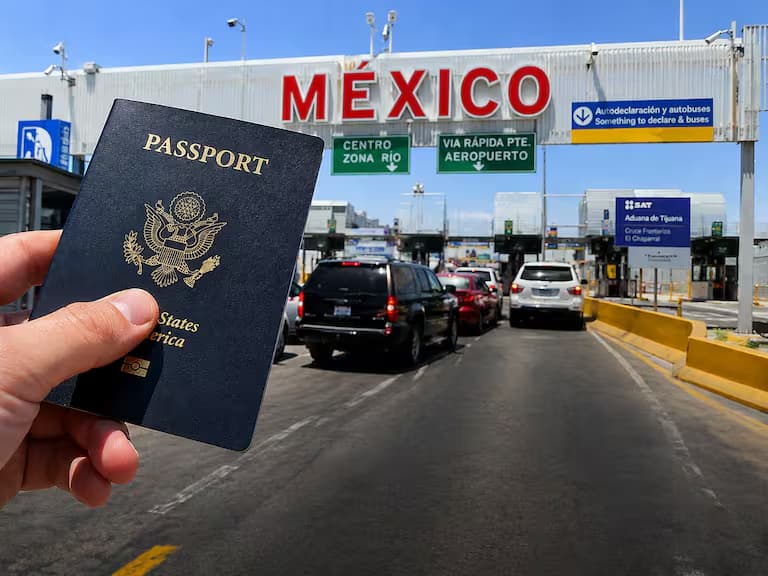
Mexican and United States immigration authorities tightened controls in Tijuana, Mexicali and Ciudad Juárez this week. The warning is clear: without complete documentation, thousands of travelers will not be able to cross the border into U.S. territory.
The measure primarily affects Mexican citizens who postponed renewing their passport. It also impacts those attempting to cross with documents that no longer meet current immigration requirements.
The National Immigration Institute (INM) and the U.S. Customs and Border Protection (CBP) reinforced document review at ports of entry. Below, we explain what document you need depending on your destination and type of travel.
Basic requirements for crossing the border
There are two main document routes for traveling without geographic restrictions. The first is to present the BCC (Border Crossing Card) card along with a valid Mexican passport.
The second option is to travel with a Mexican passport and B1/B2 visa, also known as a tourist or business visa. This combination allows entry by land, air or sea without zone limitations.
The BCC card, when used as an independent document, is only valid at land crossings. Its use is limited to specific border zones, so it is advisable to check the limits before planning any route.
The geographic limits of the BCC card
The BCC allows you to stay in the border zone up to 30 days per visit, without needing to process additional documents. But that freedom has precise boundaries within U.S. territory itself.
In California, the limit is 25 miles from the border line. In Arizona, on the other hand, the permitted zone extends to 75 miles. In New Mexico, the reach extends to 55 miles or up to Interstate 10, whichever is further north.
Those traveling outside those areas without the I-94 permit may face immigration sanctions. The I-94 form is the official entry and exit record that authorizes longer stays or travel outside the border zone.
How to cross from Tijuana to California
From Tijuana, the San Ysidro crossing, also known as El Chaparral, is the world’s busiest land port of entry. It operates 24 hours a day and accepts both vehicular and pedestrian traffic.
Otay Mesa records lower traffic than San Ysidro and is ideal for vehicular crossings. Its usual hours are 6:00 a.m. to 10:00 p.m., although it is advisable to confirm current hours before traveling.
The Cross Border Xpress (CBX) is an exclusive pedestrian bridge for Tijuana Airport passengers, available 24 hours. It requires a valid passport, valid U.S. visa, boarding pass and CBX ticket, which is valid for one year from purchase. If the stay exceeds 30 days or the traveler goes more than 40 kilometers inland, they will also need the I-94 permit.
The crossings available in Mexicali
More than 50,000 people cross daily through the Mexicali gates toward Calexico, California. Since June 2025, access in the downtown area is via Colón Street.
The Ready Lane enters via that same Colón Street, while the SENTRI lane, for pre-approved travelers, is located at Río Nuevo. This gate will have active remodeling until 2029, so additional delays may occur.
In Nuevo Mexicali, known as Calexico East, the gate has greater vehicle capacity. Since March 2025, the I-94 permit request must be initiated through the pedestrian gate on the Mexican side before crossing.
The crossing options in Ciudad Juárez
Ciudad Juárez offers several alternatives depending on the final destination in El Paso, Texas. The Paso del Norte bridge, also called the Santa Fe Bridge, is the most central and busy, with direct vehicular and pedestrian access to downtown El Paso.
The Zaragoza-Ysleta crossing, located to the southeast, usually records shorter wait times than Paso del Norte. It is a practical option for those heading to commercial areas in that zone.
The Bridge of the Americas, known as BOTA, does not charge a toll and allows pedestrian and vehicular crossing 24 hours. The historic Stanton-Lerdo bridge, also called the Bridge of Friendship, is exclusively pedestrian and directly connects the centers of both cities.
SENTRI: the fast track for frequent travelers
The SENTRI program (Secure Electronic Network for Travelers Rapid Inspection) allows pre-approved travelers to use dedicated lanes at southern border ports of entry. It significantly reduces wait times for those who cross regularly.
All applicants must pass rigorous background verification and a in-person interview before enrolling. The process includes a review of residential history for the past five years and, if a vehicle is registered, proof of valid insurance in the United States.
The program cost is $120 per adult, valid for five years. Minors under 18 can enroll at no cost, as long as a parent or legal guardian is also a member or applies at the same time. Before traveling, verify that your docum
Canal oficial
Únete a nuestro canal de WhatsApp
Recibe las noticias más importantes al instante, sin spam. Solo lo que importa, cuando importa.

Autor
Anthony AstonitasDesarrollador de Software 12 años de experiencia
Comentarios
Inicia sesión para comentar
Es gratis y toma un minuto. Con tu cuenta también podés:
- Comentar y participar en la conversación
- Guardar notas para leer después
- Ver tu historial de lectura
- Recibir el boletín con tus temas favoritos