



U.S. Visas: Countries That Will Pay $15,000 Deposit
The U.S. State Department is requiring citizens of 50 nations, including Nicaragua, Cuba, and Venezuela, to deposit $5,000 to $15,000 as bonds when applying for B1 and B2 visas, effective April 2, 2026, as part of efforts to reduce visa overstays. The deposit is fully refundable if visitors leave the country within their legal timeframe, but will be forfeited if they remain unlawfully.

Anthony Astonitas
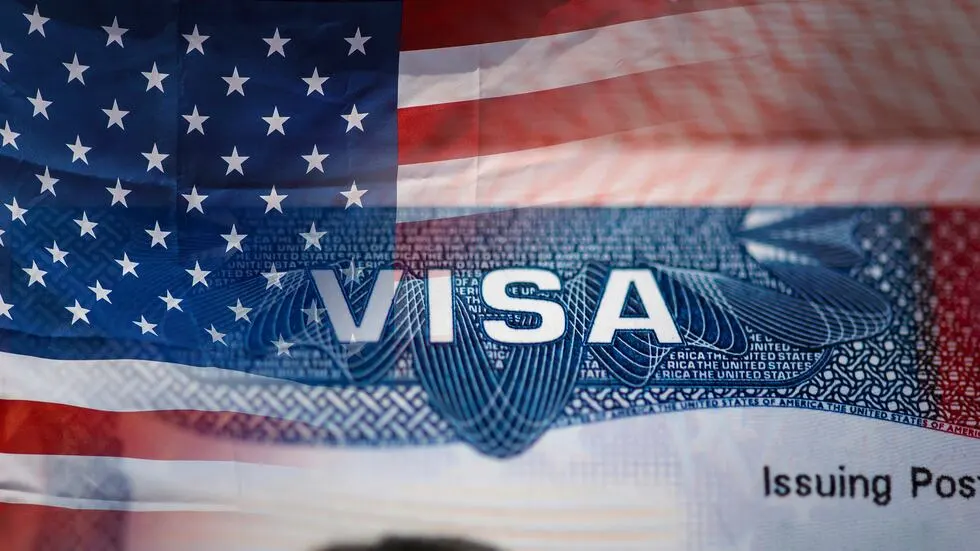
The landscape for those wishing to visit the United States for tourism or business purposes is changing dramatically in 2026. The State Department recently announced a major update to its border security policies. This measure includes the requirement of significant economic bonds for citizens of specific nations. Applicants for B1 and B2 visas could be forced to deposit amounts ranging between 5,000 and 15,000 dollars. This provision aims to ensure that visitors leave U.S. territory before their legal permit expires.
The news generates a mix of concern and urgency in the Latino community, especially for those with relatives in Nicaragua, Cuba, and Venezuela. The stated objective of the authorities is to reduce overstay rates, a technical term referring to those who remain in the country after their visa expires. According to official guidelines published on the State Department portal, this regulation will take effect on April 2 next. For many, this represents a financial barrier that redefines the possibilities of a temporary trip to the North American nation.
The implementation of this program is not entirely new, but its current expansion is notable. The immigration bond system was originally established during the Donald Trump administration. After various internal assessments, the current government decided to maintain and expand the list of countries subject to this requirement. Authorities argue that the measure has shown positive results in controlling irregular stays. However, for the average citizen, the challenge of gathering such sums of money becomes the center of current migration conversation.

Which are the countries whose citizens will have to pay the bond to apply for a visa?
The list updated by the U.S. government now includes 50 nations from various continents. This listing is based strictly on migration compliance statistics collected by the Bureau of Consular Affairs. Among the Latin American and Caribbean countries that stand out in this new phase are Nicaragua, Cuba, and Venezuela. Also featured are nations from Africa, Asia, and the Caribbean such as Grenada, Georgia, Ethiopia, and Tunisia. The selection is based on annual reports that identify high percentages of people who do not return to their countries of origin on time.
According to the official notice of March 18, 2026, the obligation affects exclusively the B1 (business) and B2 (tourism) categories. That is, if you apply for a visa for a professional conference or to visit theme parks, you could be subject to this deposit. The complete list is reviewed periodically, which means other countries could enter or leave the list depending on their future migration behavior. The transparency in this data seeks to encourage foreign governments to also incentivize the return of their citizens.
It is important to clarify that not all applicants from these countries will automatically pay the same amount. The exact amount of 5,000, 10,000, or 15,000 dollars will be determined by the consular officer during the interview. This individual risk analysis takes into account the applicant’s economic and social ties to their country of origin. If the official perceives a high risk that the person will attempt to stay in the United States, they will apply the deposit as a financial guarantee of return.
Highlighted Countries Subject to the New Bond Requirement (2026)
| Region | Included Countries (Examples) | Effective Date |
| Latin America | Nicaragua, Cuba, Venezuela | April 2, 2026 |
| Caribbean | Grenada | April 2, 2026 |
| Europe/Asia | Georgia, Mongolia, Armenia | April 2, 2026 |
| Africa | Ethiopia, Mozambique, Tunisia | April 2, 2026 |
How does the deposit and refund process work operationally?
The functioning of the bond is preventive and must be completed before the visa is physically issued. Once the consul determines that the profile requires the guarantee, the applicant must make the deposit through authorized financial channels. This money remains in the custody of the U.S. government throughout the visitor’s stay. It is vital to keep all payment receipts, as these will be necessary to claim the return of capital once the trip is completed.
The good news for those who follow the rules is that the bond is fully refundable. The State Department indicates that the refund is made after confirming that the visa holder left U.S. territory within the legal timeframe. Money is also returned if the visa application is denied for other reasons before traveling. However, if the person decides to stay irregularly or violates the terms of their stay, the government may retain the entire bond in accordance with current regulations.
This operational process adds a layer of complexity to the traditional consular procedure. Applicants must provide not only the cost of the visa application fee (DS-160 form), but also the availability of this liquid capital. The State Department emphasizes that the policy does not constitute an economic penalty, but rather a border management tool. According to data from CNN, this type of measure aims to professionalize migration flow and reduce the administrative burden of deportation processes.
Why is this measure being implemented and what do official statistics say?
The primary reason behind this policy is the strengthening of national security and the integrity of the visa system. The government uses annual migration reports to identify which nationalities present higher rates of non-compliance. According to the State Department, «the decision is based on migration compliance data and the need to strengthen control mechanisms.» It is not an arbitrary decision, but rather a technical response to overstay statistics that affect federal resource planning.
The results of previous pilot programs have been striking for authorities. According to official reports, 97% of applicants who deposited the bond left the country within the legal timeframe. This figure represents a significant improvement compared to groups that were not subject to the deposit in previous years. The logic is simple: the financial incentive of recovering up to 15,000 dollars is strong enough to encourage compliance with immigration laws.
Despite the statistical effectiveness, civil rights organizations such as the ACLU have been closely monitoring these policies. The debate centers on whether these requirements limit access to low-income people who have legitimate intentions to visit. For its part, the government reiterates that the measure is an additional tool to ensure that the temporary visa system is not used as a pathway for unauthorized permanent immigration. The balance between accessibility and control continues to be a point of discussion in Washington policy.
Structure of Bond Amounts and Conditions
| Amount Category | Consular Officer Criterion | Refund Status |
| 5,000 USD | Low-moderate risk / Verifiable ties | Refundable upon timely departure |
| 10,000 USD | Moderate risk / Incomplete documentation | Refundable upon timely departure |
| 15,000 USD | High risk of overstay | Refundable upon timely departure |
| Full Retention | Violation of visa terms | Non-refundable |
How does this bond affect B1 and B2 visa applicants?
The most direct impact is the economic obstacle it represents for middle-class families in affected countries. Gathering 15,000 dollars can be a monumental task in economies with high inflation or currency restrictions, as is the case with Venezuela or Cuba. This reality could drastically reduce the number of visa applications from these nations. Many potential travelers might opt for alternative destinations that do not require financial guarantees of such magnitude.
For those who already have processes underway, there is an important clarification about retroactivity. The program will only apply to applications submitted from April 2, 2026 for newly added countries. If you have already had your interview or started the process before that date, you should not be affected by the new requirement. It is essential to always consult official information on local embassy websites to avoid scams from third parties who promise to «manage» or «avoid» the bond.
Additionally, the State Department recommends that citizens of included countries review their finances before scheduling a consular appointment. The inability to pay the bond once required by the consul will result in visa denial due to lack of guarantees. Applicants must be prepared to demonstrate not only that they have the money, but that its origin is lawful. This measure reinforces the need for meticulous preparation of documentation before presenting to the U.S. authority.
What should applicants know before starting their consular process?
Before taking the first step, it is vital to verify whether your country of origin remains on the updated list. The official portal of the U.S. Citizenship and Immigration Services (USCIS) and the State Department publish these updates constantly. Do not be swayed by rumors on social media; the official source is the only valid one to confirm amounts and procedures. Planning with months of advance notice is now mandatory to avoid last-minute financial setbacks.
Another key point is the refund procedure. The government has established clear mechanisms to ensure efficient refunds. Generally, once the immigration system registers the passenger’s departure through airline records and the electronic I-94 form, the fund return process begins. However, the holder must ensure their departure was properly recorded by border authorities. Any error in the departure record could jeopardize the recovery of the deposit.
Finally, remember that this measure is limited exclusively to tourism and business visas. Other categories, such as student or temporary work visas, are governed by different regulations. The bond policy is a specific response to the vulnerability detected in temporary visitor flows. Staying informed and complying with the deadlines given by the consular officer is the best strategy to ensure a successful trip and protection of your economic assets.
Frequently Asked Questions (FAQs)
1. Does paying the bond guarantee that I will get the visa?
No. The bond is an additional requirement that is only requested if the consul decides you are eligible for the visa but represent an overstay risk. If you do not meet basic eligibility requirements, the visa will be denied without need for a bond.
2. What happens if my country is removed from the list while I have my money deposited?
If your country’s migration conditions improve and it is removed from the official list, the conditions of your current bond will remain in effect until you complete your trip and request the corresponding refund according to the initial contract.
3. Can I use the bond money to pay for my expenses in the U.S.?
No. The money must remain intact under the custody of the U.S. government. It is not a travel fund or a balance available to the applicant while in the country.
4. How long does it take for the refund once I return to my country?
Processing times may vary, but generally the process activates automatically upon electronic confirmation of departure. It is recommended to consult with the specific consulate for estimated processing times for the return of funds.
Canal oficial
Únete a nuestro canal de WhatsApp
Recibe las noticias más importantes al instante, sin spam. Solo lo que importa, cuando importa.

Autor
Anthony AstonitasDesarrollador de Software 12 años de experiencia
Comentarios
Inicia sesión para comentar
Es gratis y toma un minuto. Con tu cuenta también podés:
- Comentar y participar en la conversación
- Guardar notas para leer después
- Ver tu historial de lectura
- Recibir el boletín con tus temas favoritos