



U.S. House Approves Permanent Daylight Saving Time
The U.S. House of Representatives approved a historic measure on Tuesday seeking to establish year-round daylight saving time. The bill, known as the Sunshine Protection Act, passed 308-117 and now moves to the Senate.

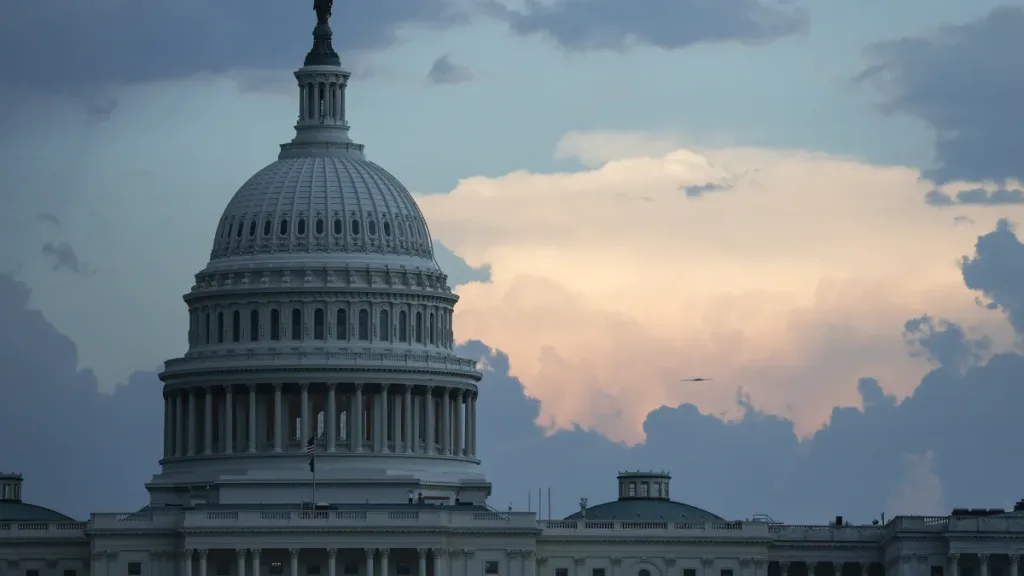
The U.S. House of Representatives approved a historic measure on Tuesday. The vote seeks to establish daylight saving time year-round. Congress finally addressed an issue that has puzzled lawmakers for decades.
The final vote resulted in 308 votes in favor and 117 against. The bill, known as the Sunshine Protection Act, now moves to the Senate. Its chances of approval in the upper chamber remain uncertain.
Twenty-two Republicans and 95 Democrats voted against the initiative on Tuesday. The result reflects divisions that do not follow traditional party lines. The measure must still overcome resistance from some key senators.
A debate that pits parents and farmers against each other
Supporters of the measure argue clear health benefits for Americans. They contend it would avoid the time change that disrupts children’s sleep. They also point out it could reduce seasonal depression during winter.
Democratic Representative Frank Pallone strongly backed the initiative during a recent hearing. «There is much scientific evidence on this,» he declared before the House Committee. He questioned why the country continues changing the time without clear justification.
However, opponents warn of serious economic consequences for certain sectors. Lawmakers from agricultural districts fear the impact of much later sunrises. In some districts, the sun would not rise until after 9 a.m.
Trump’s enthusiastic support for the measure
President Donald Trump celebrated the bill’s approval through Truth Social. He called the initiative a potential major victory for the Republican Party. His position on the issue, however, has evolved considerably over time.
«Hundreds of millions of dollars are spent each year» due to the time change, Trump wrote. The president urged Congress to turn the proposal into law as soon as possible. He called the biannual change a «ridiculous production» that was unnecessary.
Nineteen states have already approved laws to adopt permanent daylight saving time. They would do so automatically if Congress finally authorizes the national measure. However, the law would also allow states to opt out.
Hawaii and Arizona could be exempt
States like Hawaii and much of Arizona currently observe standard time. They could maintain that status if they act before the law takes effect. Several U.S. territories would face similar decisions on the issue.
The issue generated intense lobbying activity among various interest groups. The golf industry, filmmakers, and educators actively participated in the debate. Support and opposition were distributed unpredictably across both parties.
Supporters cite additional benefits such as greater economic and recreational activity. They argue that more hours of sunlight would reduce nighttime crime. They also contend it would significantly improve the population’s physical activity.
The alternative of permanent standard time
Not all lawmakers agree that daylight saving time is the best option. Some consider it more sensible to adopt a permanent standard time instead. Representative Mary Gay Scanlon defended this alternative position during the hearing.
«We must base ourselves on science and prioritize health,» Scanlon declared before the committee. She placed special emphasis on children’s health as a central priority. Medical organizations like the American Academy of Sleep Medicine support this view.
These experts warn that permanent daylight saving time negatively affects brain health. They point to risks such as more car accidents and workplace injuries. Standard time, they say, aligns better with the natural rhythms of the human body.
Divided opinions among the electorate itself
Polls show that Americans overwhelmingly reject the biannual time change. However, citizens also cannot agree on the ideal solution. This division is clearly reflected among Congress members themselves.
Republican Representative Nick Langworthy publicly acknowledged his doubts about the project. He said he had clearly heard that people reject the current time change. However, he admitted uncertainty about which alternative would be preferable.
Lawmakers like Jim McGovern even questioned Congress’s priorities at this moment. He asked whether this issue deserves such attention against other urgent problems. He specifically mentioned housing, food, and health care costs as major priorities.
A failed attempt repeated in history
The United States already experimented with permanent daylight saving time in previous eras. Congress approved a similar measure in 1974, during an energy crisis. Lawmakers quickly reversed that decision due to its enormous unpopularity.
That historical failure is frequently mentioned by current opponents of the project. They consider the previous experience should serve as a clear warning. However, legislative interest in the issue never completely disappeared.
In 2022, the Senate unanimously approved a similar version of the proposal. That initiative never came to a formal vote in the House of Representatives.
Canal oficial
Únete a nuestro canal de WhatsApp
Recibe las noticias más importantes al instante, sin spam. Solo lo que importa, cuando importa.

Comentarios
Inicia sesión para comentar
Es gratis y toma un minuto. Con tu cuenta también podés:
- Comentar y participar en la conversación
- Guardar notas para leer después
- Ver tu historial de lectura
- Recibir el boletín con tus temas favoritos