



U.S. Creates Elite Task Force Against Media Leaks
U.S. Secretary of War Pete Hegseth announced the creation of a new joint task force between the Pentagon and the Department of Justice aimed at identifying and prosecuting those who leak sensitive defense information. The measure comes amid mounting tensions between the government and the media following recent restrictions on press access to military facilities and the White House’s issuance of subpoenas against journalists.

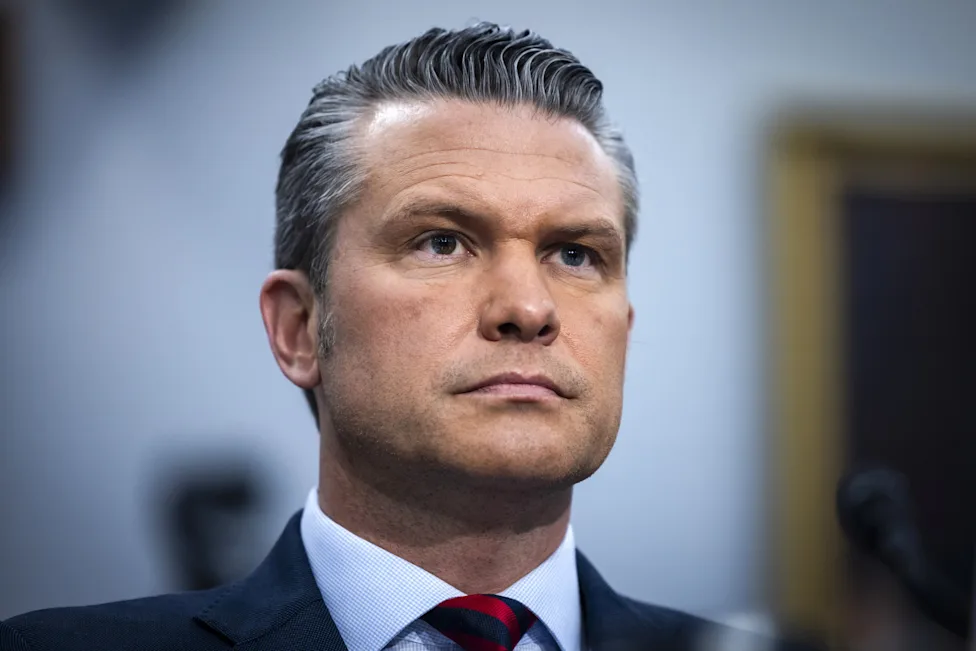
U.S. Secretary of War Pete Hegseth announced a drastic measure on Monday. It involves a new joint task force between the Pentagon and the Department of Justice. Its goal is to identify and prosecute those who leak sensitive defense information.
Hegseth confirmed the initiative through a video posted on social network X. In the message, just over two minutes long, he explained the reasons behind this new strategy. He assured that leaks put U.S. troops at direct risk.
«Leaking sensitive national defense information is betraying our warriors and putting them in danger,» the secretary declared in the video shared on X. He added that both departments decided to join forces against leakers.
New Powers to Investigate Leaks
The secretary detailed how this new internal surveillance mechanism will function. He delegated special powers to the Office of the General Counsel of the Department of War. This office will be able to request all necessary information and documents within the Pentagon.
According to Hegseth’s assurance, these requests will have absolute priority within the institution. The various departments must respond in a «complete and exhaustive» manner. The maximum deadline established for doing so is 48 hours.
The purpose behind this speed is clear to the official. He explained that access to classified information represents a sacred responsibility. He warned that those who betray that trust will face the full weight of the law.
Rejection of Media Leaks in the U.S.
Hegseth insisted on the urgency of sharing information with other agencies. He pointed out the importance of collaborating quickly with the FBI. He also mentioned other federal partners tasked with enforcing the law.
Former Defense Department officials questioned the coherence of this new policy. John Ullyot, former Pentagon spokesperson during Trump’s first term, was particularly critical. He believed there is an obvious contradiction in the secretary’s position.
Ullyot recalled previous episodes where Hegseth himself handled sensitive information questionably. He suggested that before demanding accountability from others, he should answer for his own decisions. The administration, however, defended the need for the new task force.
A Case That Triggered the New Offensive
The initiative came just days after an important journalistic revelation. The New York Times reported that the White House issued subpoenas against several journalists. The measure was in response to a report on security flaws in the new Air Force One.
That plane, donated by Qatar, generated concern among national security analysts. The report detailed specific vulnerabilities of the presidential aircraft. The government’s response was considered by many as a direct reprisal.
This episode adds to a series of growing tensions between the government and the press. Since Trump’s return to the White House, the Pentagon notably hardened its policies. Media outlets have faced increasingly severe restrictions on access to public information.
Restrictions Already Affecting the Press
During 2025, Hegseth promoted particularly strict rules within the Pentagon. These regulations limited physical access by journalists to military facilities. They also severely restricted the usual use of internal sources.
The new rules even contemplated sanctions for requesting information without prior authorization. This applied even when the information requested was not classified. The measure generated widespread rejection among the country’s major news organizations.
As a direct consequence, most media outlets surrendered their access credentials. Among them are The New York Times, The Washington Post, and Politico. Also joining were Reuters, Associated Press, and networks such as ABC, CBS, CNN, NBC, and Fox News.
Concerns Among Free Press Advocates
Organizations defending the First Amendment expressed their concern about this new offensive. They believe the task force could intensify existing tensions even further. They fear that access to information of public interest will be further limited.
For these groups, hardening investigations into journalistic sources represents a real risk. It could discourage officials seeking to report irregularities within the government. Investigative journalism on defense matters would be especially affected.
The U.S. administration, however, maintains a different position on this issue. It argues that the new task force will allow for faster responses to actual leaks. It insists that the measure seeks to protect classified information essential for national security.
A Confrontation Just Beginning
Hegseth’s announcement marks a new chapter in the relationship between Washington and the media. The combination of subpoenas, access restrictions, and now this specialized task force concerns journalists. The balance between national security and press freedom is back in debate.
As the government strengthens its internal control mechanisms, the media evaluates its next steps. Some organizations are already analyzing possible legal responses to these new restrictions.
Canal oficial
Únete a nuestro canal de WhatsApp
Recibe las noticias más importantes al instante, sin spam. Solo lo que importa, cuando importa.
Etiquetas

Comentarios
Inicia sesión para comentar
Es gratis y toma un minuto. Con tu cuenta también podés:
- Comentar y participar en la conversación
- Guardar notas para leer después
- Ver tu historial de lectura
- Recibir el boletín con tus temas favoritos