



Texas Opens 10,000 Nuclear Jobs for Hispanics
Texas’s nuclear industry is projected to hire more than 10,000 workers over the coming years, with salaries ranging from $86,000 to $140,000 annually, driven by the expansion of artificial intelligence data centers.

Anthony Astonitas
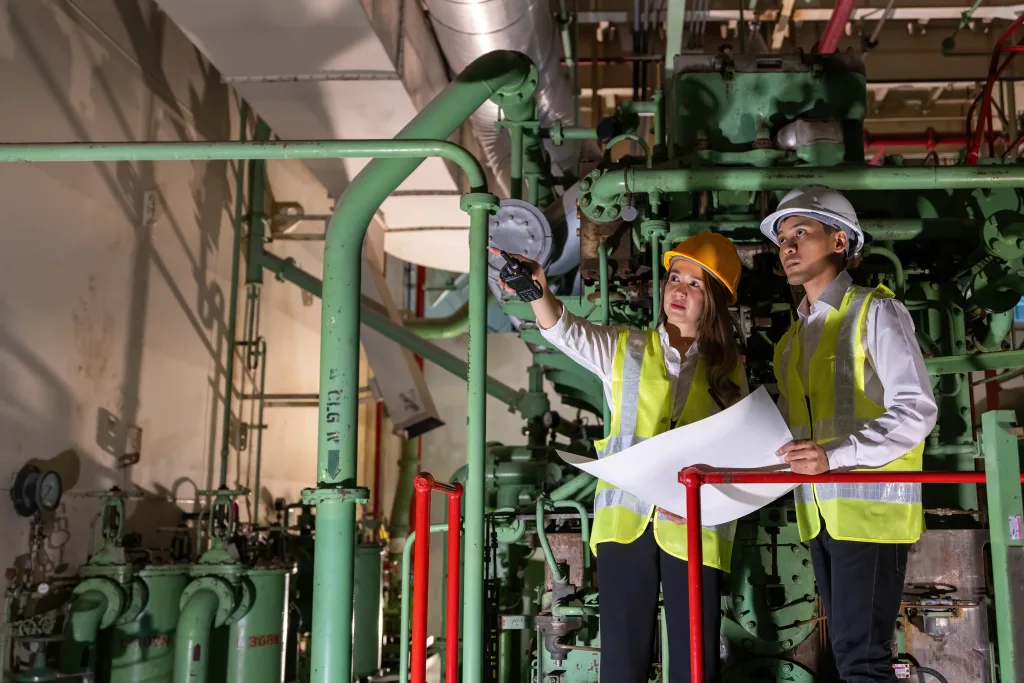
Texas’s nuclear industry is projected to hire more than 10,000 workers over the coming years. Salaries in many cases exceed $86,000 annually and can reach $140,000. This new employment opportunity stems from the accelerated growth of artificial intelligence data centers.
Tech giants are building dozens of data centers in the state to sustain artificial intelligence growth. On the ERCOT power grid alone, major consumer operators have requested connecting 410 gigawatts of new load on the waiting list. That number surprised even regulators, according to 2026 reports.
Pablo Vegas, ERCOT’s chief executive officer, has warned that the system’s peak demand could spike in the coming years. Nuclear is the only option that can provide reliable and constant energy at that scale. The result is a shortage of specialized labor that the state cannot fill.
Which nuclear jobs are most in demand in Texas?
A report from the University of Texas at Austin, prepared in October 2025 with more than 50 institutions, companies and unions, documented the trades with greatest urgent demand. Among them are nuclear-grade welding, radiological monitoring, reactor operation, and systems engineering.
The salaries are concrete and verifiable. A nuclear technician earns starting at $86,550 per year on average, with a ceiling of $103,365 according to Salary.com. A nuclear engineer averages $98,378 annually, with a ceiling of $140,000 for senior profiles, according to ZipRecruiter.

A nuclear technology instructor at community colleges can receive between $114,070 and $120,736 per year. In any of these categories, the worker would earn more than double the state’s median salary, which ranges between $52,000 and $54,000 annually.
The expansion will also require technicians, operators, construction workers, and maintenance personnel to meet the growing need for skilled labor. The opportunity is especially relevant for the Hispanic community, which represents more than 40% of Texas’s population.
How do Hispanics access these training programs?
Educational programs are concentrated in Austin and Houston, but plans exist to install new reactors in rural areas of the Gulf Coast and the Panhandle. In those areas there is a strong Hispanic presence. The combination is hard to ignore: Latino communities are where the reactors will be located, and the state funds the training.
Legislation passed in 2025 and 2026 created a complete framework for this growth. Bill HB 14 established the Texas Advanced Nuclear Energy Office (TANEO), with a budget of $350 million, with the possibility of scaling up to $2 billion.
Canal oficial
Únete a nuestro canal de WhatsApp
Recibe las noticias más importantes al instante, sin spam. Solo lo que importa, cuando importa.

Autor
Anthony AstonitasDesarrollador de Software 12 años de experiencia
Comentarios
Inicia sesión para comentar
Es gratis y toma un minuto. Con tu cuenta también podés:
- Comentar y participar en la conversación
- Guardar notas para leer después
- Ver tu historial de lectura
- Recibir el boletín con tus temas favoritos