



New York on Alert After West Nile Virus Outbreak
New York has detected nearly double the number of mosquito clusters positive for West Nile Virus, with 612 positive clusters identified through July 25, compared to 326 in the same period of 2025. Although no human cases have been reported this season, the early detection raises concern as the virus typically peaks during August and September.

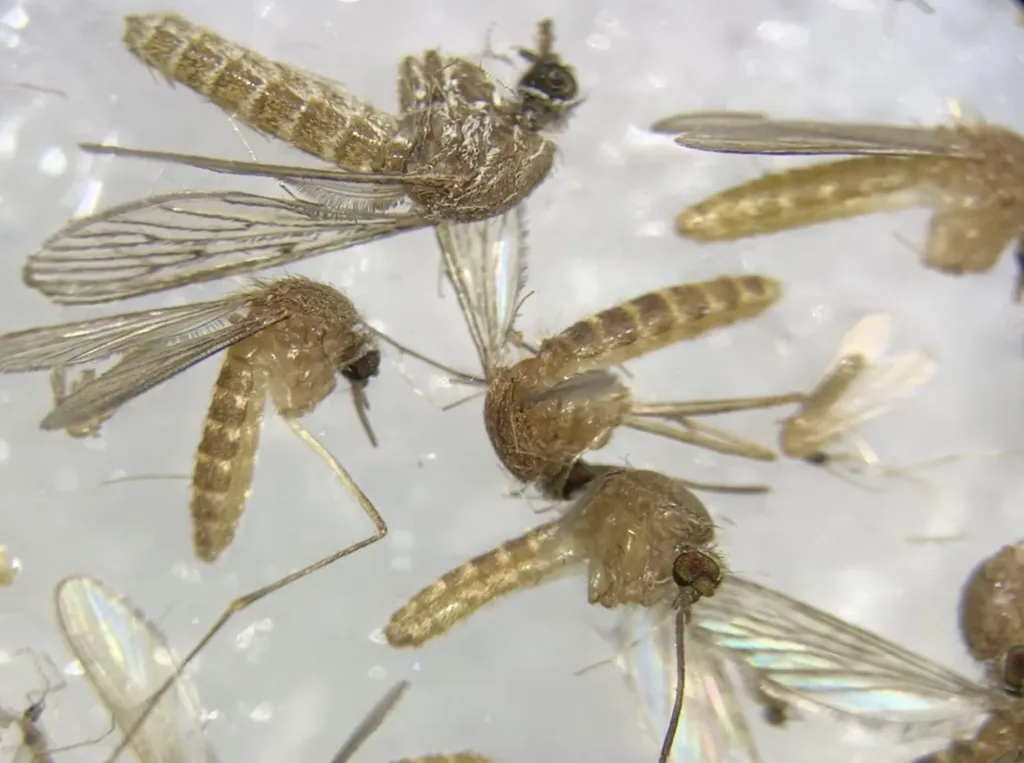
New York detected nearly double the number of mosquito clusters positive for West Nile Virus. The alert came before the peak activity period. The city’s Department of Health identified 612 positive clusters through July 25. In the same period of 2025, it had detected 326.
The first detection of 2026 occurred on June 16. The year before, the first positive mosquitoes appeared on July 1. The city had not yet reported human cases linked to this season. However, early circulation raises the risk for the coming weeks. The virus is transmitted through the bite of infected mosquitoes. It is not contagious through casual contact between people, according to health authorities.
Why did the virus increase this year?
Summer rains left more standing water in urban areas. High temperatures also accelerated the reproductive cycle of mosquitoes. A small amount of water can serve as a breeding ground. Flower pots, buckets, gutters, toys and pet water containers can accumulate it. Heat allows mosquitoes to reproduce for longer periods. Therefore, early detection can extend the exposure period.

Carrier mosquitoes normally appear between June and October. Their activity typically peaks during August and September. That timeline explains the municipal concern. The increase occurred before the seasonal peak, when more people spend time outdoors. The city analyzes mosquito clusters captured in traps. Each cluster can include up to 50 insects gathered for testing.
Therefore, 612 positive clusters do not equal 612 sick people. The figure measures virus circulation among mosquitoes. The virus can infect humans, birds, horses and other mammals. Birds help maintain the natural cycle of the virus among mosquitoes. Most infected people show no symptoms. However, some develop fever or other flu-like illnesses.
What symptoms can it cause?
Symptoms usually begin between 2 and 14 days after an infected bite. The exact timing can vary among patients. About 80% of infected people do not develop symptoms. Approximately 20% experience fever, headache or body aches. Joint pain, vomiting, diarrhea, fatigue and rash may also appear. In many cases, the illness improves with rest and hydration.

Less than 1% develop severe neurological disease. These complications include encephalitis and meningitis. Warning signs include
Canal oficial
Únete a nuestro canal de WhatsApp
Recibe las noticias más importantes al instante, sin spam. Solo lo que importa, cuando importa.

Comentarios
Inicia sesión para comentar
Es gratis y toma un minuto. Con tu cuenta también podés:
- Comentar y participar en la conversación
- Guardar notas para leer después
- Ver tu historial de lectura
- Recibir el boletín con tus temas favoritos