



Latino Voters Lose Faith in U.S. Electoral System
Hispanic voters are expressing marked skepticism about the transparency and fairness of U.S. elections, with many citing concerns that current participation rules inadequately protect their political rights. A recent qualitative study reveals widespread Latino disillusionment over voting regulation changes and gerrymandering tactics that they believe dilute their electoral power.

Anthony Astonitas
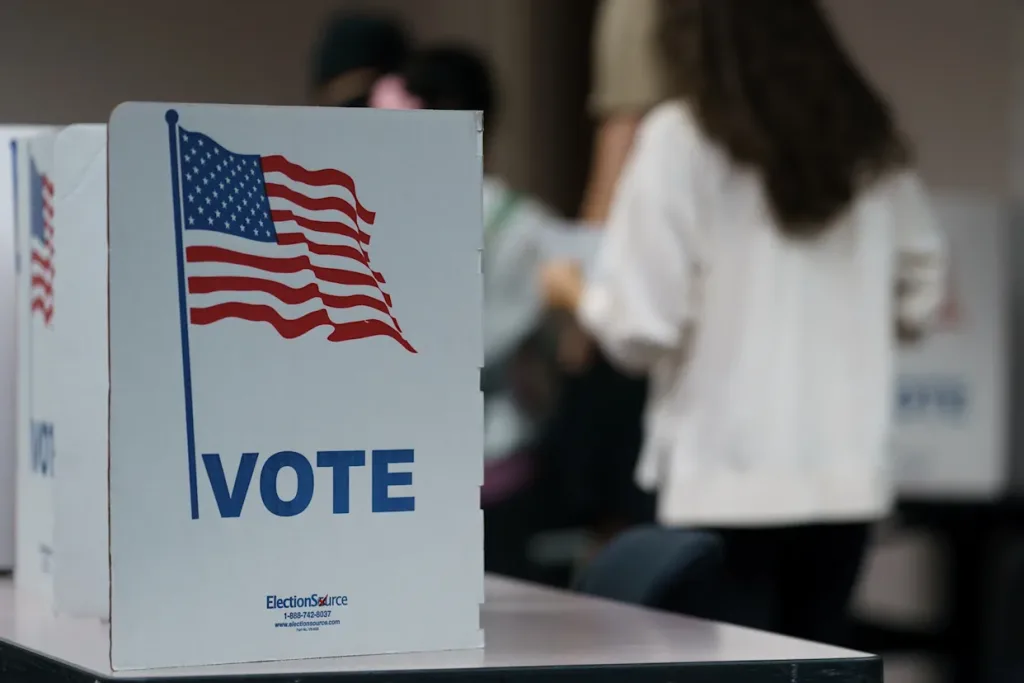
The stability of the electoral system in the United States faces a moment of profound review by its most significant minorities. Hispanic voters express marked skepticism regarding the transparency and fairness of upcoming voting days. Many citizens of Latin American origin feel that current participation rules do not adequately protect their political rights. This situation compels analysts to examine the structural factors that fuel discontent in Hispanic neighborhoods across the country. Therefore, the study of community perceptions proves crucial to understanding the direction of regional civic participation.
Current discontent is not limited to simple disagreement with traditional political parties competing for power. The main problem lies in the widespread perception that institutional rules are modified to harm minorities. For this reason, civil rights organizations are multiplying their efforts to educate voters before the midterm elections. Disputes over district boundaries and ballot counting intensify the sense of isolation among young people. However, communities maintain their commitment to vote despite their growing operational doubts.
For social researchers, faith in the American electoral process hangs by a very thin thread at this moment. Latino families observe with distrust the influence exercised by multibillion-dollar corporations in designing political campaigns. Consequently, community debate spaces demand independent technological audit mechanisms to oversee data processing. Each state’s regulatory framework generates a fragmentation of criteria that confuses voters who change residence. Below are the main concerns collected and the impact of legislative proposals under debate.
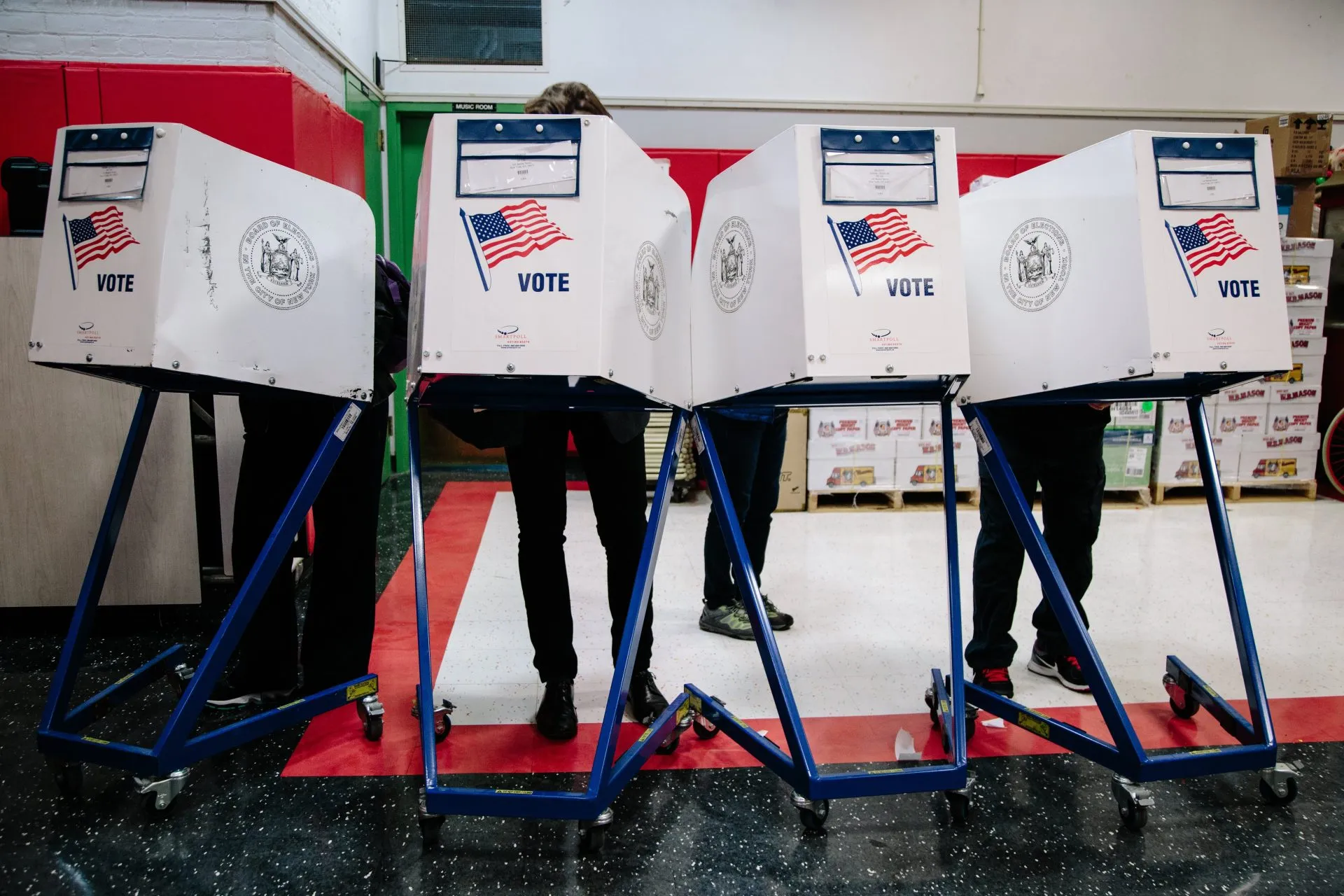
What are the reasons behind the loss of electoral trust in the Hispanic community?
First, a detailed opinion report systematized called Culture Collective Pulse revealed a concerning picture of democratic perception. The study was prepared by the Intelligence Center of My Code with the objective of evaluating the sentiment of minorities. The findings show that Hispanic voices convey profound disillusionment due to recent modifications in voting regulations. Latino participants between 25 and 34 years old directly accuse President Donald Trump of attempting to manipulate future processes.
Similarly, the report clarifies that this is not a traditional statistical survey, but rather a qualitative exercise. Multicultural adults express the conviction that the system was designed to exclude certain populations from its historical origin. The manipulation of electoral district boundaries, popularly known as gerrymandering, constitutes one of the greatest sources of civic frustration. The bipartisan maneuvers to alter political maps for their own benefit are summarized in the following explanatory table:
| Federal State Evaluated | Party Pushing the Change | Technical Process Executed | Impact on Latino Voter |
| Texas | Republican Party | Geographic redesign of districts | Reduction of Hispanic voting power |
| California | Democratic Party | Alteration of territorial boundaries | Modification of local representation |
On the other hand, interviewed citizens expressed valid concerns about the direct intervention of major business figures in national politics. A participant in the 18 to 24 age group specifically mentioned the influence of the technology magnate
Canal oficial
Únete a nuestro canal de WhatsApp
Recibe las noticias más importantes al instante, sin spam. Solo lo que importa, cuando importa.

Autor
Anthony AstonitasDesarrollador de Software 12 años de experiencia
Comentarios
Inicia sesión para comentar
Es gratis y toma un minuto. Con tu cuenta también podés:
- Comentar y participar en la conversación
- Guardar notas para leer después
- Ver tu historial de lectura
- Recibir el boletín con tus temas favoritos