



Key Points About the Primary Elections in New Jersey, California, New Mexico, Iowa, Montana, and South Dakota
The United States holds crucial primary elections on June 2 in six states: California, New Jersey, New Mexico, Iowa, Montana, and South Dakota. These results will determine candidacies for key positions in the November elections, as Republicans and Democrats seek to consolidate positions in Congress amid what could be a significant shift in power in Washington.

Anthony Astonitas
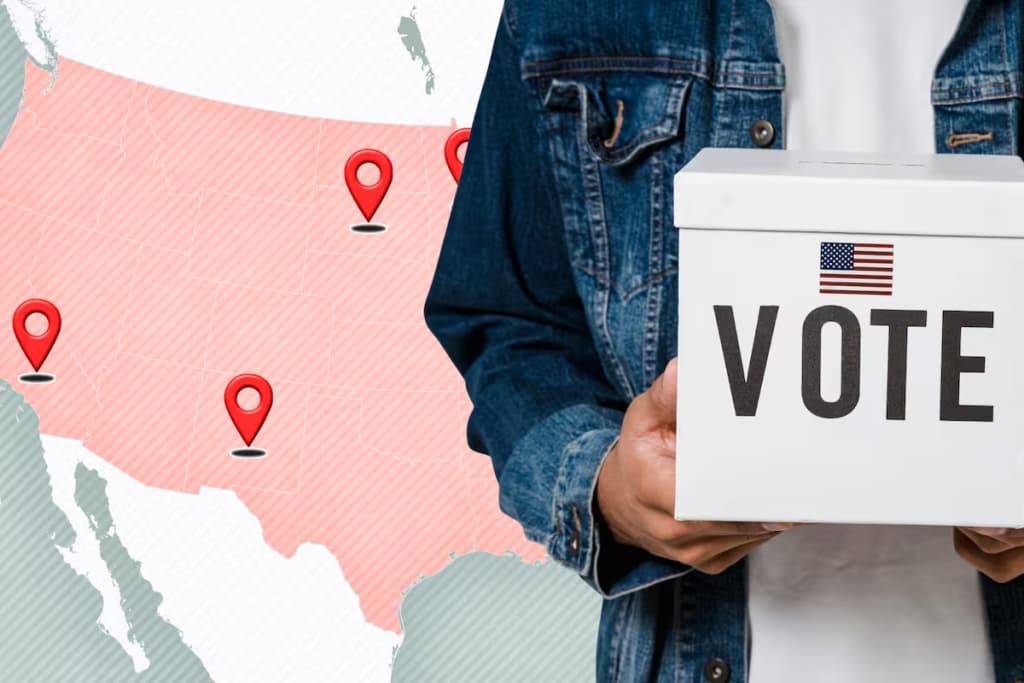
The United States is experiencing a crucial day in its electoral calendar on June 2. Primary elections are being held in six states: California, New Jersey, New Mexico, Iowa, Montana and South Dakota. The results will define candidacies for key positions ahead of the November elections. The process occurs in a decisive political context. Republicans and Democrats are seeking to consolidate their positions in Congress. The balance of power in Washington could change in the coming months. These primaries include contests for governor, Senate, House of Representatives and state legislatures. Open races following the departure of relevant political figures also stand out.
What is at Stake in These U.S. Primaries?
The elections will serve to define who will compete in November. The positions in dispute include strategic positions at the state and federal level. This makes the day a political turning point. In Iowa, the departure of Governor Kim Reynolds and Senator Joni Ernst opens new opportunities. Voters will choose candidates for both positions. Legislative seats will also be voted on. In Montana, positions will be renewed following the retirements of Senator Steve Daines and Congressman Ryan Zinke. These vacancies generate disputes within the Republican Party. Internal divisions are one of the key factors.
Which States Have the Most Competitive Races?
New Jersey stands out for the seventh congressional district. This is considered one of the most disputed in the country. Furthermore, the rival of Democratic Senator Cory Booker will be determined. In New Mexico, attention is focused on the gubernatorial race. The current governor cannot run for reelection. This opens the landscape for intense competition between parties. South Dakota presents a particularly competitive Republican primary. Several candidates are seeking the gubernatorial nomination. The contest reflects internal tensions within the party.
How Do the Voting Systems Work in Each State?
The systems vary by state. Iowa, New Jersey and New Mexico use closed primaries. This means that voters can only participate in the party to which they are affiliated. In Iowa, there is an exception. Voters can change their party affiliation on the same day. This offers some flexibility in participation. Montana has a more open system. It allows voters to participate in the primaries regardless of their affiliation. In South Dakota, the rules are mixed depending on the party.
What Are the Voting Hours and Methods?
Closing times vary by state. In Iowa and New Jersey, the polls close at 8:00 pm. Montana also closes at that time, but in its time zone. New Mexico ends voting at 7:00 pm. South Dakota has different schedules depending on the region. These factors influence the flow of results. In addition to in-person voting, early voting options exist. Many voters have already cast their ballots by mail. This could affect the speed of counting.
When Will Results Be Known?
The first results are expected shortly after the polls close. However, the complete count may take longer. This depends on the volume of early votes. In states with high mail-in participation, the process is usually slower. Authorities must verify each ballot. This can delay final results. Still, some trends could be known the same night. The closest contests could take days to be determined.
Canal oficial
Únete a nuestro canal de WhatsApp
Recibe las noticias más importantes al instante, sin spam. Solo lo que importa, cuando importa.

Autor
Anthony AstonitasDesarrollador de Software 12 años de experiencia
Comentarios
Inicia sesión para comentar
Es gratis y toma un minuto. Con tu cuenta también podés:
- Comentar y participar en la conversación
- Guardar notas para leer después
- Ver tu historial de lectura
- Recibir el boletín con tus temas favoritos