



How Much Will Gasoline and School Supplies Rise This Summer in the U.S.?
U.S. families face widespread cost-of-living increases during summer months as crude oil prices exceed $100 per barrel, driving up gasoline prices above $4 per gallon and impacting transportation, food, and education expenses.

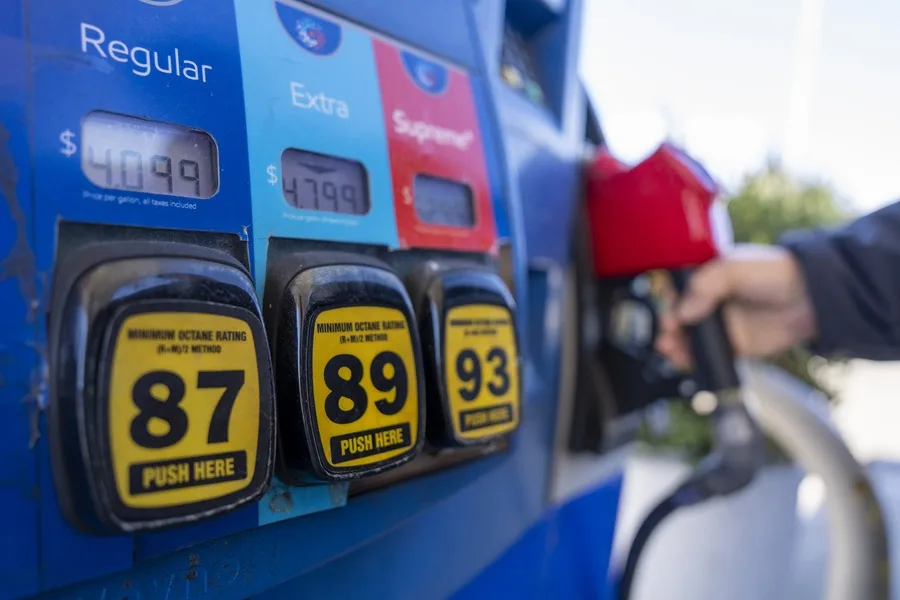
Families in the United States face widespread increases in the cost of living during the summer months. Financial pressure directly affects the budgets of Hispanic households across the country. For this reason, money allocated to transportation, food, and education must be adjusted quickly.
Crude oil barrels have exceeded the $100 barrier in international markets. Consequently, regular gasoline is registering an average price above $4 per gallon in various regions. International geopolitical instability and disruptions in global refineries are driving this sudden price increase.
This price surge occurs at a critical moment for the domestic economy. Many workers were already dedicating a considerable portion of their income to rent and utility payments. Below, we analyze the most affected categories and estimated figures for this season.
How Much More Will Families Pay to Fill Up Their Gas Tank This Summer?
Fuel increases represent the first financial pressure for drivers. Within a matter of weeks, the national average for regular gasoline rebounded after a brief period of stability. Therefore, daily commutes to work or schools have become more expensive.
Pavel Molchanov, energy expert at investment firm Raymond James, anticipates a complex outlook. The analyst predicts that rates will continue to rise progressively over the coming weeks. For a household that fills two vehicles per week, the difference could represent between $15 and $30 additional dollars each month.
Despite the increases, official reports indicate that fuel consumption has not declined. According to data from the U.S. Energy Information Administration (EIA), demand remains high across the country. This demonstrates that millions of people cannot reduce their daily work commutes.
Why Does the Increase in Fuel Raise Food Prices?
The rise in transportation costs directly impacts the entire country’s supply chain. Farmers and distributors depend on diesel to operate heavy machinery and move freight trucks. For this reason, the rise in crude oil inevitably affects the final price of food items.
Miguel Gómez, professor of agricultural economics at Cornell University, explains market behavior. The specialist notes that companies adjust their prices quickly when their operating costs rise. However, they typically take much longer to lower them when oil prices drop again.
Fresh products such as fruits, vegetables, meat, and dairy suffer the largest increases due to refrigeration requirements. Additionally, supermarket chain Albertsons reduced its sales projections due to consumer caution. Faced with this situation, many families have begun to substitute recognized brands with generic options.
| Affected Category | Primary Cause of Increase | Estimated Impact on the Wallet |
| Regular gasoline | Rise in oil and refinery instability | Increase of $15 to $30 dollars per month per vehicle |
| Fresh food | Higher diesel cost and refrigerated transport | Progressive increase in weekly supermarket shopping |
| Imported products | Increased maritime and land freight costs | Higher prices on oils and household items |
How Much More Expensive Will School Supplies and Footwear Be for the Return to School?
Canal oficial
Únete a nuestro canal de WhatsApp
Recibe las noticias más importantes al instante, sin spam. Solo lo que importa, cuando importa.

Comentarios
Inicia sesión para comentar
Es gratis y toma un minuto. Con tu cuenta también podés:
- Comentar y participar en la conversación
- Guardar notas para leer después
- Ver tu historial de lectura
- Recibir el boletín con tus temas favoritos