



Dangerous Heat Wave to Strike U.S. on July 4
A dangerous heat wave will strike wide areas of the United States during the week of July 4, with record temperatures, extreme humidity and high health risks, according to the National Weather Service. The situation has also raised alarms about fires in the western states, where Utah and Colorado have already declared emergencies.

Anthony Astonitas
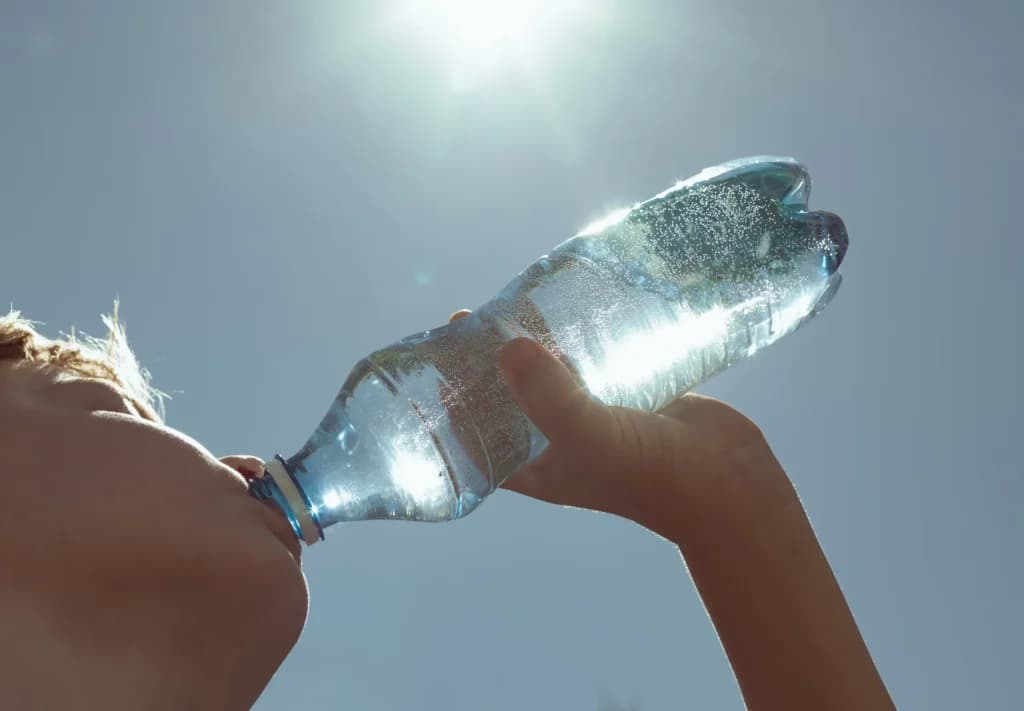
The week of July 4 will bring a dangerous heat wave across wide areas of the United States. The National Weather Service warns that there will be record temperatures, extreme humidity and high health risks.
The situation has also raised alarms over fires in the western part of the country. Utah and Colorado have already declared emergencies, while several states face active fires and dry conditions that complicate fire control.
Where will the heat be felt most?
The National Weather Service reported that the center and east of the country will face the greatest impact. The warning extends to Texas, Florida, New York, Illinois and Washington D.C.
The combination of heat and humidity will drive the heat index to 46 degrees Celsius, or 115 Fahrenheit. In several cities, the actual temperature will exceed 37 degrees Celsius, or 100 Fahrenheit.

The heat will not be brief. Forecasts indicate that risk will escalate from «moderate» to «extreme» between Monday and Tuesday across much of the center and east of the country.
According to NPR, many areas of the east and midwest will be hit just before the holiday. This complicates travel, outdoor gatherings and patriotic events across the country.
Why is this heat wave such a concern?
The issue is not just the temperature. The humidity will reduce nighttime relief and keep the body exposed to thermal stress for longer.
The NWS warned that nights will be only slightly cooler. This increases the risk of dehydration, heat exhaustion and heat stroke, especially in elderly adults, children and people with illnesses.
The Centers for Disease Control and Prevention recommends seeking shade, drinking water and avoiding physical exertion during peak hours. It also calls for monitoring vulnerable neighbors and family members.
In densely populated cities, the effect can be worse. Asphalt, concrete and lack of ventilation raise the perceived temperature and slow nighttime cooling. The Federal Emergency Management Agency insists that heat kills silently. Unlike other emergencies, it usually advances without warning and quietly.
Canal oficial
Únete a nuestro canal de WhatsApp
Recibe las noticias más importantes al instante, sin spam. Solo lo que importa, cuando importa.

Autor
Anthony AstonitasDesarrollador de Software 12 años de experiencia
Comentarios
Inicia sesión para comentar
Es gratis y toma un minuto. Con tu cuenta también podés:
- Comentar y participar en la conversación
- Guardar notas para leer después
- Ver tu historial de lectura
- Recibir el boletín con tus temas favoritos