



Alert: Texas Could Record Temperatures Up to 105°F: Which Areas Would Be Affected and When
An extreme heat wave has kept central Texas on alert for more than a week, with a high-pressure system maintaining record temperatures in counties along the I-35 corridor, Hill Country, and Coastal Plains through at least Wednesday. Temperatures could reach 105-107°F with heat index values up to 109°F.

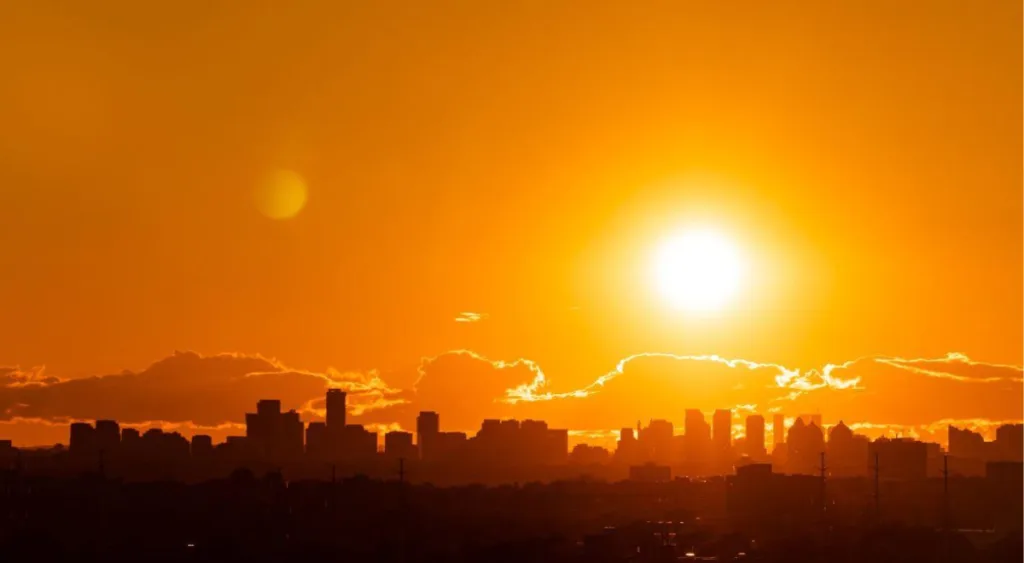
An extreme heat wave has kept central Texas on alert for more than a week, with no clear signs of relief. A high-pressure system maintains record temperatures in counties along the I-35 corridor, the Hill Country, and the Coastal Plains through at least Wednesday.
For those living or traveling through these areas, understanding the scope of the phenomenon is key to avoiding health risks. Below, I explain which counties are under alert, how long the extreme heat will last, and what protective measures authorities recommend.
What areas of Texas face alerts for extreme temperatures?
The National Weather Service maintains Extreme Heat Warnings active for Bastrop, Burnet, Llano, Travis, and Williamson counties. Highs in that area could reach 107°F, with a heat index of up to 109°F, according to the latest report from the federal agency for the Austin and San Antonio area.
Additionally, Heat Alerts are in effect for the I-35 corridor from Hays County southward, the Coastal Plains, and part of the Hill Country. In those areas, thermometers could reach 104°F, with a heat index of up to 108°F.
San Antonio also remains under the weight of this prolonged heat wave. This Sunday, the city again approached 103 degrees, with temperatures above 100°F anticipated for much of the week.
When does this heat wave in Texas begin?
The phenomenon is due to a high-pressure system that settled over south and central Texas more than a week ago. This atmospheric condition traps hot air and blocks the arrival of rain that could provide relief from the heat.
Local meteorologists warn that the pattern will remain firmly in place at least through Wednesday, with low chances of significant rainfall. Only after that could a slight drop in temperatures be recorded, though without guarantee of a lasting change.
This August already ranks among the hottest in Austin’s recent history. If the trend continues, it could rank among the five hottest Augusts ever recorded in the Texas capital.
The lack of rain worsens the situation, as dry soil intensifies the heat effect during the day. Experts point out that this type of pattern, popularly known as a heat dome, can last several weeks before dissipating completely.
As long as the high-pressure system remains stable over the region, the likelihood of significant relief will remain low. For this reason, local authorities urge the public not to rely on previous forecasts and to check updated alerts daily.
The risks of leaving objects and people in a closed car
On days of intense heat, the temperature inside a closed vehicle can exceed 158°F, an extremely dangerous level for anyone. This risk escalates quickly, even with windows slightly open.
Given this scenario, it is recommended to remove lighters, aerosols, electronic devices, water bottles, medicines, and food. These objects can explode, cause fires, or release toxic compounds inside the vehicle.
The risk is even greater for children, elderly adults, and pets, who should never remain alone inside a car under any circumstances. Just a few minutes of exposure can make the situation potentially fatal.
How to protect yourself from extreme heat in Texas?
The Centers for Disease Control and Prevention, known as the CDC, recommend a series of measures to reduce the risk of heat stroke. Here are some of the main suggestions from the federal agency.
Staying indoors in air-conditioned spaces is the first line of defense. Fans alone are insufficient to counter temperatures at this level, according to public health experts.
It is also important to drink fluids frequently, even if not thirsty, and schedule outdoor activities for the cooler hours of the day. Taking cold showers and checking on vulnerable neighbors or family members complete the list of basic recommendations.
Who faces the greatest risk during this heat wave?
Workers performing outdoor labor are among the most exposed groups during this heat wave. They are joined by minors, elderly adults, and people with chronic health conditions, who must take extra precautions.
Symptoms of heat stroke include dizziness, excessive sweating, nausea, and sudden weakness. At any of these signs, it is recommended to seek shade or air conditioning immediately and drink fresh water.
If you plan to go out this week in central Texas, check the daily forecast before planning outdoor activities. Stay alert to official National Weather Service alerts to learn about any updates on the duration of this extreme heat episode.
It is also wise to have emergency numbers on hand and to locate shopping centers, libraries, or other air-conditioned spaces near your home in advance. These places can serve as temporary shelter if needed.
Canal oficial
Únete a nuestro canal de WhatsApp
Recibe las noticias más importantes al instante, sin spam. Solo lo que importa, cuando importa.
Etiquetas

Autor
Anthony AstonitasDesarrollador de Software 12 años de experiencia
Comentarios
Inicia sesión para comentar
Es gratis y toma un minuto. Con tu cuenta también podés:
- Comentar y participar en la conversación
- Guardar notas para leer después
- Ver tu historial de lectura
- Recibir el boletín con tus temas favoritos