



ALERT: Illinois Approves Toll Rate Increase — What’s Changing
The Illinois Tollway Board unanimously approved the largest toll rate increase in over a decade, with an 8-0 vote supporting the 15-year «Driving Connections» infrastructure plan that will mobilize $26.5 billion for highway modernization. The new rates, taking effect January 1, 2027, will charge I-Pass users an additional 45 cents per toll crossing and non-users 90 cents, with automatic adjustments tied to inflation every two years thereafter.

Anthony Astonitas
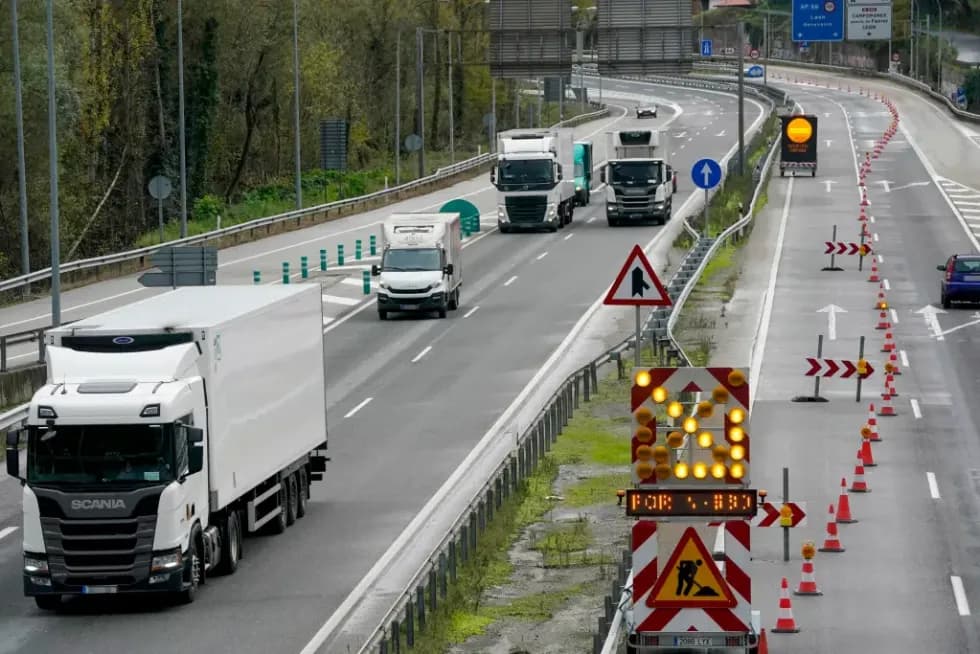
The Illinois Tollway Board met on the morning of Wednesday, August 19. It unanimously approved an increase in toll rates on state highways, the largest increase of its kind in more than a decade.
The 8-0 vote supports a 15-year infrastructure plan called «Driving Connections.» The program mobilizes $26.5 billion dollars to modernize the highway system and reduce vehicular congestion in Illinois.
This measure is directly linked to a new transportation financing law signed by Governor JB Pritzker last year. That legislation formally authorized the Tollway Board to raise rates for the first time since 2012.
How Much Will Drivers Pay
Private vehicles with an I-Pass transponder will pay an additional 45 cents each time they cross a toll booth. Those without the I-Pass device will face a larger increase of 90 cents per crossing.
Commercial vehicles will see a 30% increase over their current rates. According to figures from the authority itself, the average toll per mile for I-Pass users will rise from 7 cents to 11 cents, a jump of 57%.
Despite the increase, the Tollway authority assured that the new average rate will remain below the national average of 16 cents per mile. At some specific toll booths, such as the Waukegan booth on Interstate 94, the current rate of $1.40 will rise to $2.25 dollars.
When Does the Change Take Effect
The new toll scheme will begin to apply on January 1, 2027. Starting that date, the most common toll booth, currently at 75 cents, will rise to $1.20 dollars for I-Pass users.
In addition to the initial increase, the Board approved an unprecedented automatic adjustment mechanism. Every two years, beginning in 2029, rates will be updated according to the Consumer Price Index, with a maximum cap of 8% for each biennial adjustment.
This mechanism represents a structural change for Illinois’s toll system. Until now, each increase required a specific Board vote, but the new scheme institutionalizes increases tied to inflation.
The Annual Impact on Drivers’ Wallets
According to calculations by the Illinois Policy Institute, a driver who crosses two toll booths daily will pay approximately $200 dollars more per year. For those who cross three toll booths per trip on their daily round trip, the additional cost could approach $500 dollars annually.
The increase will generate around $1 billion dollars additional each year for the Tollway authority. That money will be allocated to maintain existing highways and build new road infrastructure in different regions of the state.
For Hispanic families that depend on automobiles to commute to work, especially in Chicago’s suburbs, this adjustment represents a recurring expense that adds to other transportation costs already on the rise this year.
Why Did Illinois Need This Adjustment
The last time the Tollway adjusted its rates was in 2012, nearly 15 years ago. During that period, the costs of road construction and maintenance increased steadily, while rates remained frozen.
Agency authorities argued that the system needed urgent funding for expansion and repair projects. The «Driving Connections» plan includes improvements to key corridors in the Chicago metropolitan area and in areas like Rockford, where the Belvidere toll booth on Interstate 90 will rise from $1.50 to $2.40 dollars for I-Pass users.
Some state legislators expressed concern about the increase’s impact on traffic. They warned that higher tolls could divert more drivers to local streets, generating greater congestion on roadways not designed for that volume of traffic.
What Can Drivers Do Before January
Users who do not yet have an I-Pass transponder have until the end of the year to obtain one and avoid paying the higher rate of 90 cents per crossing. The device can be requested directly from the Tollway authority website at no enrollment cost in most cases.
Planning alternative routes or adjusting travel times can help some drivers reduce the number of toll booths they cross daily. For those who travel long distances for work, calculating the additional annual cost in advance allows families to adjust their budgets before the change takes effect next January.
Canal oficial
Únete a nuestro canal de WhatsApp
Recibe las noticias más importantes al instante, sin spam. Solo lo que importa, cuando importa.
Etiquetas

Autor
Anthony AstonitasDesarrollador de Software 12 años de experiencia
Comentarios
Inicia sesión para comentar
Es gratis y toma un minuto. Con tu cuenta también podés:
- Comentar y participar en la conversación
- Guardar notas para leer después
- Ver tu historial de lectura
- Recibir el boletín con tus temas favoritos