



Why Will the U.S. Give Testosterone to Its Soldiers?
The Pentagon announced it will begin screening for testosterone deficiency among U.S. military personnel in an annual program, with Defense Secretary Pete Hegseth saying the initiative is necessary for troops to operate at their «absolute best» and maintain maximum psychological and mental readiness. Testosterone replacement therapy will be voluntary and only offered when health professionals detect clinically low levels.

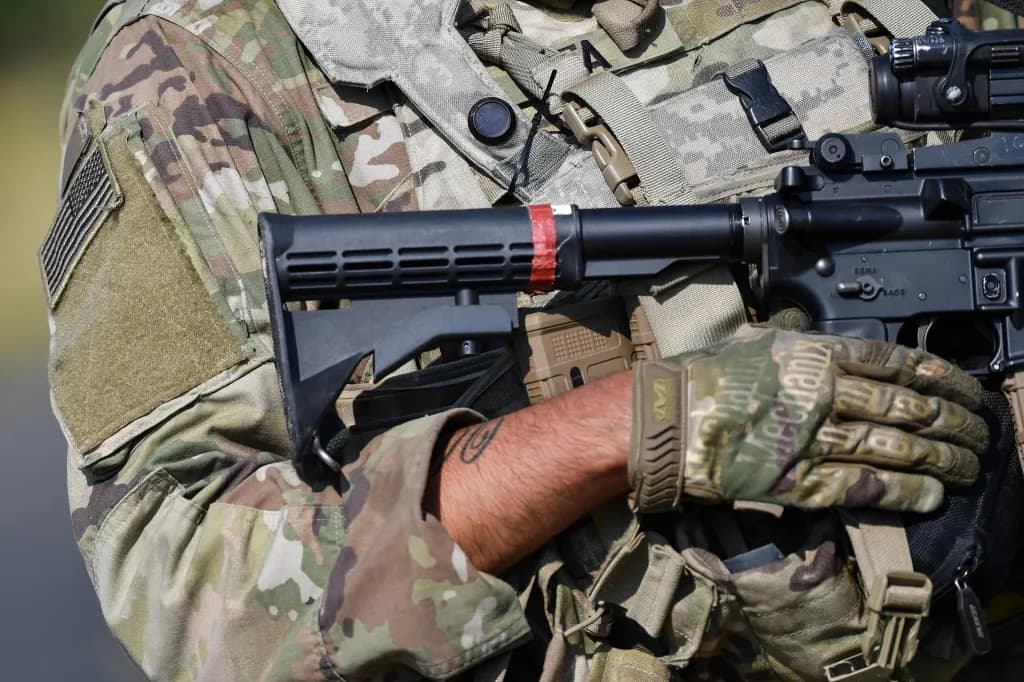
The Pentagon announced that it will begin screening for «testosterone deficiency» among U.S. military personnel, in an annual program that marks a shift in Armed Forces health policy. Defense Secretary Pete Hegseth presented the initiative as necessary for troops to operate at their «absolute best» and maintain «maximum psychological and mental readiness» on the modern battlefield. Additionally, the announcement comes as the Donald Trump administration promotes easier access to testosterone replacement therapy for men. This initiative is being developed both within and outside the military.
What Does the Pentagon’s New Program Consist Of?
Hegseth explained that testosterone tests will be included in mandatory annual medical exams for military personnel aged 30 and older. Additionally, those under that age may volunteer to be tested during their periodic health evaluations. In a video shared on social media, the secretary said the policy seeks to ensure that «warfighters» have the «correct testosterone levels» to perform at their maximum under the supervision of military medical personnel.

Testosterone replacement therapy will be voluntary and only offered when health professionals detect clinically low levels. Hegseth insisted that «this is not artificial enhancement,» but rather restoring soldiers’ natural capabilities. However, the Pentagon did not detail what specific diagnoses it intends to address. It also did not clarify what scientific evidence supports such broad screening in a healthy population.
The measure is announced in parallel with internal debates about prior testosterone and similar substance use in special forces, particularly among the Navy SEALs. Following the death of a SEAL candidate in 2022, the Navy initiated drug testing to detect «any hormonal, chemical, or pharmacologically related substance to testosterone that promotes muscle growth.» Now, the new screening program seeks to separate medically supervised testosterone use from clandestine performance-enhancement doping.
What Effects Does Testosterone Have and What Does Science Say?
In men, testosterone levels naturally decline with age and have been linked to issues such as erectile dysfunction, low libido, mood changes, and weight gain. Studies funded by the National Institutes of Health have shown that testosterone therapy can improve sexual function and desire. It can also improve some physical parameters in older men with documented low levels. Additionally, possible improvements in strength, muscle mass, and bone density have been observed.
For years there were concerns about a possible increased cardiovascular risk with testosterone therapy. However, more recent research, including the TRAVERSE trial, shows that in men with hypogonadism, therapy does not increase major cardiovascular events compared to placebo. In response, the
Canal oficial
Únete a nuestro canal de WhatsApp
Recibe las noticias más importantes al instante, sin spam. Solo lo que importa, cuando importa.

Comentarios
Inicia sesión para comentar
Es gratis y toma un minuto. Con tu cuenta también podés:
- Comentar y participar en la conversación
- Guardar notas para leer después
- Ver tu historial de lectura
- Recibir el boletín con tus temas favoritos