



Why Trump Accuses Cuba of Destabilizing the U.S.
The Trump administration elevated Cuba to the center of its national security discourse with a 100-page State Department report claiming the island represents a threat through espionage, subversion, and political influence. Critics argue the report exaggerates Cuba’s influence into an existential threat to justify potential future policy action.

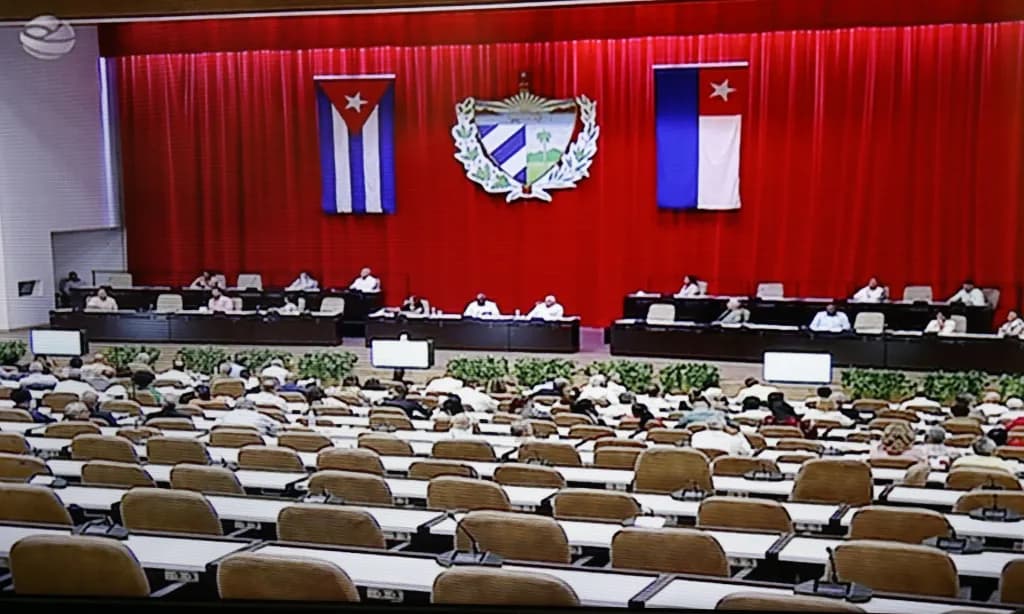
The Donald Trump administration elevated Cuba to the center of its national security discourse. A State Department report presented on July 20 argues that the island represents a threat to the U.S.
The 100-page document describes Cuba as a hub of espionage, subversion, and political influence. Marco Rubio said that violent and radical leftist groups have relied on Cuban support at some point. The narrative is not new, but the timing is. The report appears as the White House hardens its foreign messaging and midterm campaign season approaches.
What Does the Report Claim?
The document titled «Cuba: The Capital of 21st Century Communism» traces the island’s history since 1959. Its central thesis is that Cuba transitioned from supporting revolutions to continuing to operate as a subversive base.
The State Department claims that Havana backed socialist movements in Latin America and Africa. It also contends that it maintained a sophisticated espionage network against the United States.
Furthermore, the report attempts to link the Cuban Revolution with left-wing political currents in the United States. That connection is one of the most disputed parts of the document.
How Strong Are These Claims?
Michael Bustamante, a professor at the University of Miami, acknowledges Cuba’s historical influence. However, he believes the report exaggerates by turning that influence into an existential threat. The academic points out that the text is weak in explaining causality. In his view, it presents Cuba as if it were a mastermind behind much more complex political processes.

There are documented cases of Cuban espionage in the United States. Bustamante mentions that Cuba managed to infiltrate sensitive spaces more than would be expected of a small country. Among well-known examples are Víctor Manuel Rocha and Ana Belén Montes. Both ended up pleading guilty to acting as spies for Cuba. But those cases alone do not prove a network that controls all U.S. domestic politics. The difference between infiltration and political direction is key to understanding the debate.
Why Does This Discourse Appear Now?
Bustamante believes there are two main reasons. The first is domestic politics. The report mentions Democrats and serves as ammunition for the midterm campaign. The second is strategic. Presenting Cuba as a threat could lay the groundwork for harsher measures, including military or coercive pressure operations.
The parallel with Venezuela is evident. The United States used previous accusations to build a narrative that would justify subsequent actions against Caracas. That logic matters because it shows a pattern.
Canal oficial
Únete a nuestro canal de WhatsApp
Recibe las noticias más importantes al instante, sin spam. Solo lo que importa, cuando importa.

Comentarios
Inicia sesión para comentar
Es gratis y toma un minuto. Con tu cuenta también podés:
- Comentar y participar en la conversación
- Guardar notas para leer después
- Ver tu historial de lectura
- Recibir el boletín con tus temas favoritos