



Which States Are Implementing the New SNAP Restrictions?
The Supplemental Nutrition Assistance Program (SNAP) is undergoing major changes as the Trump administration implements restrictions on unhealthy foods like sodas, candy, and energy drinks. These restrictions vary by state, with South Carolina, North Dakota, Montana, Ohio, and Virginia each establishing specific prohibited items while maintaining certain exceptions.

Anthony Astonitas
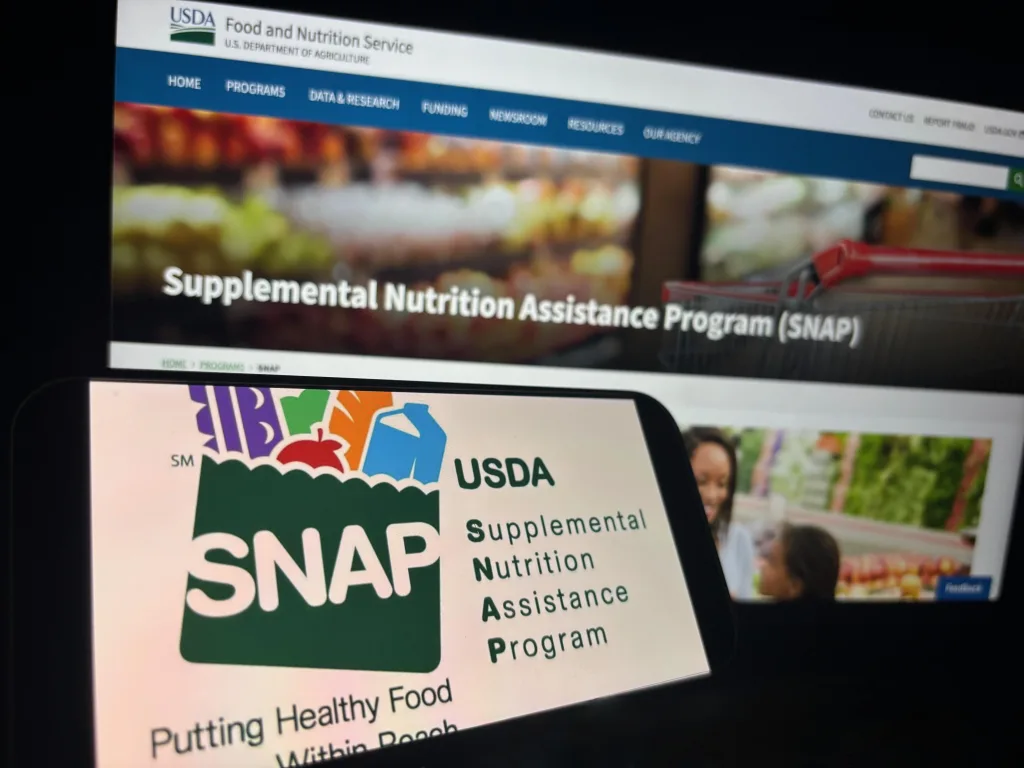
The Supplemental Nutrition Assistance Program (SNAP) is undergoing one of the most significant transformations in its recent history. The Trump administration has begun implementing a plan that excludes certain products considered unhealthy, such as sodas, candy, and energy drinks, from the catalog of permitted items. The measure does not alter the monetary amount that households receive each month, but directly modifies the technology at points of sale. Retail stores are required to adapt their systems to automatically block ineligible items when processing the EBT card.
This public policy is part of the government strategy called Make America Healthy Again. According to official data from the U.S. Department of Agriculture (USDA), the assistance network typically benefits more than 35 million low-income people across the country. However, the implementation of restrictions by state governments has generated intense technical debate between public health advocates and social welfare organizations.
The measure immediately affects communities in various states where this assistance constitutes the foundation of family food security.

What Are the Specific Products That Are Prohibited in Each State?
Program rules vary by local jurisdiction, as each state has designed specific exclusion lists approved by federal authorities. South Carolina prohibits candy, energy drinks, and soft drinks with added sugar, though diet versions remain authorized. In North Dakota, regulations exclude any beverage containing at least 5 grams of added sugar, artificial sweeteners, or less than 50% natural juice. Additionally, the government of that territory bans beverages with more than 65 milligrams of caffeine per 236 milliliters.
Meanwhile, the state of Montana set a strict limit of 10 grams of sugar per 236 milliliters for sugary beverages. Restrictions in that state also cover long-shelf-life prepared desserts, but exempt fresh bakery products made directly in the store from the ban. This variability in local criteria requires families to stay informed to avoid administrative complications during their regular grocery shopping.
| Criteria by State | Prohibited Foods and Beverages | Authorized Exceptions |
| South Carolina | Candy, sugary sodas, sweetened tea, lemonade, and sweetened coffee. | Diet sodas and sugar-free beverages. |
| North Dakota | Beverages with ≥5g added sugar, energy drinks, shots, and sweetened products. | Milk, beverages with more than 50% natural juice, and unsweetened products. |
| Montana | Beverages with >10g sugar per 236 ml, candy, and processed desserts. | In-store baked goods, milk, coffee, tea, and artificially sweetened beverages. |
| Ohio | Beverages where sugar or corn syrup is the main ingredient and fountain drinks. | Milk, 100% natural juices, and bottled water without caloric flavorings. |
| Virginia | Sodas (including diet), energy drinks, and sugar-containing carbonated beverages. | Non-carbonated beverages such as lemonade, iced tea, coffee, milk, and sports drinks. |
Canal oficial
Únete a nuestro canal de WhatsApp
Recibe las noticias más importantes al instante, sin spam. Solo lo que importa, cuando importa.

Autor
Anthony AstonitasDesarrollador de Software 12 años de experiencia
Comentarios
Inicia sesión para comentar
Es gratis y toma un minuto. Con tu cuenta también podés:
- Comentar y participar en la conversación
- Guardar notas para leer después
- Ver tu historial de lectura
- Recibir el boletín con tus temas favoritos