



Trump Removes Electoral Commission Members to Push Voting Reforms
President Donald Trump has dismissed two members of the bipartisan Election Assistance Commission who resisted his demands for strict voter registration reforms, including a requirement for potential voters to document their U.S. citizenship. The action marks the first test of expanded presidential power following a Supreme Court ruling that allows the Executive to remove independent agency members without cause.

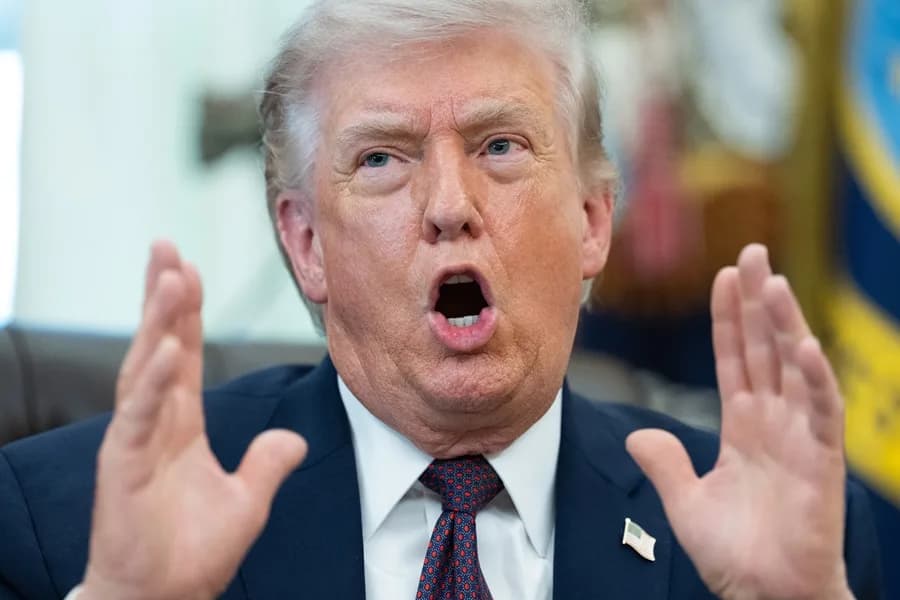
The political landscape in the United States is experiencing a new institutional upheaval that sparks intense debates over the separation of powers. President Donald Trump dismissed two members of a key bipartisan federal electoral commission. These officials had previously resisted presidential demands to implement strict voter registration reforms. Specifically, the president sought to require potential voters to document their U.S. citizenship before registering.
The White House confirmed the application of this executive action against members of the Election Assistance Commission. This federal agency performs crucial functions by distributing financial grants to the administrations of different states. Additionally, the agency oversees technical testing of voting systems throughout the nation. Another of its fundamental tasks consists of maintaining the official voter registration form up to date.
Analysts consider that the measure will not alter the development of the midterm legislative elections. However, it represents a clear example of presidential efforts to exercise greater control over electoral processes. This action constitutes the first test of expanded presidential power following a recent Supreme Court ruling. The court determined that the Executive can dismiss members of independent agencies without cause.
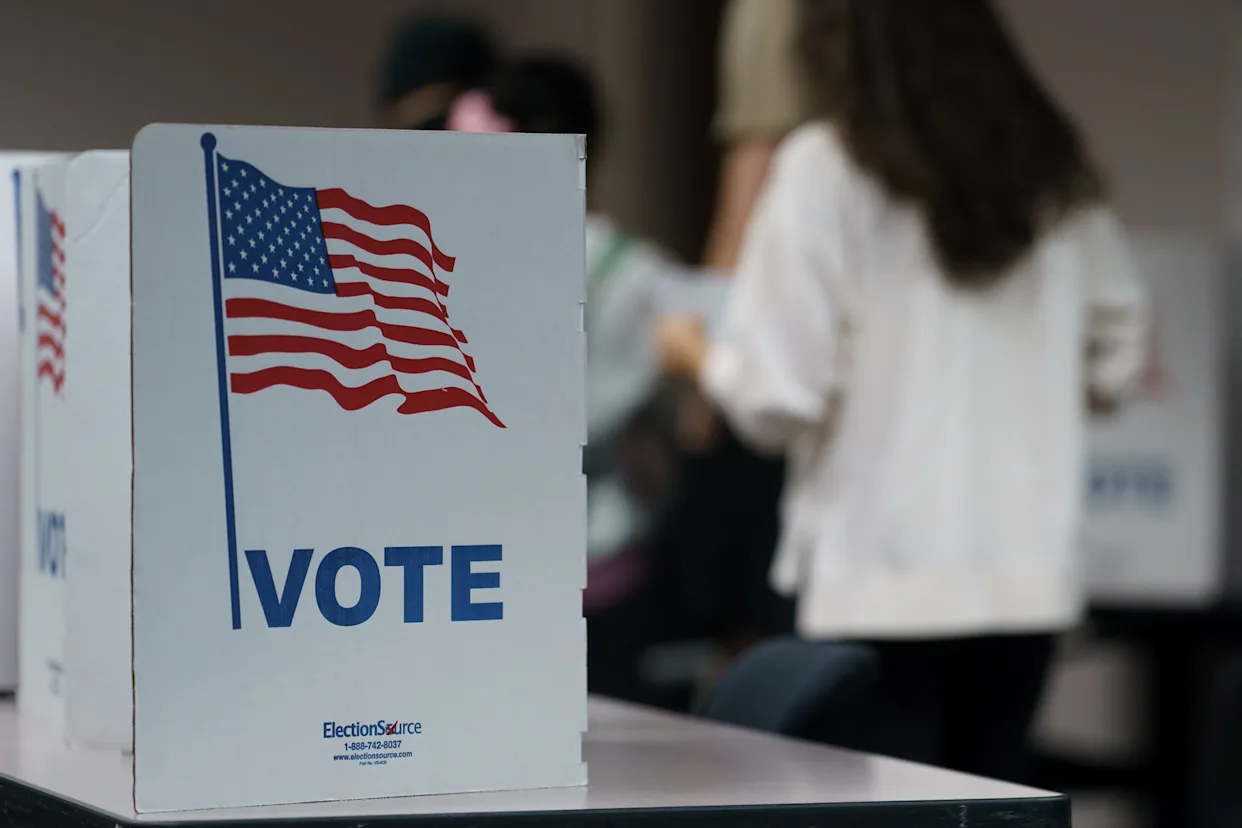
What Legal and Political Implications Does the Departure of Democratic Commissioners Have?
The presidency defended its constitutional prerogative to remove officials who do not align with its election security objectives. In this manner, the government removed Thomas Hicks and Benjamin Hovland, the two Democratic representatives, from their positions. Meanwhile, Republican Commissioner Christy McCormick submitted her formal resignation to the corresponding authorities. These internal changes leave the agency in a situation of extremely complex temporary operational paralysis.
The political opposition reacted immediately to what they consider a dismantling of independent democratic safeguards. Democratic leaders accused the president of deliberately politicizing the voting system just months before the elections. Through an official statement, Senator Alex Padilla and Representative Joe Morelle harshly criticized the institutional purge. The legislators pointed out that the measure weakens technical support intended for local election officials.
Critics of the government contend that the Supreme Court’s conservative majority facilitated this path through controversial rulings. Recent judicial decisions altered decades of jurisprudence related to the limits of presidential power over autonomous entities. The administrative staff of the affected agency has preferred to maintain a reserved stance without issuing immediate statements. Uncertainty predominates regarding the future functioning of voting system certification mechanisms.
| Affected Official | Political Party | Current Status at Agency | Origin of Appointment |
| Thomas Hicks | Democrat | Dismissed by executive order | Appointed by Barack Obama |
| Benjamin Hovland | Democrat | Dismissed by executive order | Appointed by Donald Trump |
| Christy McCormick | Republican | Voluntary resignation submitted | Appointed by Barack Obama |
Why Does the Citizenship Requirement Generate Conflict Between the Executive and the Courts?
Canal oficial
Únete a nuestro canal de WhatsApp
Recibe las noticias más importantes al instante, sin spam. Solo lo que importa, cuando importa.

Autor
Anthony AstonitasDesarrollador de Software 12 años de experiencia
Comentarios
Inicia sesión para comentar
Es gratis y toma un minuto. Con tu cuenta también podés:
- Comentar y participar en la conversación
- Guardar notas para leer después
- Ver tu historial de lectura
- Recibir el boletín con tus temas favoritos