



Trump Orders Bombing of Iran at Unprecedented Levels if Assassinated
U.S. President Donald Trump escalated threats against Iran, confirming direct military orders to the Pentagon for a massive retaliatory bombing campaign if he is assassinated. The warnings come amid renewed Middle East tensions and following the death of Iranian Supreme Leader Ali Khamenei in a prior joint U.S.-Israeli bombing operation.

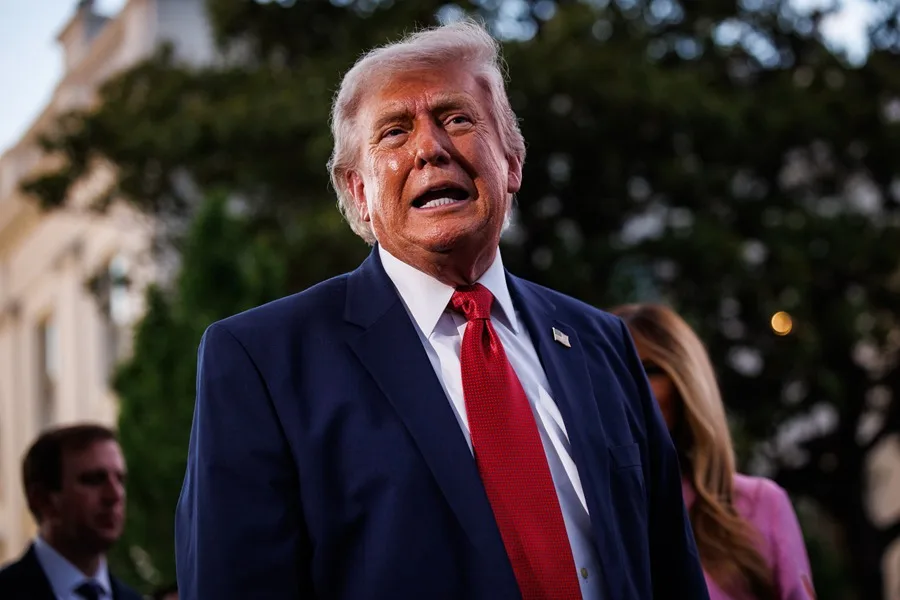
The international security landscape faces one of its most critical moments so far in 2026. The President of the United States, Donald Trump, drastically escalated the tone of his warnings toward the Islamic Republic of Iran. The American leader confirmed that he has issued direct and forceful military directives to the Pentagon’s top brass. The executive order stipulates an immediate military response in the event he suffers a fatal attack stemming from foreign conspiracies.
The American leader made these exclusive statements during an interview with American newspaper The New York Post. In the press encounter, Trump reiterated that his name has been on Tehran’s priority target lists for an extended period. The presidential instructions contemplate the deployment of a massive air offensive against the Asian nation should his death occur. The head of state emphasized that the military reprisal would reach destructive magnitudes without precedent in contemporary history.
The Executive’s forceful warning emerged in response to various press reports circulating in Washington’s political corridors. Such information suggested that Israeli intelligence had alerted American agencies to a new Iranian plot to eliminate the leader. Nevertheless, Trump himself qualified these rumors during the same conversation with the New York media outlet. The Republican leader dismissed the existence of a recent warning from the Israeli government about an imminent danger.
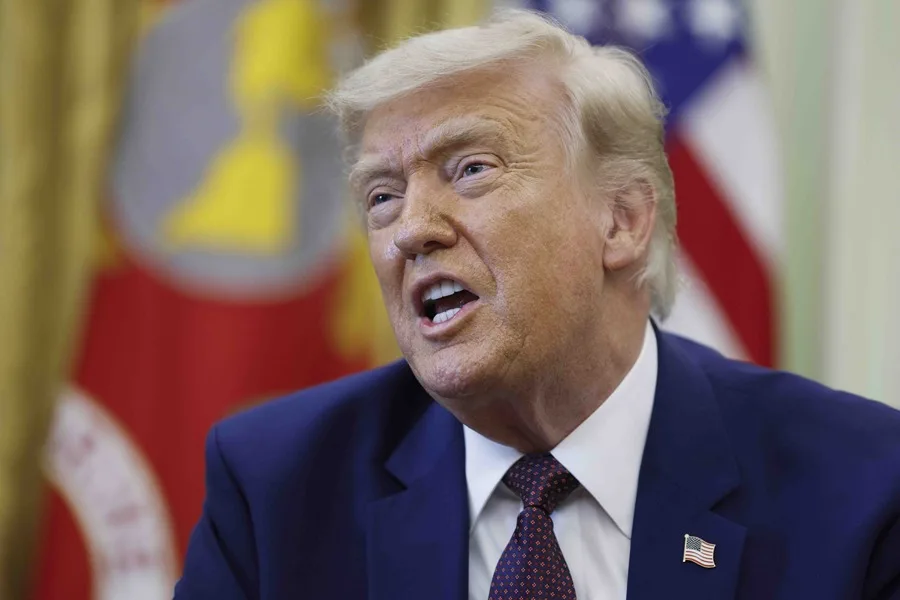
How do current threats connect to the military history between both countries?
The American leader addressed his complex personal security situation with a touch of irony before local journalists. When asked about the global political consequences of a potential assassination, Trump expressed his desire to be remembered with appreciation. The statements from the White House chief come in a context of renewed hostilities in the Middle East.
The leader had already addressed his vulnerability to Iran’s contingency plans during the recent NATO summit. The international event took place in Ankara, Turkey, where Trump directly associated Tehran’s animosity with past events. The president linked current threats to the historic elimination of Iranian General Qasem Soleimani in 2020. That tactical drone operation was executed under Trump’s direct orders during his first term.
For its part, the Islamic Republic of Iran went through a day of major institutional official mourning. Persian authorities held funeral rites for Supreme Leader Ali Khamenei, who died as a result of a previous strategic bombing. That military attack occurred on February 28 as part of a joint offensive by U.S. and Israeli armed forces. The religious ceremonies featured massive social mobilization in the main streets of the Iranian capital.
| Leaders and Key Figures | Political / Military Role | Status in Current Conflict (2026) |
| Donald Trump | President of the U.S. | Issued orders to the Pentagon for massive retaliation in case of his assassination. |
| Ali Khamenei | Former Supreme Leader of Iran | Died on February 28 due to joint bombing by U.S. and Israel. |
| Mojtaba Khamenei | Designated successor in Iran | Absent from public life since March, generating rumors about his health. |
What mystery surrounds Tehran’s power structure following military casualties?
The ceremony
Canal oficial
Únete a nuestro canal de WhatsApp
Recibe las noticias más importantes al instante, sin spam. Solo lo que importa, cuando importa.
Etiquetas

Autor
Anthony AstonitasDesarrollador de Software 12 años de experiencia
Comentarios
Inicia sesión para comentar
Es gratis y toma un minuto. Con tu cuenta también podés:
- Comentar y participar en la conversación
- Guardar notas para leer después
- Ver tu historial de lectura
- Recibir el boletín con tus temas favoritos