



Trump Approves Nuclear Deal with Saudi Arabia
The Trump administration reached a nuclear agreement with Saudi Arabia allowing the Arab kingdom to enrich uranium for civilian purposes. The 30-year pact enables U.S. companies to participate in Saudi Arabia’s nuclear program development but has sparked debate over the relaxation of international controls.

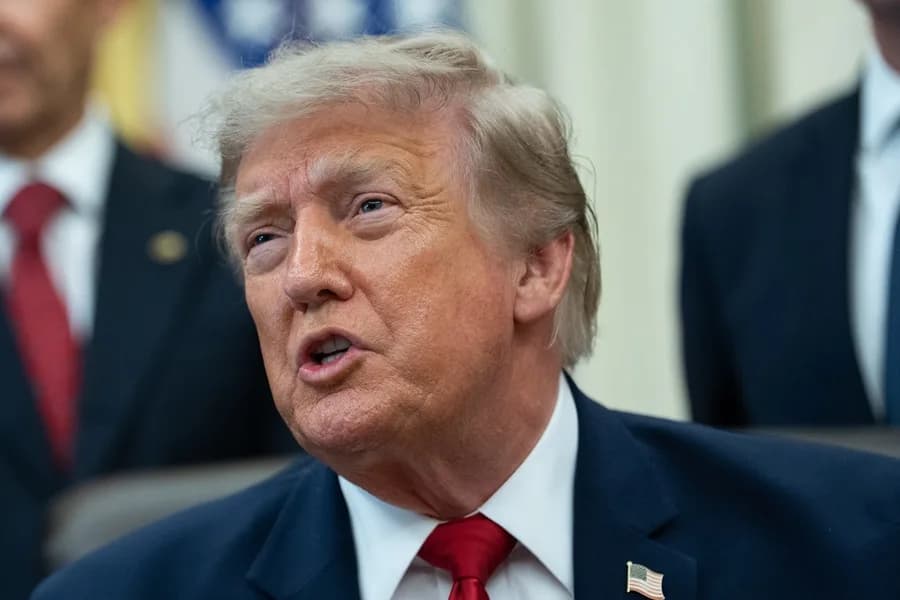
The Donald Trump administration reached a nuclear agreement with Saudi Arabia that would allow the Arab kingdom to enrich uranium for civilian purposes. The pact, expected to last 30 years, opens the door for U.S. companies to participate in the technological development of the Saudi program, but it already generates debate over the relaxation of international controls.
What Does the Nuclear Agreement Include?
The document establishes that U.S. companies will build nuclear facilities in Saudi territory, provided that a joint study determines the project is justified and commercially viable. The central idea is that Washington will provide technology and expertise without transferring sensitive knowledge, which would bring billions of dollars to the U.S. energy industry.
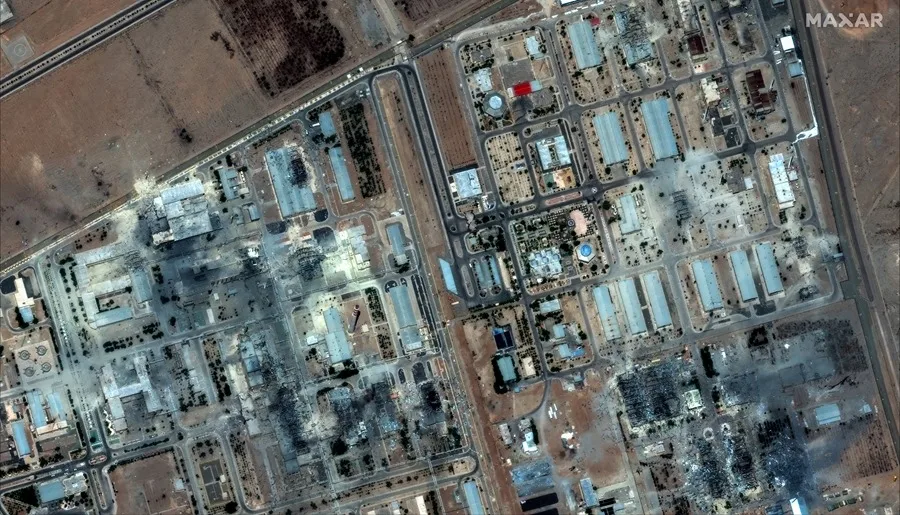
The most delicate point is access to uranium enrichment. Although the agreement prohibits Riyadh from developing its own enrichment technology or purchasing it from other countries for a decade, it does leave open the possibility in the future under certain conditions. That concession concerns experts and lawmakers, since mastering the fuel cycle is the necessary prerequisite step for developing atomic weapons.
To soften the criticism, the Trump Government will send the agreement to Congress after announcing it formally. Although its legislative approval is not a strict requirement for it to take effect, the White House faces resistance from both parties over the risk of triggering an arms race in the Middle East.
Why Doesn’t Saudi Arabia Sign the «Gold Standard»?
The agreement with Saudi Arabia does not include the so-called «gold standard» for international oversight, which is an additional protocol of the International Atomic Energy Agency (IAEA). This mechanism allows for surprise inspections and nearly unrestricted access to ensure that the nuclear program is exclusively peaceful.
Riyadh has resisted signing that protocol for years. The Saudi argument is that open inspections could provide access to sensitive locations, such as royal palaces or the holy city of Mecca. The United Arab Emirates did accept these conditions in 2009 when it closed its own pact with the United States.
Instead, Washington and Riyadh designed a bilateral safeguards mechanism. That system resembles the IAEA protocol, but without the clauses that the Saudi monarchy considered unacceptable. The Board of Governors of the nuclear agency will have to review and ratify these special terms.
What Impact Does It Have on the Middle East Crisis?
The pact raises tensions in a region already battered by conflicts. Israel, which possesses an undeclared nuclear arsenal, watches with concern as a neighboring country acquires enrichment technology. Analysts in Tel Aviv warn that this concession could push other governments to demand the same benefits.
The main background
Canal oficial
Únete a nuestro canal de WhatsApp
Recibe las noticias más importantes al instante, sin spam. Solo lo que importa, cuando importa.

Comentarios
Inicia sesión para comentar
Es gratis y toma un minuto. Con tu cuenta también podés:
- Comentar y participar en la conversación
- Guardar notas para leer después
- Ver tu historial de lectura
- Recibir el boletín con tus temas favoritos