



States Sue Trump for Requiring ICE Support to Receive Funds
A coalition of 24 states and the District of Columbia sued President Donald Trump’s administration on Thursday over new conditions imposed for accessing federal emergency funds. The states argue that requirements for immigration control cooperation and election administration changes are illegal and unconstitutional.

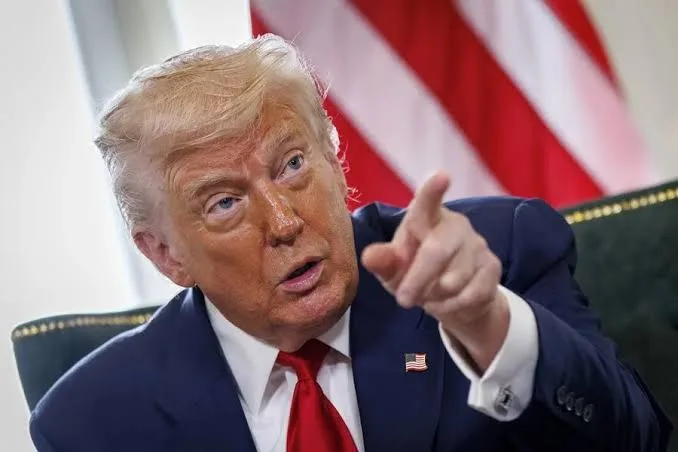
A coalition of 24 states and the District of Columbia sued the Government of President Donald Trump this Thursday. The legal action responds to new conditions imposed for accessing federal emergency funds. These resources are intended for preparation, response, and recovery from natural disasters. However, the administration now requires states to adopt certain specific policies in order to receive them. The lawsuit was filed in a federal court in Rhode Island. The document argues that the imposed conditions are illegal and unconstitutional under current legislation.
New Requirements Linked to DHS and FEMA
The latest conditions were imposed directly by the Department of Homeland Security (DHS) and the Federal Emergency Management Agency (FEMA). Both agencies control billions of dollars in grants approved by Congress. According to the lawsuit, the Trump Administration requires states to comply with specific federal mandates to receive these funds. Among them are immigration control and direct collaboration with federal agencies. The acceptance of new requirements related to state election administration is also requested. Additionally, the Government reserves the possibility of canceling the funds based on other additional criteria.
A Pattern That Repeats in the Administration
This is not the first time the White House has attempted to condition this type of emergency funds. The strategy has generated constant resistance from various states governed by Democrats. California Attorney General Rob Bonta explained this Thursday during a press conference the background of the case. He asserted that along with other state attorneys general, they had already challenged and blocked two similar attempts previously. These legal precedents strengthen the position of the plaintiff states against the new government strategy.
«The Administration Has Already Lost Similar Battles»
«The Administration has already lost similar battles in the courts, and we anticipate that this latest illegal attempt will also fail,» Bonta declared to the assembled media. The attorney general expressed confidence in the favorable outcome of this new lawsuit. «Our communities deserve better than to see their essential resources wrapped up in political games,» added the California official. Bonta leads the lawsuit alongside Illinois Attorney General Kwame Raoul. Both attorneys general represent some of the largest states within this joint legal coalition.
Newsom Questions Coercion Over Election Laws
California Governor Gavin Newsom, a Democrat, also publicly attacked the Trump administration. He warned that the American president cannot coerce the state into modifying its own election laws. This statement focused specifically on the new election administration requirements included in the federal conditions. Newsom defended state autonomy against what he considers inappropriate federal government interference. The governor’s position reflects widespread rejection among the plaintiff states toward this new government strategy.
A Broad Coalition of Plaintiff States
The lawsuit brings together a total of 24 states along with the District of Columbia. Among them are New Jersey, Rhode Island, Arizona, Colorado, Connecticut and Delaware. Hawaii, Maine, Maryland, Massachusetts, Michigan, and Minnesota also joined this joint legal action. Nevada, New Mexico, New York, North Carolina, Oregon, and Vermont complete part of the list. Virginia, Washington, Wisconsin, Kentucky, and Pennsylvania ultimately joined Illinois and California as the main drivers of the lawsuit.
The Impact of Conditioning Emergency Funds
The resources in dispute are fundamental for states to respond adequately to natural disasters. Any delay or cancellation of these funds could directly affect vulnerable communities. The plaintiff states argue that this type of conditioning represents a misuse of federal power. They consider that emergency funds should not be used as a tool of political pressure. This legal dispute adds to a long list of conflicts between Democratic states and the Trump administration on various issues.
A Conflict That Will Continue in the Courts
The outcome of this lawsuit could set an important precedent for similar future cases in other states across the country. Federal courts will have to determine whether these conditions effectively violate the U.S. Constitution. Meanwhile, emergency funds remain in legal dispute, creating uncertainty for the affected states. This situation could complicate the response to future natural disasters in different regions of the country. For now, the coalition of plaintiff states maintains its confidence in obtaining a favorable outcome, based on the legal precedents they have already achieved in similar legal battles against the federal administration.
Canal oficial
Únete a nuestro canal de WhatsApp
Recibe las noticias más importantes al instante, sin spam. Solo lo que importa, cuando importa.

Comentarios
Inicia sesión para comentar
Es gratis y toma un minuto. Con tu cuenta también podés:
- Comentar y participar en la conversación
- Guardar notas para leer después
- Ver tu historial de lectura
- Recibir el boletín con tus temas favoritos