



SNAP Recipients Maintain Eligibility Following Court Ruling
A federal judge in Oregon invalidated USDA eligibility requirements imposed under law H.R.1, ruling the exclusion period arbitrary and contrary to law. The decision protects legal permanent residents’ SNAP eligibility and grants states a 120-day grace period from sanctions.


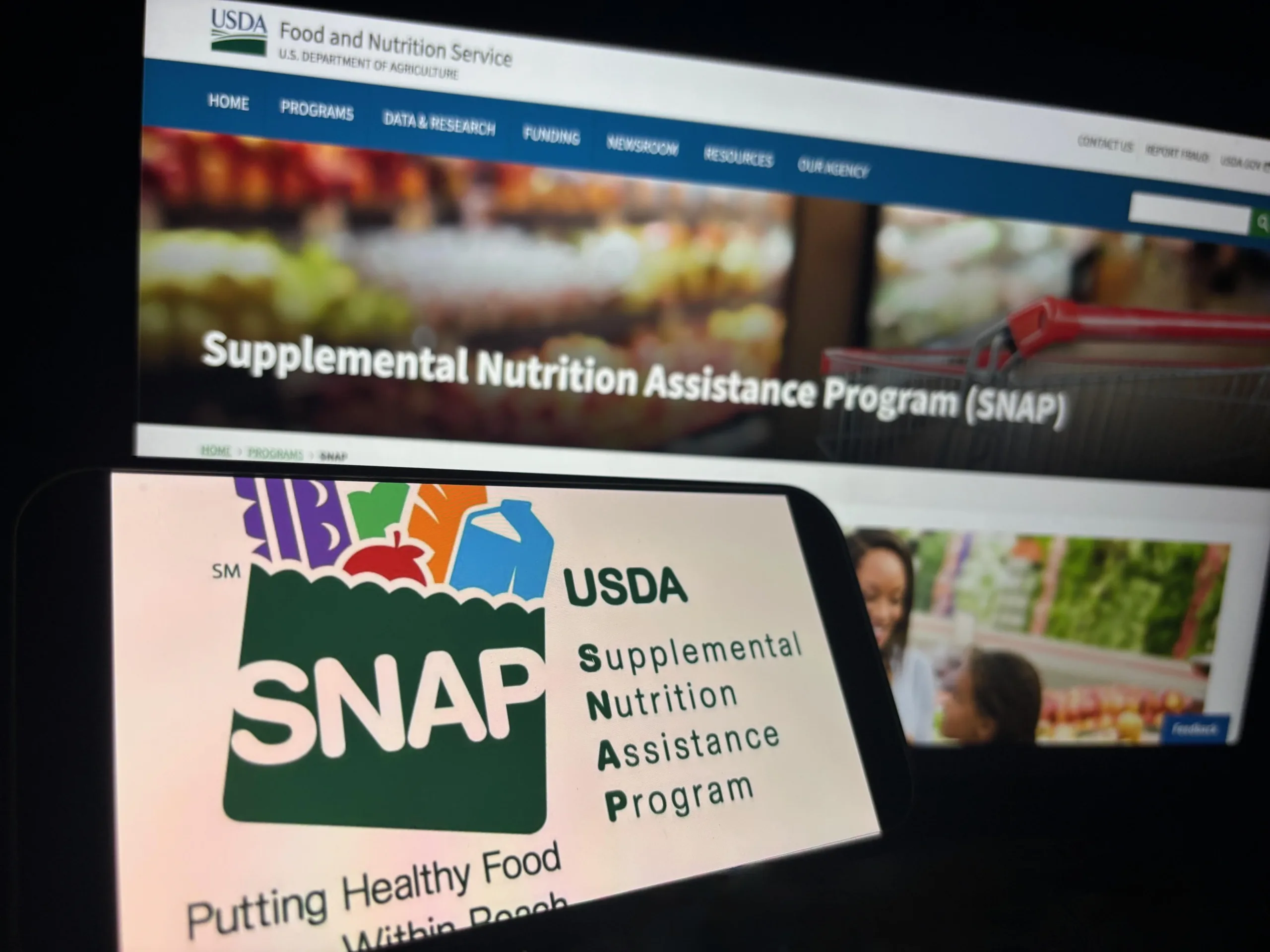
A federal judge in Oregon struck down eligibility requirements imposed by the USDA (Department of Agriculture). Those rules emerged following the passage of the law known as H.R.1. The decision represents a setback for those immigration policies.
What did the judge decide about the USDA’s rules?
The ruling, which spans 33 pages, ratifies a preliminary injunction granted in December 2025. The decision determines that the USDA’s regulatory exclusion period violates the law.
According to the judge, that measure is «arbitrary» and «capricious» under the Administrative Procedure Act. Therefore, the USDA will not be able to sanction states for errors during the transition.
Additionally, the ruling grants a grace period of 120 days to the plaintiff states. That timeframe begins once the USDA issues official compliance guidance.
During that time, states are protected against sanctions or fines for technical failures. In the ruling, the judge concluded: «The exclusion period violates the APA.»
What does this mean for legal permanent residents?
One of the most relevant points of the ruling directly benefits immigrants. The decision ratifies that legal permanent residents can receive SNAP.
The ruling’s text indicates that «legal permanent residents (LPR) are eligible for SNAP regardless of their prior status.» Therefore, the government cannot block their access to the program based on that reason.
Furthermore, the ruling clarifies that the five-year waiting period from the PWRORA law does not apply in certain cases. This includes legal permanent residents who were part of a Humanitarian Immigrant Group.
What is the origin of this case?
In late 2025, several states sued the government over the new SNAP eligibility rules. According to the lawsuit, those regulations affected thousands of legal residents in the country.
Additionally, the government imposed fines for failing to comply with an already-expired grace period. However, those official directives were issued after that deadline had passed.
Law H.R.1, signed on July 4, 2025, increased the requirements to access the program. SNAP is key for approximately 41 million people in the United States.
With that law, some immigrants with legal status were excluded from the program. This included, for example, refugees and people with approved asylum.
What changes from law H.R.1 affected beneficiaries?
The law raised work requirements for adults without dependents receiving SNAP. Previously, the requirement applied until age 54; now, until age 64.
Adults between 18 and 64 years old, capable of working, must complete 80 hours monthly of work or training. This can include formal employment, volunteering, or job training.
Homeless people, veterans, and young adults who left foster care are also not exempt. Those who fail to meet this requirement receive benefits for only three months in a three-year period.
Is this ruling final?
No, the ruling can still be appealed by the federal government. Therefore, the case could extend for more time before being resolved definitively.
In the meantime, the plaintiff states and SNAP beneficiaries remain protected by this ruling.
Canal oficial
Únete a nuestro canal de WhatsApp
Recibe las noticias más importantes al instante, sin spam. Solo lo que importa, cuando importa.
Etiquetas

Comentarios
Inicia sesión para comentar
Es gratis y toma un minuto. Con tu cuenta también podés:
- Comentar y participar en la conversación
- Guardar notas para leer después
- Ver tu historial de lectura
- Recibir el boletín con tus temas favoritos