



Republicans Betting on the Border to Win the House
Republican lawmakers are waging a tough battle to maintain control of the House of Representatives in the November 2026 elections, focusing heavily on border regions with Mexico where they hope to capitalize on reduced illegal crossings and gains among Hispanic voters.

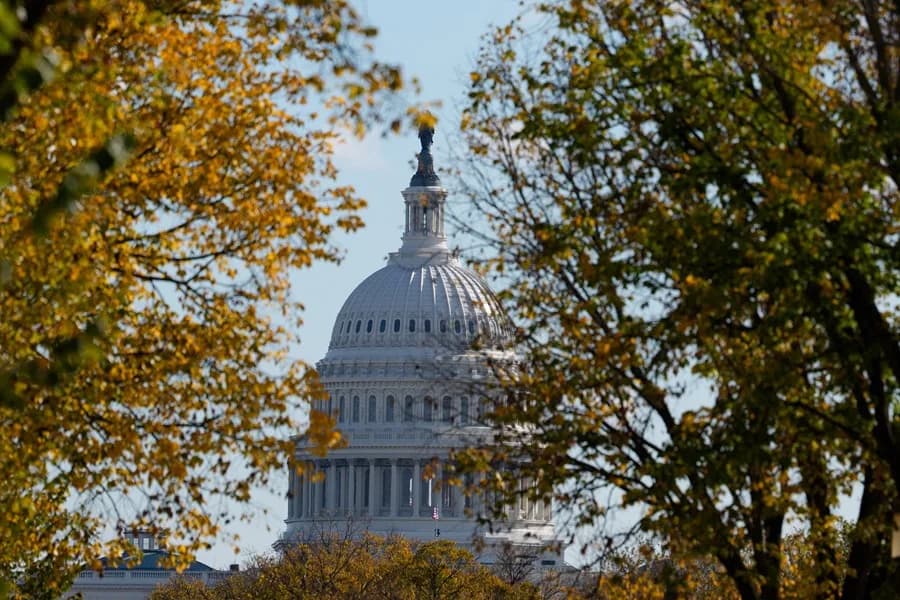
The political landscape of the United States heading into the upcoming November 2026 legislative elections presents complex challenges for the ruling party. Republican lawmakers are waging a tough battle to maintain control of the House of Representatives due to public discontent over the cost of living. Additionally, the country’s involvement in the armed conflict with Iran generates an atmosphere of economic uncertainty that weakens support for the central administration. Therefore, campaign strategies are concentrated in specific regions where the official message maintains high receptivity.
In this scenario of national uncertainty, the border region with Mexico represents the main hope for the leadership of the Republican Party. Political strategists believe that the dynamics of communities in southern Texas, Arizona, and New Mexico differ from the political climate in the rest of the country. For this reason, the National Republican Congressional Committee (NRCC) has deployed massive financial resources to secure key seats in border zones. However, the Democratic Congressional Campaign Committee (DCCC) is organizing a counteroffensive based on the economic concerns of local residents.
For electoral analysts, control of the House of Representatives during the last 2 years of Donald Trump’s administration will depend on 6 crucial districts. The redistribution of state geographic boundaries, traditionally known as redistricting, reduced the number of truly competitive zones across the territory. Consequently, previous gains achieved among Latino voters constitute the basis for optimism among candidates of the conservative coalition. Below, the geographic details of the contest and shifts in Hispanic electoral trends are examined.

Why has the southern border become the cornerstone of Republican legislative strategy?
The optimism of conservative leadership is based on the historic reduction in illegal border crossings reported during 2026. Party leaders attribute this direct achievement to the strict containment and deportation directives implemented from the White House. Representative Richard Hudson, president of the Republican campaign committee, affirmed in an exclusive interview with the CNN network the relevance of this sector. The legislator highlighted that districts with a majority of Hispanic residents offer the best opportunities for victory for his organization.
Statistics confirm that the Latino vote underwent a drastic transformation during the presidential elections held in 2024. In those elections, Donald Trump captured 46% of this electoral group’s support, surpassing the 32% obtained in 2020. However, opinion polls reflect that this support has declined due to the social impact of massive immigration service raids. A survey published by the prestigious Pew Research Center revealed a 27 percentage point drop in the administration’s approval rating.
Facing this decline in polls, the Democratic opposition argues that Republicans are making a strategic error by relying solely on superficial factors. Spokeswoman Bridget González pointed out that conservative leadership is mistaken in believing that nominating candidates with Hispanic surnames guarantees victory. For Democrats, Latino citizens are highly motivated by the cost of living crisis and inflation affecting their households. The panorama of the main contested seats on the southern border of the United States is detailed below:
| Congressional District in Dispute | Republican Party Candidate | Democratic Party Candidate | Current Condition of the Seat |
Canal oficial
Únete a nuestro canal de WhatsApp
Recibe las noticias más importantes al instante, sin spam. Solo lo que importa, cuando importa.
Etiquetas

Comentarios
Inicia sesión para comentar
Es gratis y toma un minuto. Con tu cuenta también podés:
- Comentar y participar en la conversación
- Guardar notas para leer después
- Ver tu historial de lectura
- Recibir el boletín con tus temas favoritos