



Minnesota: Judge Rejects Trump’s Lawsuit Against Sanctuary Law
A federal judge dismissed multiple lawsuits filed by the Trump administration challenging Minnesota’s sanctuary immigration policies, dealing a significant blow to the White House’s legal strategy. Judge Eric C. Tostrud ruled that the state and local laws do not prohibit federal immigration enforcement but rather regulate how state and local officials perform their duties.

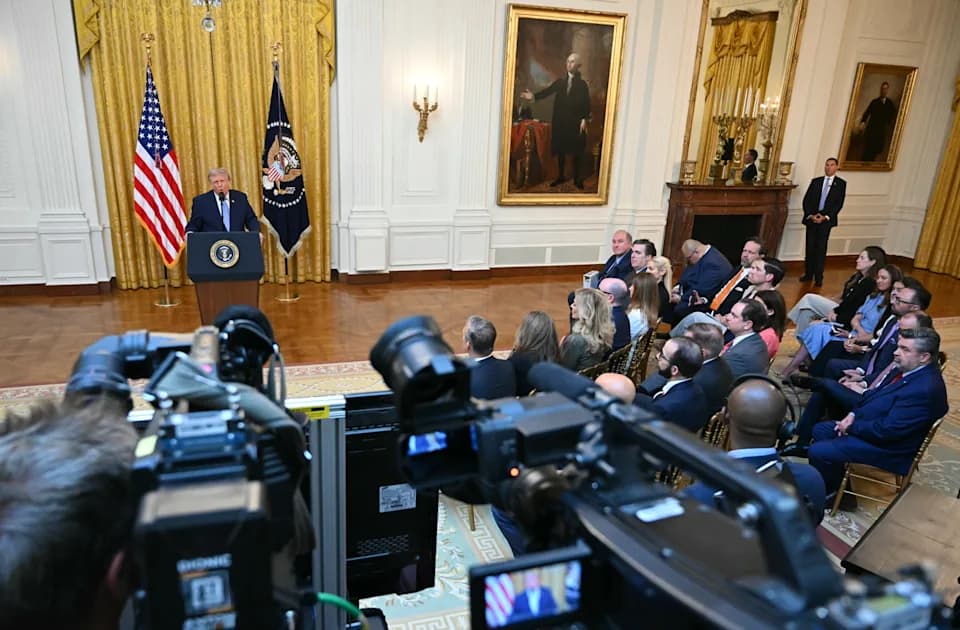
A federal judge dismissed several lawsuits filed by the Donald Trump administration on Monday. The cases challenged Minnesota’s state and local immigration policies. This decision represents a significant setback for the deportation campaign driven by the White House. The ruling directly affects the legal strategy used against sanctuary laws in various states. The case was decided by Judge Eric C. Tostrud of the federal court in Minnesota. His decision dismissed the lawsuits filed by the Department of Justice against several state entities.
Four entities sued by the Department of Justice
The legal cases were filed against the state of Minnesota, the cities of Minneapolis and Saint Paul, and Hennepin County. All of these entities had passed laws restricting police cooperation with ICE. The Department of Justice argued that these regulations deliberately obstructed the enforcement of federal immigration laws. It contended that they represented a direct challenge to the central government’s authority. However, the federal judge completely rejected this legal interpretation in his final ruling on the case.
The White House invoked the Supremacy Clause
The Trump administration had argued that sanctuary laws directly violated the Supremacy Clause of the U.S. Constitution. According to this position, local regulations «invaded» federal immigration authority. The government characterized these policies as «an active and deliberate effort» to obstruct the enforcement of federal immigration laws. This argument formed the central basis of the lawsuits filed. Nevertheless, Judge Tostrud, who was nominated by Trump himself during his first term, reached a completely different conclusion after analyzing the case.
The court ruling: «do not prohibit the federal government from acting»
In his opinion, the judge determined that Minnesota’s laws «do not prohibit the federal government or its contractors from acting.» According to Tostrud, these regulations also do not control how the federal government conducts its immigration work. «Rather, they regulate how state and local officials perform their duties,» the judge wrote in his ruling. This distinction proved decisive for the final outcome of the judicial case. The ruling establishes a clear difference between regulating the actions of local officials and directly obstructing federal immigration operations.
Context: immigration operations with fatal consequences
The Trump administration sued the state of Minnesota last September as part of its broader immigration policy. This legal strategy was framed within a series of intensified operations in various regions of the country. Precisely in Minnesota, these operations resulted in the deaths of two U.S. citizens at the hands of immigration agents. The incidents occurred earlier this year and generated widespread public controversy. These cases increased scrutiny over the methods used by immigration authorities during their operations in the state.
A legal battle extending from the first term
Since his first presidential term, Trump has consistently attacked sanctuary policies adopted in states and localities governed by Democrats. California has been one of the primary targets of this criticism. States and localities that maintain this type of policy argue specific reasons to justify their stance. They contend that cooperation with immigration authorities directly affects their local budgets. Additionally, they believe that this type of cooperation undermines public trust in the police agencies of their communities.
A pattern of legal defeats for the White House
This is not the first judicial setback the Trump administration has faced in its crusade against sanctuary laws. Previously, the government had already lost a similar lawsuit against the state of Illinois. These judicial outcomes suggest a consistent pattern in federal court decisions. Judges have shown reluctance to interpret sanctuary laws as a direct obstruction of federal authority. Despite these setbacks, the White House has maintained its legal strategy against this type of policy in multiple states across the country.
Twenty-one lawsuits filed against sanctuary laws
To date, the White House has pursued a total of 21 lawsuits against various immigrant sanctuary laws. This figure reflects the magnitude of the legal offensive undertaken by the current administration. The most recent lawsuit was filed just last July 10 against the state of Maryland. This demonstrates that the legal strategy continues to expand despite the unfavorable results obtained so far. The outcome of the Maryland case could become a new indicator of the legal viability of this government strategy.
A legal debate that will continue in courts
Judge Tostrud’s decision could set a relevant precedent for future similar cases in other states. Federal courts will continue evaluating the constitutionality of sanctuary laws in the coming months. Meanwhile, the Trump administration will have to decide whether to appeal this decision or adjust its legal strategy before the courts. The outcome of these
Canal oficial
Únete a nuestro canal de WhatsApp
Recibe las noticias más importantes al instante, sin spam. Solo lo que importa, cuando importa.

Comentarios
Inicia sesión para comentar
Es gratis y toma un minuto. Con tu cuenta también podés:
- Comentar y participar en la conversación
- Guardar notas para leer después
- Ver tu historial de lectura
- Recibir el boletín con tus temas favoritos