



Midterm Elections: Supreme Court Upholds Counting Late Mail-In Ballots
The Supreme Court upheld that states can count mail-in ballots arriving after Election Day if properly postmarked on time, blocking a Republican attempt to restrict the practice ahead of November’s midterm elections. The 5-4 decision protects existing rules in Mississippi and 13 other jurisdictions.

Anthony Astonitas
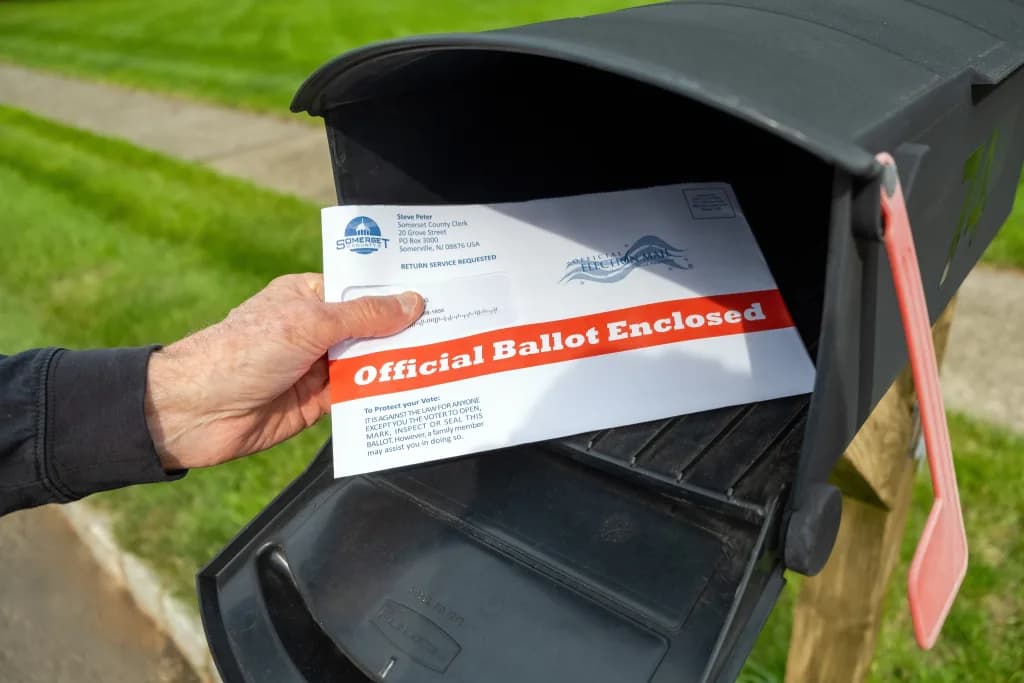
The Supreme Court upheld that states can count mail-in ballots that arrive after Election Day, as long as they are postmarked on time. The ruling blocks a Republican attempt to limit this practice before November’s midterm elections.
The 5-4 decision protects rules currently in effect in Mississippi and in 13 other jurisdictions. It also prevents states from changing their rules just months before a crucial congressional election.
What Exactly Did the Court Decide?
The opinion was written by Justice Amy Coney Barrett and received support from two more conservative justices, in addition to the three liberals. The court concluded that federal law does not require mail-in votes to arrive before the close of Election Day.
According to the decision published by the Supreme Court, Mississippi can continue counting ballots received up to five days after the election, as long as they bear a postmark from Election Day or earlier.
The rule affects states with extensive mail voting systems, including California, New York, and Texas. In all those cases, the key remains that the ballot was mailed within the legal deadline.
The National Association of Secretaries of State has noted that clarity on deadlines is essential to prevent electoral disputes. Therefore, the decision gives local offices leeway to continue with their regular schedules.
Why Was This Case So Important?
Because mail-in voting became central to many recent elections. Also because rules vary widely between states, and that fuels legal disputes and accusations of irregularity. The appeal was pushed by the Republican National Committee, which sought to ban this practice. Their argument was that federal law sets Election Day as the final deadline for counting votes.
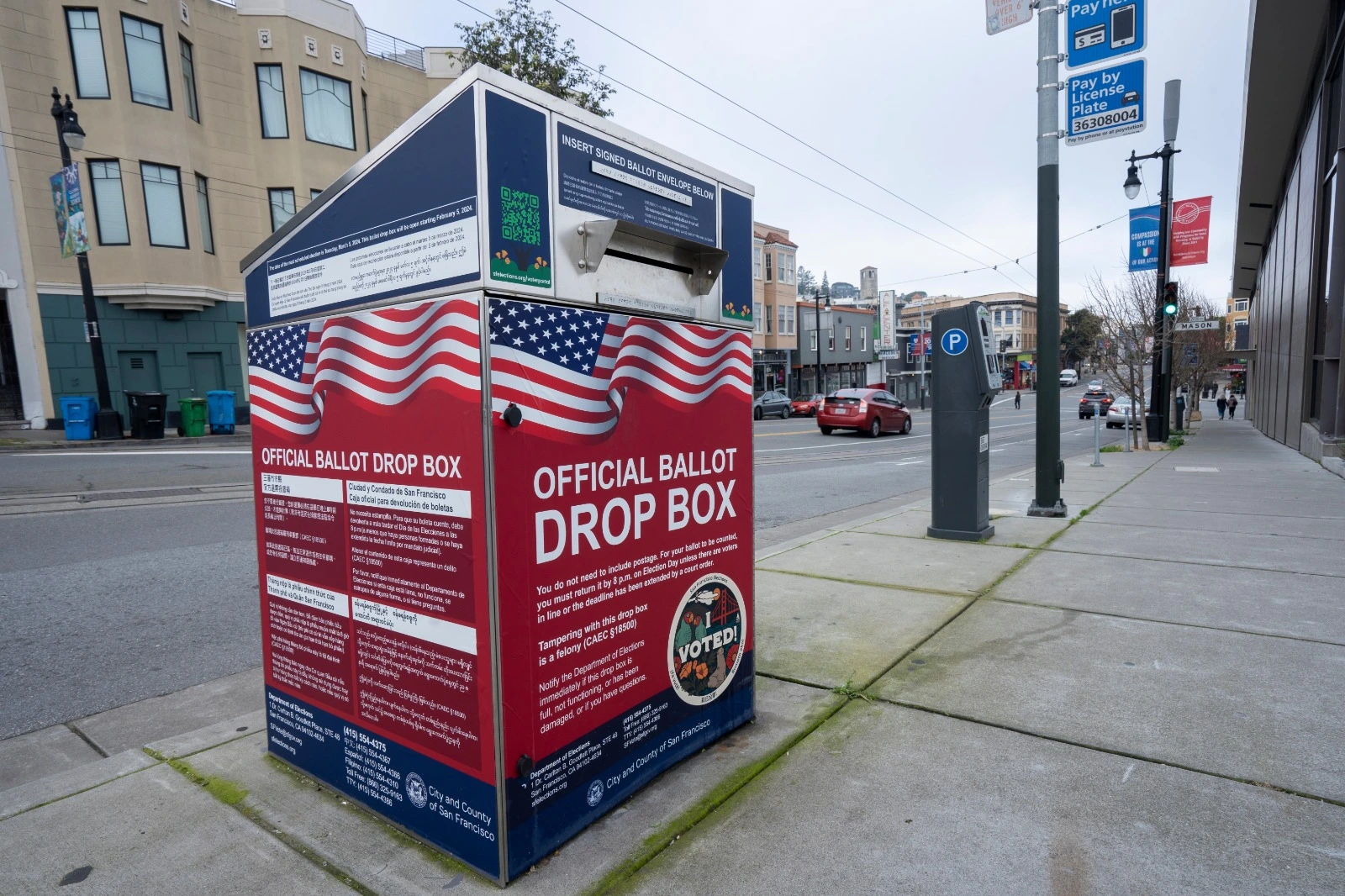
The Court rejected that interpretation. For the majority, what matters is that the vote was cast on time. If it arrives later but was legally mailed before the deadline, it remains valid. This standard is critical for states with extensive mail voting. It also protects voters who depend on postal service, such as seniors, people with reduced mobility, and workers with long shifts.
According to AP, more than half of the states and the District of Columbia allow counting ballots that arrive later, if they were mailed on time. The ruling prevents that landscape from changing overnight.
What About Trump’s Executive Order?
In parallel, a federal judge struck down key parts of an executive order
Canal oficial
Únete a nuestro canal de WhatsApp
Recibe las noticias más importantes al instante, sin spam. Solo lo que importa, cuando importa.

Autor
Anthony AstonitasDesarrollador de Software 12 años de experiencia
Comentarios
Inicia sesión para comentar
Es gratis y toma un minuto. Con tu cuenta también podés:
- Comentar y participar en la conversación
- Guardar notas para leer después
- Ver tu historial de lectura
- Recibir el boletín con tus temas favoritos