



Midterm Elections in USA: Latino and Independent Voters Gain Ground
Independent voters, including Latinos, are reaching record numbers and reshaping America’s political map, with 45% of U.S. adults identifying as politically independent in January 2026. Latino independents now represent 22% of Latino voters, outpacing Republicans at 18%, potentially deciding midterm elections in key states with significant Hispanic populations.

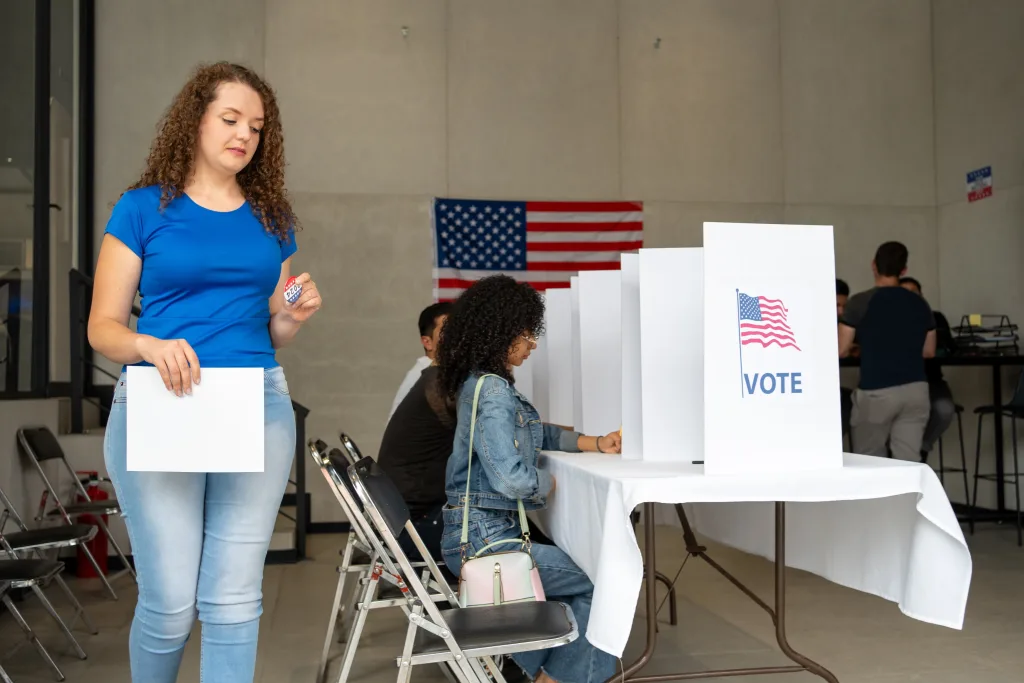
Independent voters, including Latinos, are reaching a national record and redefining the political map of the United States. Gallup reported that 45% of American adults identified as politically independent in January, surpassing the 43% recorded in 2014, 2023, and 2024. This trend marks a departure from rigid party identification.
Adam Brandon, senior advisor at the Independent Center based in Washington D.C., explained that party identification is declining. People who identify as unaffiliated or say they are independent are increasing to nearly half of the U.S. population. However, American politics has not yet caught up with this social reality.
This year, the midterm elections will see significant growth in independent candidates without party affiliation. Brandon estimated that for the first time we will see independent candidates not aligned with any party who will run and win at the federal level and for governor positions. This is the main narrative of the midterm elections.
What percentage of independent voters are there?
Voter registration records confirm the national trend marked by Gallup. 30.2% are independent, 32% Republican, and 37.8% Democrat, according to records from the Independent Voter Project. These numbers show that independents are an electoral force nearly as large as the two traditional parties.
56% of Generation Z identifies as independent, with 27% Democrat and 17% Republican, according to the Gallup report. 54% of Millennials consider themselves independent, versus 24% Democrat and 21% Republican. Far from these two groups is Generation X, where 42% identify as independent.
Among Baby Boomers, 33% are independent, while among the so-called Silent Generation, 30% identify as independent. In both cases, the figure is more than 20 percentage points lower than Generation Z. Young voters see the world with a more nuanced perspective and less divided between left and right.
How are Latino independent voters gaining ground?
Among Latino voters, the majority identify as Democrat (53%), but independents (22%) outnumber Republicans (18%), according to a new report from the research firm ThinkNow. This data could tip the November elections in key states with significant Hispanic populations.
Latino voters follow the generational trends of the U.S. population in general. It is possible to see more independents among Latinos, in addition to establishing that while immigration is a key issue in their lives, their priorities are economic, like most voters. They care about jobs, safe schools, and healthcare.
States such as Arizona, Colorado, and California have a disproportionately larger Hispanic population than the rest of the country. These are precisely the states where the greatest independent movement is observed. Independent candidates will have a significant opportunity to succeed in the House of Representatives, but also in the Montana Senate and the Michigan governorship.
Canal oficial
Únete a nuestro canal de WhatsApp
Recibe las noticias más importantes al instante, sin spam. Solo lo que importa, cuando importa.

Comentarios
Inicia sesión para comentar
Es gratis y toma un minuto. Con tu cuenta también podés:
- Comentar y participar en la conversación
- Guardar notas para leer después
- Ver tu historial de lectura
- Recibir el boletín con tus temas favoritos