



Judge Blocks Trump From Requiring Citizenship Proof to Vote
A federal judge blocked Donald Trump from requiring documentary proof of citizenship to vote, striking down much of his executive order on elections and establishing that the president cannot unilaterally redesign electoral rules. The ruling weakens Trump’s electoral strategy and reinforces that election policy authority lies with Congress and the states.

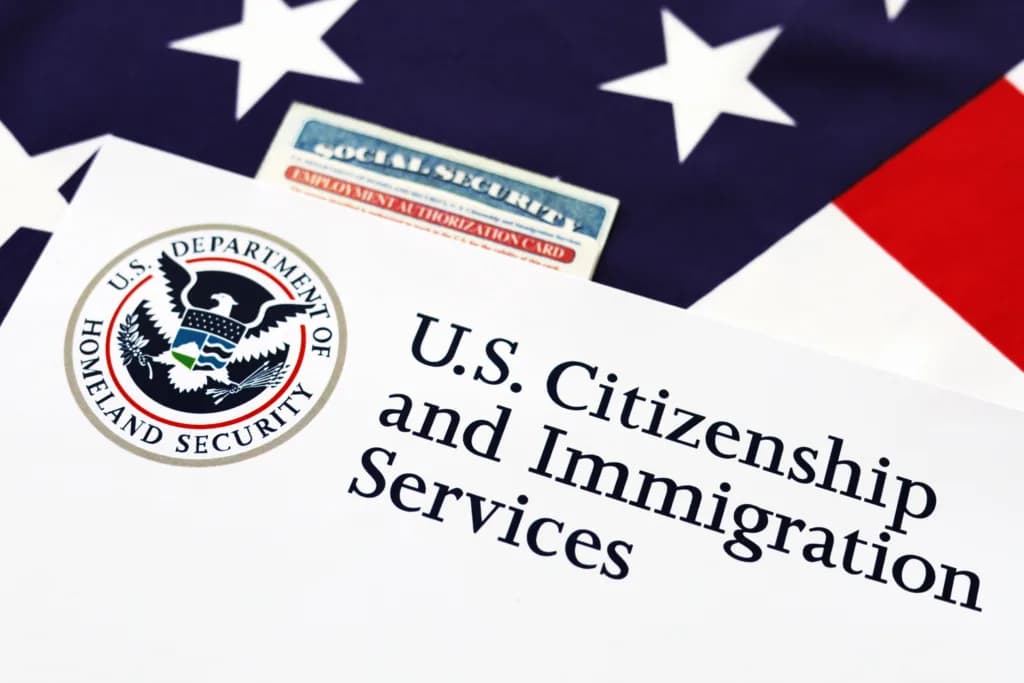
A federal judge prohibited Donald Trump from requiring documentary proof of citizenship to vote. The ruling blocks most of his executive order on elections and reinforces that the president cannot unilaterally redesign electoral rules.
The decision comes amid a broader battle over control of the voting process. It also weakens Trump‘s strategy, which now pressures Congress with his SAVE America initiative to impose that requirement by law.
What Did the Judge Decide?
Judge Denise Casper of the federal court in Boston issued a permanent injunction against that part of the executive order. According to The Associated Press, the ruling blocks the attempt to require citizenship documents when registering to vote.

Casper also rejected the White House argument. The administration contended that the lawsuit was premature because the changes had not yet been implemented. The judge responded that the Constitution leaves that matter in the hands of Congress and the states.
In her opinion, the president has no independent power over elections. That statement strikes at the heart of Trump’s strategy. The magistrate ruled that the order violated separation of powers.
The Election Assistance Commission reminds that each state administers its electoral system within constitutional limits. This framework helps explain why a presidential order cannot substitute for a law passed by Congress.
Why Does It Matter for Voters?
The ruling affects millions of people who register or update their voting information. In practice, requiring documentary proof of citizenship could add obstacles to citizens who already meet legal requirements.
USAGov indicates that documents required for registration vary by state. In many cases, state identification or a driver’s license is sufficient. For this reason, a stricter federal rule could conflict with already-established state processes.
Trump’s order also sought to prevent certain mail-in votes received after election day from being counted, even if they bore a postmark timestamp. That measure would have affected states with widely-used mail-in voting systems.
Canal oficial
Únete a nuestro canal de WhatsApp
Recibe las noticias más importantes al instante, sin spam. Solo lo que importa, cuando importa.

Comentarios
Inicia sesión para comentar
Es gratis y toma un minuto. Con tu cuenta también podés:
- Comentar y participar en la conversación
- Guardar notas para leer después
- Ver tu historial de lectura
- Recibir el boletín con tus temas favoritos